Authored by Zena le Roux via The Epoch Times(emphasis ours),
“Supporting the gut microbiome can help reduce colorectal cancer risk and may even enhance prevention and treatment,” Sachin Aryal, gut microbiome researcher at the University of Toledo, told The Epoch Times.
The microbiome has been linked to many aspects of health and has been shown to also play a key role in colorectal cancer.
The good news is that the microbiome is not fixed and that it can be influenced by everyday habits and choices.
“We’re learning that the bacteria in the gut matter more than we used to think,” Dr. Cedrek McFadden, colorectal surgeon and medical advisor to the Colorectal Cancer Alliance, told The Epoch Times.
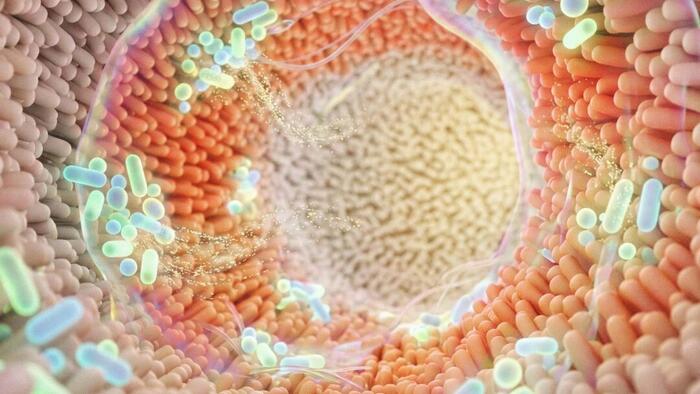
Gut bacteria are not just sitting there as bystanders. They interact directly with the lining of the colon, the immune system, and inflammatory processes over time. When the microbial balance is off—a condition called dysbiosis—some bacteria can create a low-level inflammatory state or produce substances that irritate the colon lining. Over many years, that kind of environment can contribute to cancer, McFadden said.
Because the colon is directly exposed to gut bacteria and their by-products, colorectal cancer appears to be more stronglyinfluencedby the microbiome than many other types of tumors, although the microbiome can also affect other cancers indirectly.
“It’s not that one bacterium causes cancer,” McFadden said. “It’s more about the overall balance and what the colon is being exposed to day after day.”
When dysbiosis continues, it can further damage the gut barrier—a condition sometimes referred to as “leaky gut.” The tight connections between gut cells loosen, allowing bacteria and their by-products to move deeper into the gut wall. This keeps the immune system in a constant state of activation and inflammation, Raz Abdulqadir, researcher in microbiome and colorectal cancer at Penn State College of Medicine, told The Epoch Times.
“As a result,inflammatory cells release molecules that increase oxidative stress and can damage DNA in colon cells, raising the risk of abnormal cell growth,” he said.
Source: ZeroHedge News
