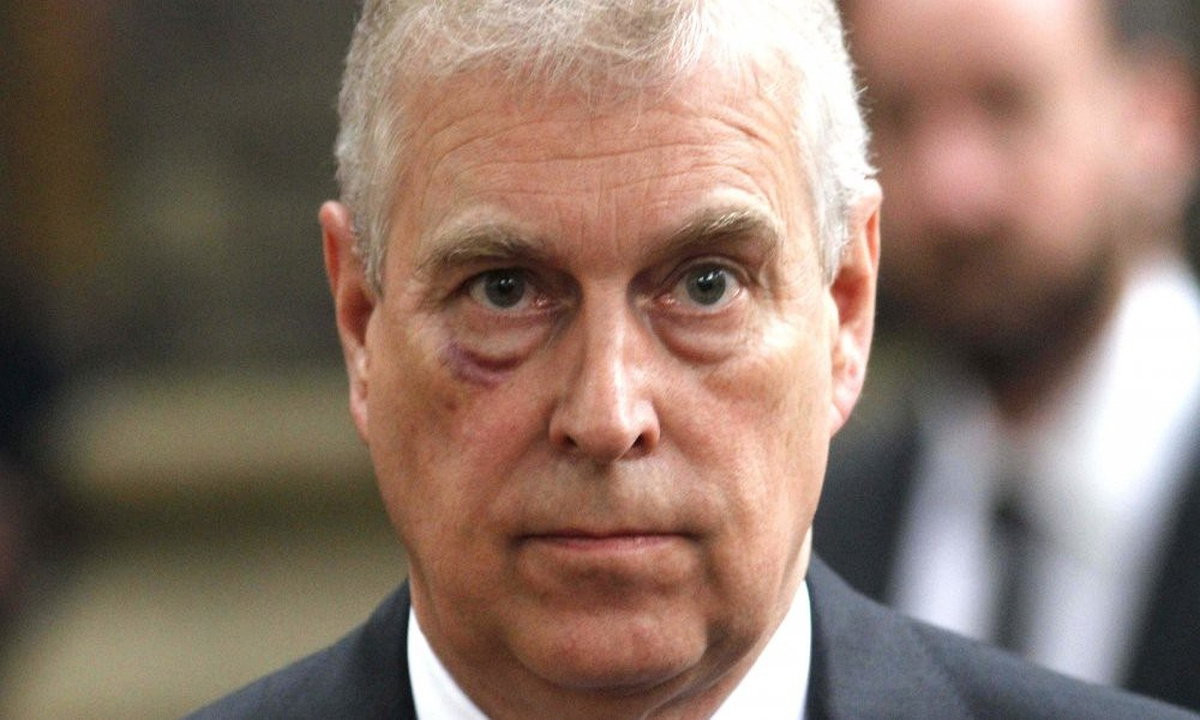
Andrew Mountbatten-Windsor, the former Duke of York, should not expect special treatment as police continue to investigate his conduct as the UK's trade envoy, a legal expert has said.
The 66-year-old, who served as the United Kingdom's special representative for international trade and investment from 2001 to 2011,was arrested on 19 February on suspicion of misconduct in public office.
The inquiry centres on allegations that heshared private travel information with convicted sex offender and disgraced financier Jeffrey Epstein, according to reports. Epstein pleaded guilty in Florida in 2008 to state offences related to procuring a minor for prostitution and solicitation, and was required to register as a sex offender, according to court reporting and subsequent reviews of the plea deal.
Andrew was questioned for around 11 hours before being released from police custody without charge. Thames Valley Police officers are continuing to search his former Windsor residence, Royal Lodge, as part of the ongoing investigation.
Speaking toFox News, legal analyst Simarjot Judge Singh said Andrew's case was likely to follow what he described as a 'sequence of standard steps' within the criminal justice process.
Singh said investigators would now focus on 'continued forensic work on seized devices and documents, further witness inquiries, possible additional interviews, and then a charging decision — often involving the [Crown Prosecution Service] in complex cases'.
He added that the 'likely outcomes are charge, release under investigation, or bail while inquiries continue', stressing that the procedure in such matters is typically governed by evidence rather than the public profile of the individual involved.
'Timelines can be lengthy where digital evidence and official materials are involved,' Singh noted, indicating that the assessment of electronic devices and official correspondence could delay any decision on whether to bring charges.
Under standard practice in England and Wales, police can release a suspect under investigation without bail conditions while inquiries continue, or seek bail with conditions if they consider it necessary to manage risk or secure attendance at future interviews.
Any decision to charge would ordinarily be taken in consultation with the Crown Prosecution Service (CPS), particularly in a politically sensitive or high-profile case.
Source: International Business Times UK