The most telling detail in Apple's Mac rumour mill right now is not a chip codename or a leaked panel spec. It is geography: New York, London, Shanghai — three cities, one March 4 date, and an invitation that pointedly calls the whole thing a 'special Apple Experience,' not an event.
Apple has invited Media to a "special Apple Experience" on March 4, 2026.This is not a regular Apple Event that can be watched by the public, however, there is a good chance Apple will announce something around that time.#AppleEventpic.twitter.com/5RzRat1dmL
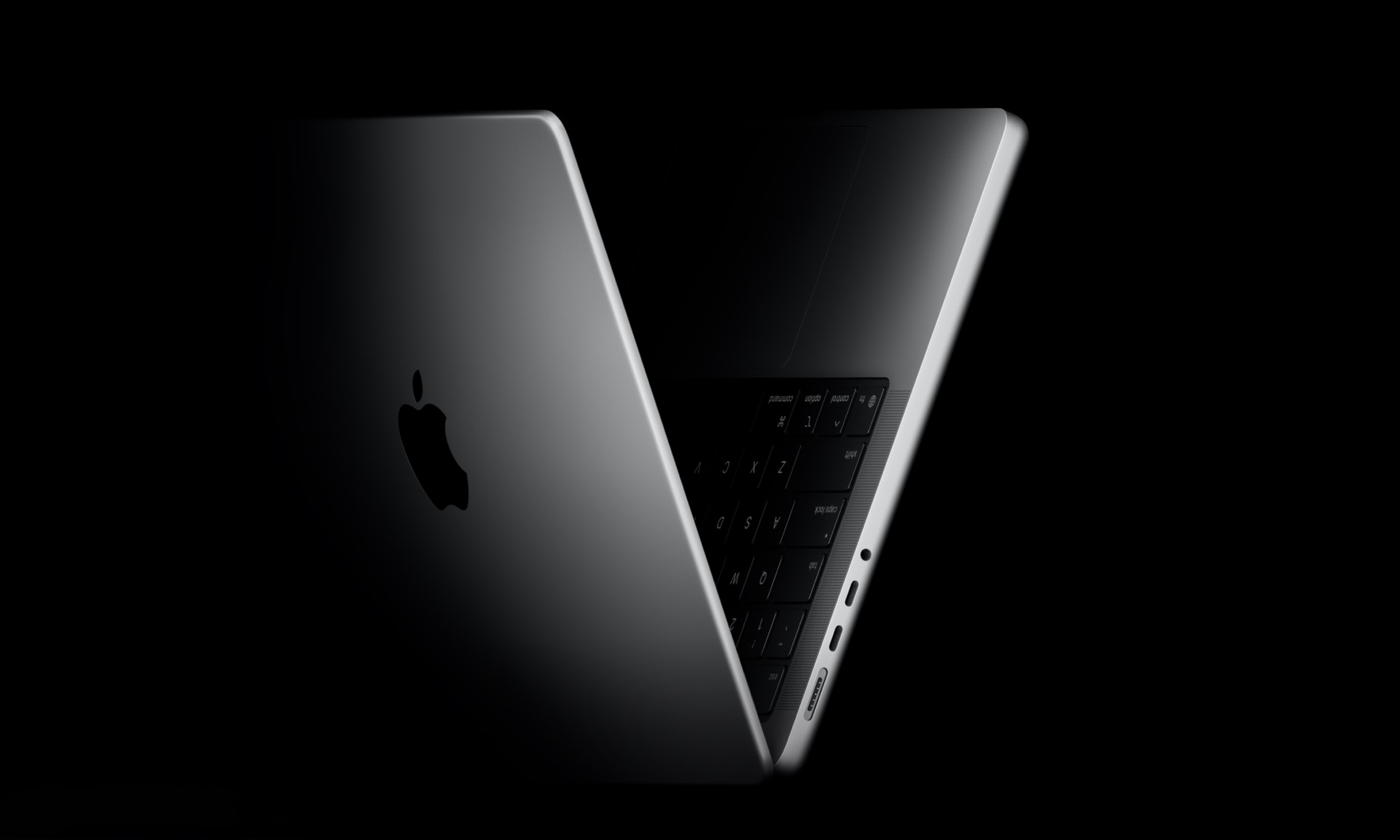
A cheaper MacBook is widely expected to headline that early-March showcase; later in 2026, the MacBook Pro line is rumored to lurch into a new era with OLED-class displays, possible touch input, and — finally — built-in cellular connectivity.
Macworld's reporting paints Apple as oddly restless: after years of treating the $999 MacBook Air as the entry point, it says the company is now developing a trulybudget MacBookthat could start as low as $599. The apparent plan is pragmatic, even a bit cheeky — use an iPhone-class chip (anA18 Pro or A19 Prois cited) and shave the machine down with a smaller display and potentially fewer USB ports.
If this happens, it is hard not to read it as Apple's blunt response to the armies of Chromebooks and midrange Windows laptops that dominate schools, tight household budgets and expense-account minimalists. And yes, that means Apple would be conceding something it hates conceding: that there is a vast world of buyers who do not care about 'Pro' anything, they just want a reliable laptop that does not feel like a compromise disguised as nostalgia.
The March 4 gatherings themselves are unusual: simultaneous, multi-city and framed more like a controlled, hands-on showcase than a classic Apple Park spectacle. London being on the list matters — Apple is effectively saying this isn't a US-only whisper campaign, it's a global product beat.
Apple's display strategy has long been a slow drip. Macworld notes that the 2021 MacBook Pro refresh introduced Liquid Retina XDR, bringing mini‑LED, HDR, ProMotion, and up to 1,000 nits of sustained full-screen brightness — still excellent, but no longer the last word.
The rumored next step is borrowed, again, from iPad logic. Macworld points to the iPad Pro's Ultra Retina XDR approach — tandem OLED tech intended to combine high brightness with color accuracy — and says it is expected to reach MacBook Pro with the M6 Pro and M6 Max generation later in 2026.
Of course, if Apple pulls OLED into the MacBook Pro, it is rarely a charity project. AppleInsider, citing Bloomberg, has described the touchscreen OLED MacBook Pro as premium and positioned for late 2026 or early 2027 — timelines that sound plausible precisely because Apple loves giving itself room to slip.
The other rumor — arguably the most overdue — is 5G in a MacBook. Macworld calls out the obvious: every iPad line has offered cellular options, while Mac users have been expected to tether, drain batteries, and pretend it's fine.
Source: International Business Times UK
