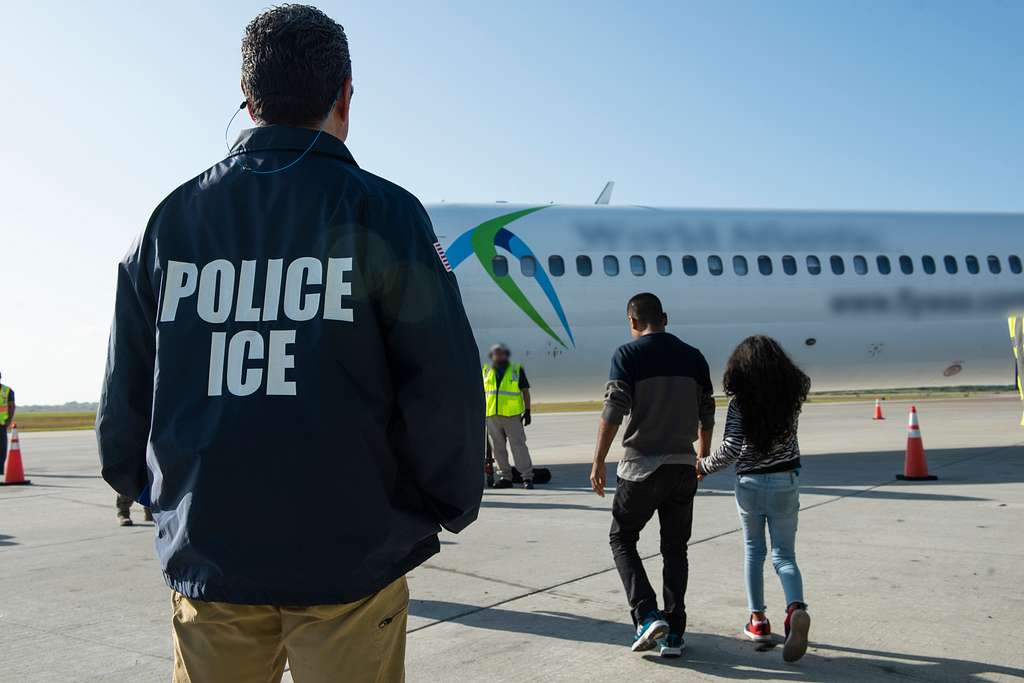
A federal judge has sharply criticised aspects of President Donald Trump's immigration enforcement tactics. This, while state governments and activists step up their opposition, thrusts US Immigration and Customs Enforcement (ICE) into the centre of national debate ahead of the 2026 election.
What began with a controversial comment from a House Democrat has grown into a complex, multi-layered dispute involving courts, local authorities, activists, and federal agencies.
On 23 February 2026, Representative Maxine Dexter, a Democrat from Oregon, grabbed headlines by comparing the Trump administration's illegal immigration crackdown to 'terrorism' during a town hall event. She also pledged that, if Democrats regain power, they would work to dismantle ICE entirely.
This comment reflects a growing willingness among some Democratic lawmakers to challenge ICE, an agency that has long been at the centre of contentious immigration debates. Dexter's remarks came at a time of heightened national tension over enforcement actions, including protests in Minnesota that followed federal operations criticised for their aggressive nature.
The judiciary has increasingly scrutinised ICE operations. Recently, a federal judge issued a scathing opinion criticising the agency for conducting arrests while wearing masks and using unmarked vehicles, describing these tactics as a 'secret-policing regime' that undermines constitutional accountability.
Judge Joseph Goodwin of the US District Court for the Southern District of West Virginia ruled that such anonymous enforcement violated basic rights and stressed that law enforcement must operate transparently.
This ruling is part of a broader judicial backlash, with courts across the country raising concerns aboutdue process and civil liberties amid aggressive interior immigration enforcement.
Opposition to ICE's actions has also been mounting at the state and local levels. Most recently,Maryland filed a lawsuit against the Trump administrationto block construction of a new ICE detention facility, citing a lack of public consultation and environmental review.
Other local authorities are exploring measures to restrict federal enforcement practices, including potential bans on masked operations, reflecting a growing trend of states asserting their authority in the face of federal immigration actions.
Public activism has been a major factor in shaping the debate. Protests and campaigns have surged across the country, often in response to controversial enforcement actions or fatalities during operations.
Source: International Business Times UK