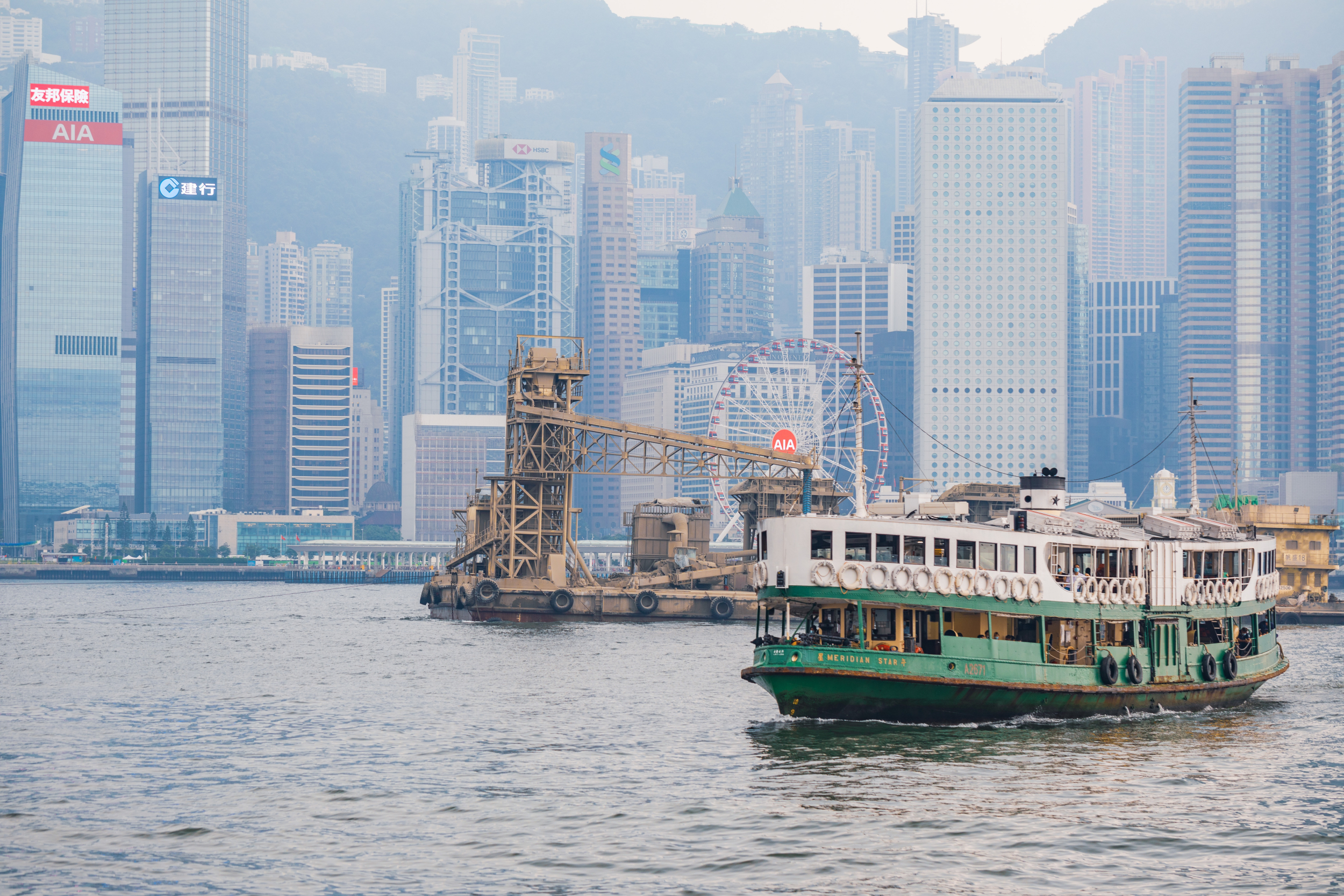
Among every nation and city on the global map, there is a never-ending, intense battle to win more businesses and subsequent fiscal gains, with the world's leading hubs rankings changing every year. While long-established powerhouses such as London and New York continue to dominate, an Asian momentum is already reshaping the leaderboard. Hong Kong, navigating a period of uncertainty since 2022, has reclaimed its place among the world's most attractive cities for businesses.
The latestKearney 2025 Global Cities Reportnow ranks Hong Kong 7th worldwide, up two positions since 2024, outranking Los Angeles and Shanghai, cementing its place alongside giants like London, which has held second place for six consecutive years.
Interestingly enough, this renewed recognition comes at the same time as Hong Kong has been recording unprecedented growth in new company formations. By the end of 2025, the city has reached an all-time high of1,557,103 registered companies, representing a net increase of 96,609 local companies compared to 2024.
Together, these figures confirm the assumption that Hong Kong commercial activity accelerated across multiple sectors, with more firms now taking the city seriously when choosing a jurisdiction to start a business. The city's allure has now risen to the pre-COVID-19 pandemic levels, with Hong Kong re-emerging as a major force in the race for global business hub leadership.
Across most parts of the world, companies are operating in an increasingly complex and unpredictable climate, with rules becoming heavier every year. The GDP growth, often perceived as one of the key metrics defining the current ease of doing business, isexpected to slow downacross many major economies. Coupled with tighter regulatory oversight, looming policy uncertainty, persistent inflation, geopolitical tensions, and other external factors, companies are facing reduced access to capital and greater complexity in doing business.
Importantly, regulatory regimes have become more demanding everywhere across the globe. Heightened compliance requirements, increasing reporting standards, and cross-border rules all made businesses' lives no easier.
At the same time, costs of doing business rose simultaneously, with taxes, interest rates, and other prices rising in tandem, significantly narrowing margins and limiting room for reinvestment, especially for small and medium enterprises (SMEs).
Within this broader global context, entrepreneurs are becoming highly selective as they seek a country or city that makes the most sense, relying less on the instinct to find the 'sweet spot'. In many cases, it all comes down to identifying a jurisdiction offering lasting stability, regulatory clarity, competitive costs, and enduring market access with minimal uncertainty.
In an era of caution and structural change, the growing attractiveness of select destinations is not an accident but a result of a major global reset, where yesterday's practical option is not always today's best choice.
Hong Kong's growing magnetism is not a matter of chance; rather, it is driven by its long-standing structural advantages that continue to resonate and attract international investors and entrepreneurs.
Source: International Business Times UK