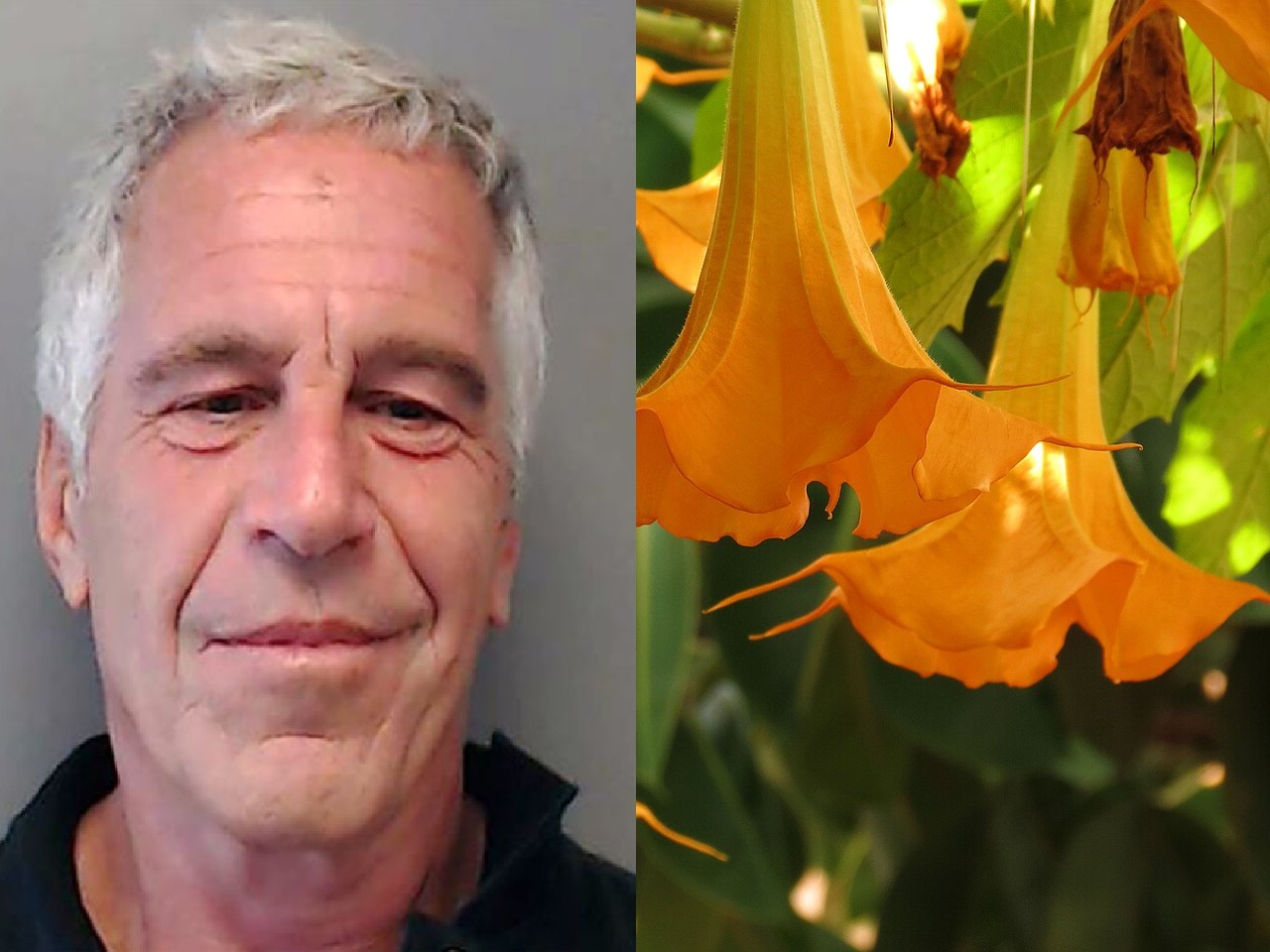
New documents show how Jeffrey Epstein was curious aboutpoisonous trumpet plantsand the insidious effects of scopolamine, raising new concerns about his potential knowledge and abuse of them.
A series of emails,according to TMZ,reveal Epstein asking questions about his 'trumpet plants at nursery.' The question is innocent enough, but not so the reference to Angel's Trumpet plants.
Angel's Trumpet plants are very toxic plants and produce a drug called scopolamine. The plants are known for potent alkaloids and the mere mention of them in Epstein's correspondence raises eyebrows.
Epstein's interest in these plants raises a bigger question: was he merely an interested gardener or a calculated collector? Media reports say there's an excellent chance he did. Such a statement, though unexceptional on the face of things, does indicate a deeper familiarity with the properties of the plant.
Scopolamine is not a new drug. It has been used in medicine for years, albeit rarely. It can treat motion sickness and nausea, but the effects on the mind are much more sinister.
According to researchers, the substance causes problems with memory and decision-making. 'In the case of overdose, cause toxic symptoms such as dry mucous membranes, tachycardia, confusion and hallucinations,' the outlet states.
The description is stark and that scopolamine in severe intoxication can lead to paralysis and even death is alarming.
The absence of the drug in the common reports of toxicity has added an extra level of risk.
Because of its lack of detection, those who wish to use it in clandestine operations can do so with reduced risk of exposure.
The email thread that led to these revelations also contains an article that Epstein received about scopolamine and where it gets its plant source. The article is an extensive examination of the pharmacology of the drug.
Source: International Business Times UK
