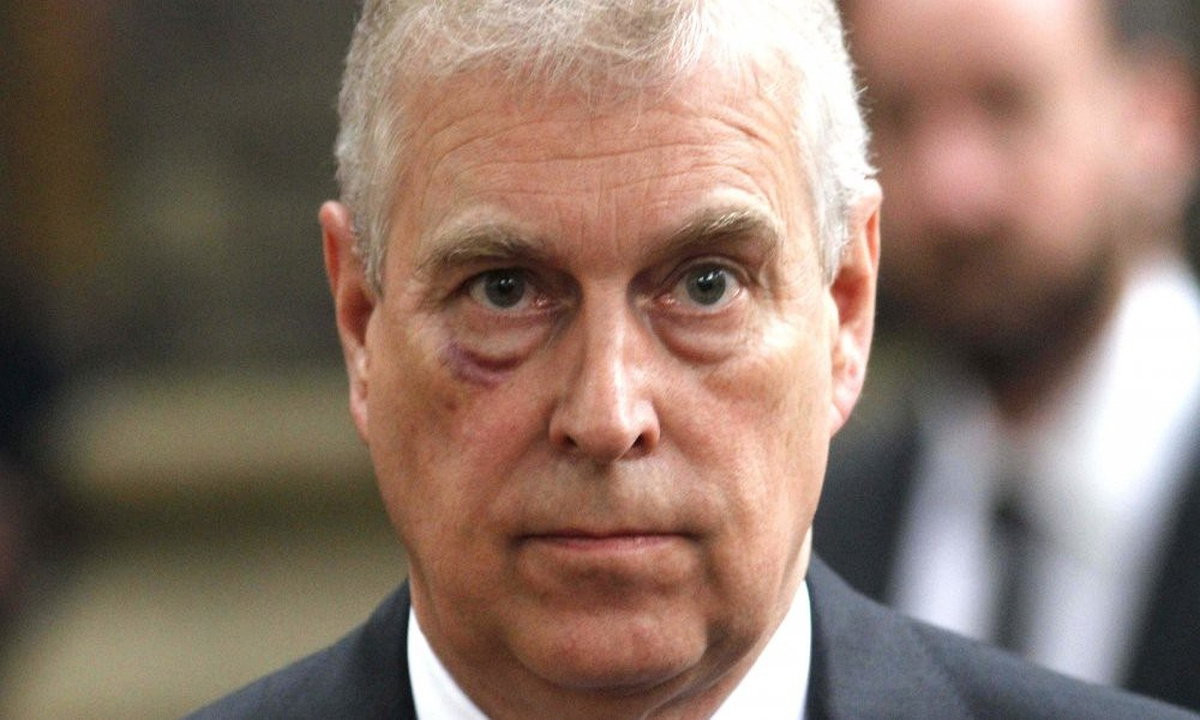
A massage receipt does not sound like the stuff of a constitutional crisis. And yet here the country stands again, peering through the keyhole of royal privilege, watching another small, grubby detail turn into a larger question about who is held to account in Britain and who, for years, simply was not.
What is known so far is this: two retired civil servants have told the BBC that Andrew Mountbatten-Windsor, while serving as the UK's trade envoy, billed taxpayers for 'massage services' and ran up travel costs that, in their account, were waved through with too little scrutiny.
The BBC says it has not verified the specific massage claim from more than 20 years ago, though it reviewed documentation confirming the whistleblowers' proximity to the relevant work at the time. This lands days afterAndrew's arrest on suspicion of misconduct in public officeand his release under investigation, meaning he has not been charged and the inquiry is ongoing.
The first whistleblower, a former trade department civil servant speaking anonymously, told the BBC he initially refused to authorize payment after seeing what the bill was for. 'I thought it was wrong,' he said. 'I'd said we mustn't pay it, but we ended up paying it anyway.'
He also offered a bitter, practical regret, the kind that will resonate with anyone who has ever been overruled by someone more senior and more confident. 'I can't say it would have stopped him, but we should have flagged that something was wrong,' he said, reflecting on what he now describes as a missed chance to force scrutiny earlier.
A second source, described by the BBC as a former senior Whitehall official with oversight of finances in the area, said he saw similar expenses on Andrew's trips and had 'absolutely no doubt' about their authenticity.
He described being shocked by what he considered excessive flights, unreasonable hotel rooms, and costs for Andrew's entourage, adding, 'I couldn't believe it. It was like it wasn't real money. They weren't spending any of their own money.'
Andrew's role as trade envoy ran from 2001 to 2011, according to the BBC report, and it was unpaid while still supported by civil servants and taxpayer funding for overseas travel. The Department for Business and Trade did not challenge the claim about his time as envoy when asked, the BBC reported, but it referred to the ongoing police investigation.
The timing is toxic. Andrew's arrest, linked to an investigation into misconduct in public office, has already pushed the monarchy into a posture of tight-lipped co-operation and marked distance.
King Charles III issued a statement saying he had learned 'with the deepest concern' of the news, stressing 'the full, fair and proper process' and adding, 'Let me state clearly: the law must take its course.'
Source: International Business Times UK
