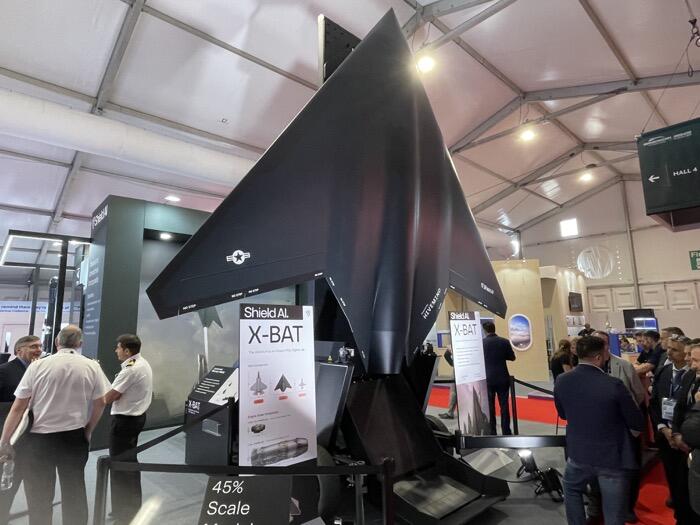
The Farnborough International Airshow is coming to a close in the UK, marking the end of one of the aerospace and defense industry's top gatherings. Institutional research desks have had boots on the ground, tracking commercial-aircraft orders, defense procurement and other industry trends.
A team of Citi analysts led by John Godyn attended Farnborough earlier this week and reported back to clients Thursday morning.
Their findings pointed to accelerating missile demand and a wave of new aircraft orders that could fuel a stronger and more robust growth cycle for aerospace and defense companies.
Godyn highlighted the event's key takeaways, giving clients a clearer picture of the aerospace and defense industries heading into fall and 2027:
1) Aftermarket channel checks across multiple companies extend recent strength.
We spoke with a wide range of aftermarket exposed companies including engine manufacturers, parts/component manufacturers, MROs, and aircraft lessors. Consistently, across all meetings, companies expressed the view that the key themes driving aftermarket continue including: (1) low retirement rates, (2) high lease renewals and tight secondary market trends for AC/engines, (3) strong demand for lift from global airline customers, (4) capacity constrained MROs, and (5) no impact from the conflict in the Middle-East. Given how strong recent trends have been, companies did caution that mean reversion to long term growth rates, which GE described as LDD revenue growth and many non-engine aftermarket players described as HSD revenue growth, was inevitable. We view the read-through as clearly positive across multiple stocks in our aftermarket coverage (GE/