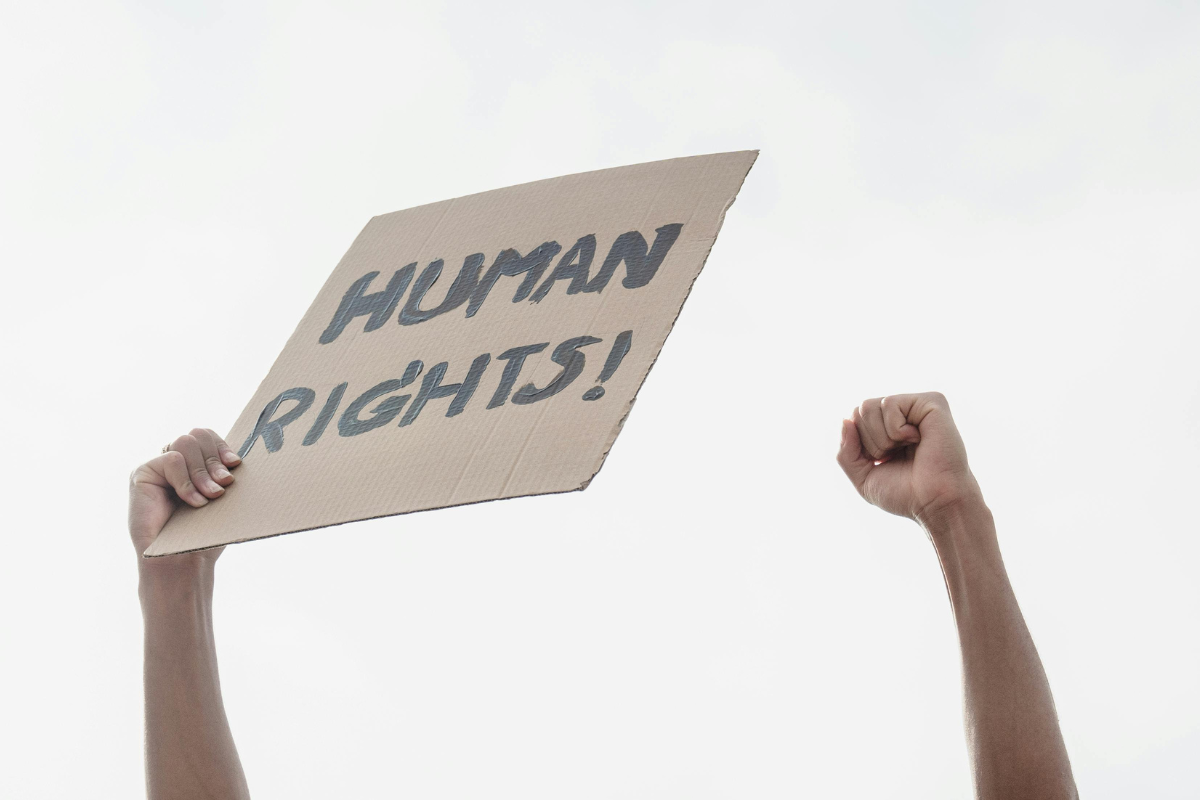
Mexico's President Claudia Sheinbaum has rejected calls for an all-out military offensive against drug cartels, emphasising that it would violate human rights and fall outside legal bounds. This position, articulated amid escalating violence after the killing ofJalisco New Generation Cartel leader Nemesio Oseguera Cervantes, known as El Mencho, has sparked debate on whether prioritising rights over total victory is the right path.
Sheinbaum's stance reflects a continuation of her predecessor's 'hugs not bullets' approach, but with selective aggressive actions, as US pressures mount.
Sheinbaum inherited a human rights crisis rooted in extreme violence by organised crime groups and widespread abuse by state agents with near total impunity. Over115,000 peopleare considered missing as of September 2024,most since 2006when the war on drugs intensified. The national homicide rate stood at 24.9 per 100,000 in 2023, with two-thirds of killings linked to organised crime.
Mexico's security policies have evolved since the 2006 declaration of war on drugs under Felipe Calderón, which saw military deployment and a surge in violence. Homicides skyrocketed, and enforced disappearances became rampant, with over half a million people killed or disappeared, and nearly5,700 clandestine gravesuncovered. Under Andrés Manuel López Obrador from 2018 to 2024, the policy shifted to 'hugs not bullets,' aiming to address root causes like poverty rather than confrontation, though military roles expanded in civilian tasks.
Sheinbaum has maintained this framework but authorised targeted operations, such as the raid that killed El Mencho, usingcomplementary US intelligence. Recent constitutional changes have entrenched military involvement in policing, raising concerns about civilian oversight.
Advocates argue that rejecting an all-out war safeguards human rights and prevents the abuses seen in past militarised efforts. The UN Working Group on Arbitrary Detention noted that 'arbitrary detention remainsa widespread practice in Mexico and is too often the catalyst for ill-treatment, torture, enforced disappearance and arbitrary executions.'
Heavy-handed tactics under Calderón contributed to spikes in homicides and rights violations, fuelling public distrust. By focusing on law-based approaches, Sheinbaum's government aims to strengthen judicial reforms and enhance forensic capabilities. Rights groups like Human Rights Watch highlight military abuses persist with impunity, and welcome prioritising civilian oversight.
'Returning to the war against the narco is not an option. First, because it is outside the framework of the law,' Sheinbaum said in anInstagram reel. This strategy could reduce long-term violence by addressing socioeconomic factors.
A post shared by WorldInLast24Hrs (@worldinlast24hrs)
Critics contend that prioritising human rights allows cartels to operate with impunity, exacerbating violence. Thekilling of El Menchohas triggered clashes, with gunmen torching vehicles and blocking highways in states. US President Donald Trump has pushed for a £1.1 trillion(approximately $1.5 trillion) military budgetfor 2027 and suggested land strikes on cartels.
Source: International Business Times UK
