The Senate Commerce Committee advanced the bill unanimously. Its chairman voted yes and then accused a Detroit automaker of writing part of it to remove a German competitor.
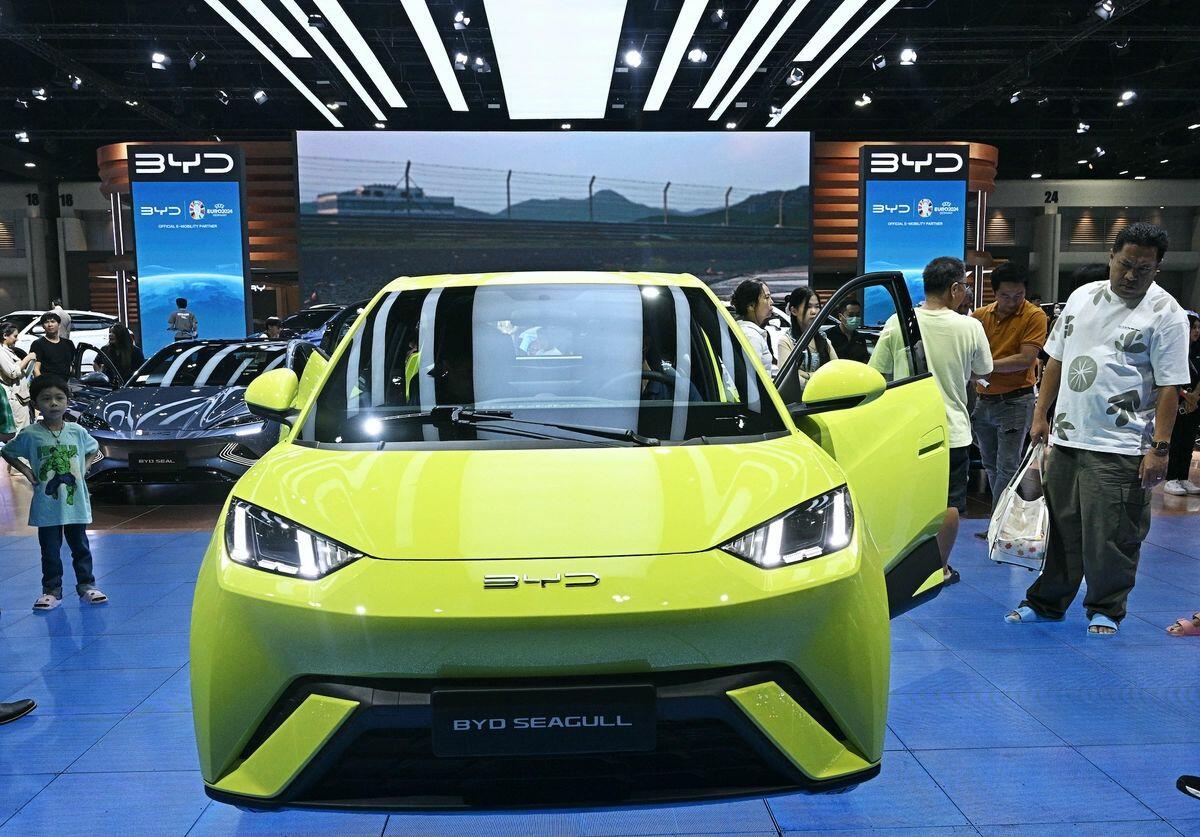
People look at a BYD Seagull car by Chinese electric vehicle (EV) manufacturer BYD Auto at the Bangkok International Motor Show in Nonthaburi on March 27, 2024. Lillian Suwanrumpha /AFP via Getty ImagesThe Senate Commerce Committee unanimously advanced the Connected Vehicle Security Act of 2026 on July 22, codifying into law a Biden-era executive order that barred Chinese and Russian automakers from selling passenger vehicles in the United States. The bill is sponsored by Sens. Bernie Moreno (R-OH) and Elissa Slotkin (D-MI), a Republican and a Democrat from two states that build cars. The vote was bipartisan and the margin was total, while the disagreement was about who benefits.
Committee chairman Ted Cruz (R-TX), who supports the bill, told the hearing that General Motors had been pushing for one of its ownership provisions in order to get Mercedes-Benz out of the American market and make its own Cadillac brand more competitive. He said flatly that "we would never consider" banning Mercedes-Benz sales in the United States, and that he would push to change the provision.
GM disputes the characterization. The company said the legislation isn't about any individual automaker and that it "supports policies that protect and strengthen American manufacturing and the global competitiveness o