Authored by Matthew Vadum via The Epoch Times,
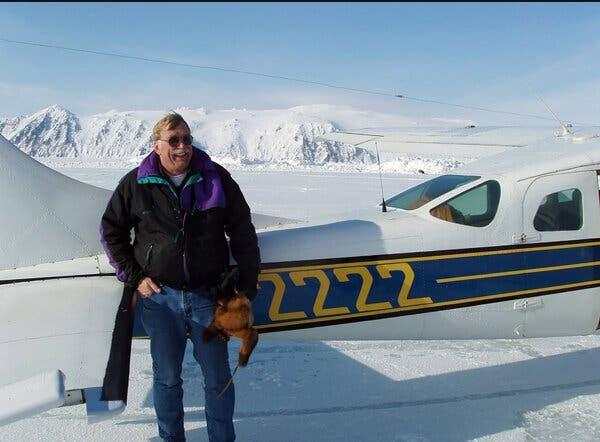
The U.S. Supreme Court on July 20 agreed to hear the appeal of an Alaska pilot whose small airplane was seized for attempting to haul beer into a so-called dry jurisdiction where alcohol is banned.
The court’s decision in Jouppi v. Alaska took the form of an unsigned order. No justices dissented. The court did not explain its decision.
The aircraft was subject to a legal process known as civil asset forfeiture, under which property, including a vehicle, that was used to commit a crime is deemed an instrument of the crime and can be seized.
Civil libertarians and those subject to asset forfeitures arising from criminal convictions—in addition to cases in which a person is merely suspected of a crime—have long complained that the practice can be arbitrary and excessive.
The petitioner, bush pilot Ken Jouppi, argues that Alaska’s plan to forfeit his 1969 Cessna after he unknowingly in 2012 carried beer stowed in a passenger’s luggage to Beaver, a village that bans beverage alcohol, violates the Eighth Amendment’s prohibition against excessive fines. The state temporarily seized the plane, valued at about $95,000, but it was later returned to him pending the final disposition of the case.
Jouppi said he was familiar with Alaska’s dry village system and that he would not int