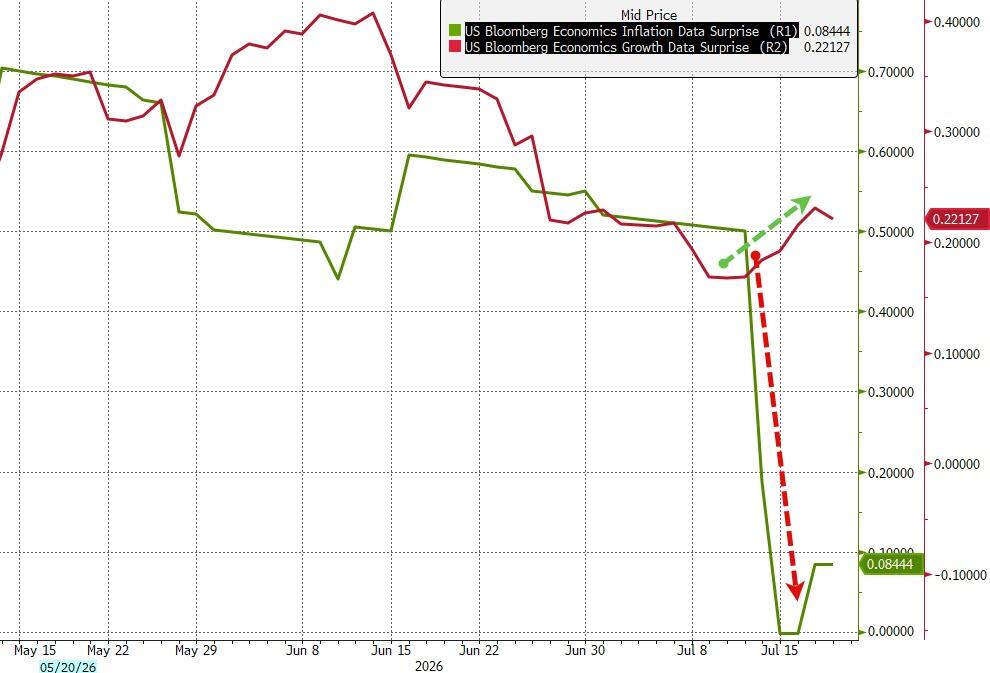
The latest U.S. inflation report and jobs data do not justify another interest rate increase. Additionally, June data show that inflation is slowing down, especially in the core CPI measure that is most closely watched by monetary authorities, while ongoing tightening is stopping the labor market from reaching its full potential.
Hiking rates while maintaining elevated liquidity harms families and small businesses and perpetuates the very factors that drive inflation, including rising money supply and government spending.
Keeping rates above the neutral level has cost the U.S. economy nearly one million jobs, as small and medium-sized enterprises (SMEs) find it increasingly difficult to access credit and face prohibitively high borrowing costs. For investors, a 25-basis-point increase may seem insignificant, but for small businesses, it often means either no access to credit or excessively expensive borrowing rates. In the U.S., the average cost of debt for SMEs typically ranges from 6% to 12% APR, making it extremely difficult to hire new employees.
A further rate hike under these conditions would suggest that the central bank is reacting to past fears rather than future evidence, risking an unnecessary slowdown just as the disinflation process becomes visible in the data.
The June Consumer Price Index report delivered a clear positive surprise relative to consensus estimates. Headline CPI fell by 0.4% month-over-month, and the annual rate decelerated to 3.5%. More importantly for monetary policy, core CPI, whi