An extraordinary moment at the2026 BAFTA Film Awardshas ignited an urgent global conversation about disability, race, media responsibility and public understanding of neurological conditions, turning a night of celebration into a catalyst for uncomfortable but necessary debate. What began as a glittering showcase of cinema at the Royal Festival Hall in London abruptly shifted tone when a single, shocking outburst on air forced viewers, broadcasters and industry figures alike to confront how we respond to words that are both deeply harmful and neurologically involuntary.
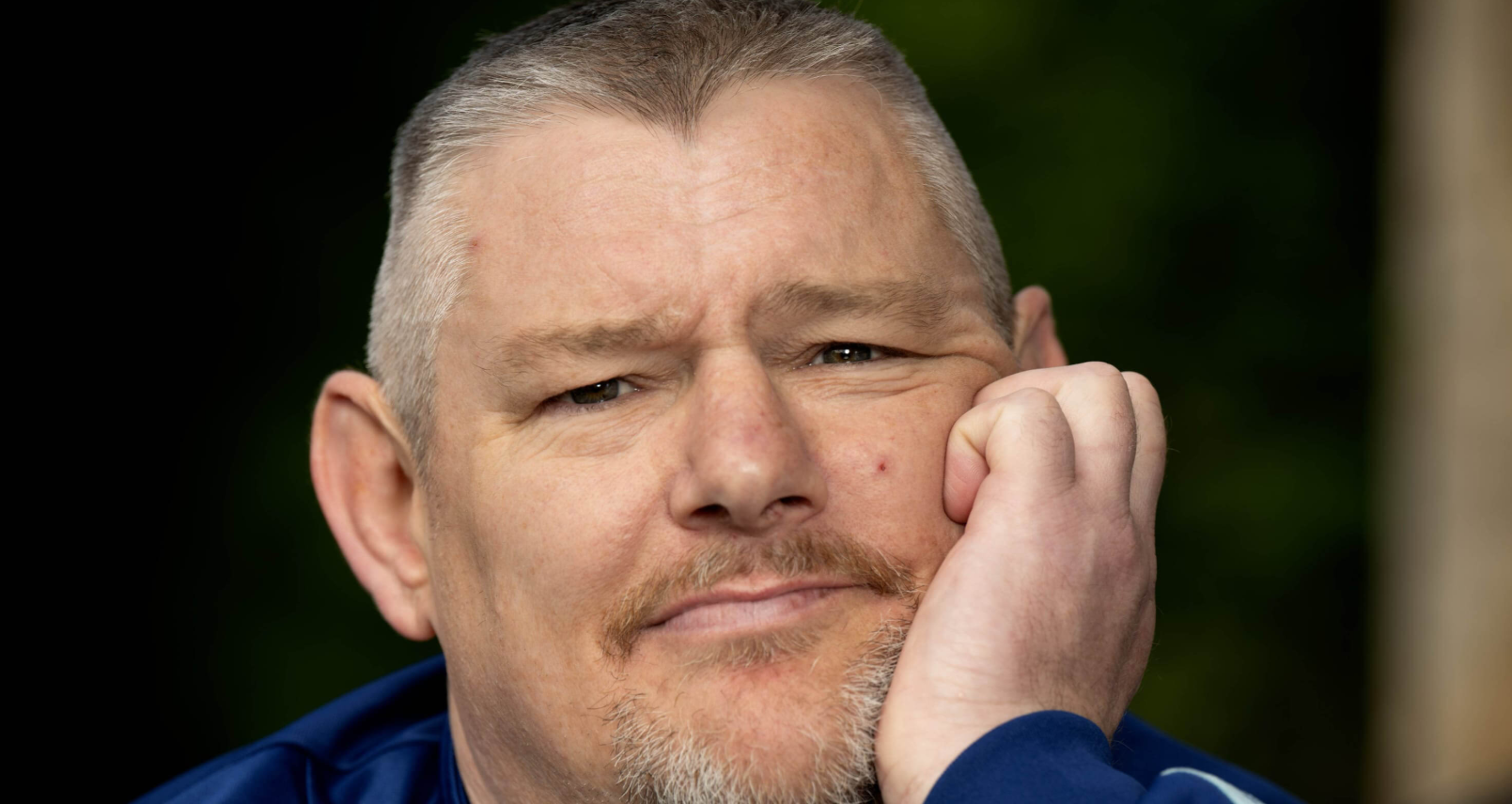
John Davidson, a Scottish campaigner whose life inspired the critically acclaimed film I Swear, was thrust into the centre of controversy when he involuntarily uttered a racial slur during Sunday night's ceremony while actors Michael B. Jordan and Delroy Lindo were presenting an award. The exchange, rooted in symptoms of Tourette's syndrome, reverberated far beyond the Royal Festival Hall in London, sparking intense debate about representation, empathy and media practices.
At the centre of the controversy was an involuntary vocal tic by Davidson, a recognised advocate for Tourette's syndrome awareness and the subject of the 2025 biographical film I Swear. During the presentation of the Best Visual Effects award, an N-word was audible from Davidson's seat as Jordan and Lindo stood onstage. Because the BAFTA ceremony was broadcast on a two-hour delay by theBBC, the offensive language was included in the televised programme and on BBC iPlayer before the footage was removed following swift public backlash.
Once the moment made it onto screens, criticism was vocal and widespread. Several prominent actors, including Jamie Foxx and Wendell Pierce, publicly condemned the incident on social media, with Foxx describing the outburst as 'unacceptable' and Pierce calling for fuller apologies to the presenters rather than statements about intent or context.
BAFTA host Alan Cumming addressed the audience during the ceremony, highlighting that Davidson's outbursts stemmed from involuntary tics associated with Tourette's syndrome and that the audience had been informed of his condition beforehand. Nevertheless, many viewers at home did not receive that context before the offensive language aired.
It’s infuriating that the first reaction wasn’t complete and full throatted apologies to Delroy Lindo and Michael B. Jordan. The insult to them takes priority. It doesn’t matter the reasoning for the racist slur.https://t.co/oqFj9SdoST
Tourette's syndrome is a neurological disorder marked by sudden, repetitive motor and vocal tics, which in some cases can include coprolalia, the involuntary utterance of socially inappropriate words. Only a minority of people with Tourette's experience this form of vocal tic, and such outbursts are not deliberate expressions of personal views or intent.
John Davidson, now in his mid-50s, developed symptoms in his early teens and has spent decades advocating for awareness and understanding of Tourette's. He first drew public attention in the BBC documentary
Tourette's syndrome is a neurological disorder marked by sudden, repetitive motor and vocal tics, which in some cases can include coprolalia, the involuntary utterance of socially inappropriate words. Only a minority of people with Tourette's experience this form of vocal tic, and such outbursts are not deliberate expressions of personal views or intent.
John Davidson, now in his mid-50s, developed symptoms in his early teens and has spent decades advocating for awareness and understanding of Tourette's. He first drew public attention in the BBC documentaryJohn's Not Madin 1989, which followed his life at a time when the condition was poorly understood. Later documentaries continued to revisit his story, and in 2019 he was awarded an MBE for his work raising awareness and support for those with the condition.
Source: International Business Times UK