Military generals tend to be much more realistic about the potential negative consequences of going to war, as well as difficulties and challenges, over and against the often more hawkish policy-makers.
Currently, Pentagon generals appear to be belatedly speaking up, as Washington beats the drums of war on Iran. The Walls Street Journalreports Monday, "The Pentagon is raising concerns to President Trump about an extended military campaign against Iran,advising that war plans being considered carry risks including U.S. and allied casualties, depleted air defenses and an overtaxed force."
Of course, also not too distant in the collective memory of top brass is the disastrous 2003 Iraq invasion, which led to two decade long extremely difficult and bloody occupation and quagmire.
The Bush administration had essentially said it would be a cake walk, with then-US Vice President Dick Cheney famously telling NBC's Meet the Press in March 2003: "I think things have gotten so bad inside Iraq, from the standpoint of the Iraqi people, my belief is we will, in fact,be greeted as liberators."
Some remnant Neocons, who of course never learn their lesson - such as Senator Lindsey Graham - are currently trying to a paint a similar picture with Iran in 2026. Graham and even some within the Trump administration are arguing for full regime change.
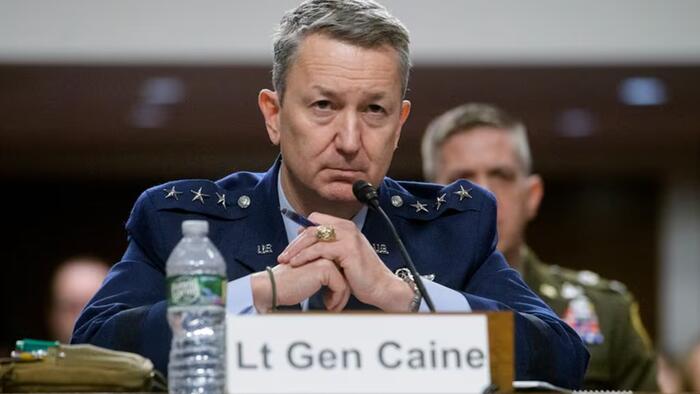
Removing the Ayatollah wouldmore than likely require a ground invasion. But there will be significant hurdles with even just an air war, and it's no less than thechairman of the Joint Chiefs of Staff Gen. Dan Caineissuing these dire warnings. According to a paraphrase andoutlineof what's being freshly reported byWSJ:
1) Caine warned that the war plans under consideration carry a high risk ofsignificant American and allied casualties.
2) He cautioned that a multi-day campaignwould exhaust air-defense munitionsand other limited-supply items, which are critical for protecting regional partners like Israel if Iran retaliates.
3) An intensive operation against Irancould deplete stockpiles to a level that would complicate U.S. readiness for a potential future conflict with China.
4) He described the potential campaign as one that could"stretch the military thin"and leave forces "overtaxed".
Source: ZeroHedge News
