Authored by former CIA officer Larry Johnson
During the 12-day war in June 2025, Iranian missiles and drones struggled against sophisticated Israeli and American electronic warfare. GPS jamming and spoofing repeatedly disrupted their guidance systems, limiting their effectiveness during the intense 12-day conflict. Fast-forward to early 2026, and the battlefield dynamics had shifted dramatically. Iran’s precision strikes began threading through advanced air defenses, hitting high-value targets across the Gulf with surprising accuracy.
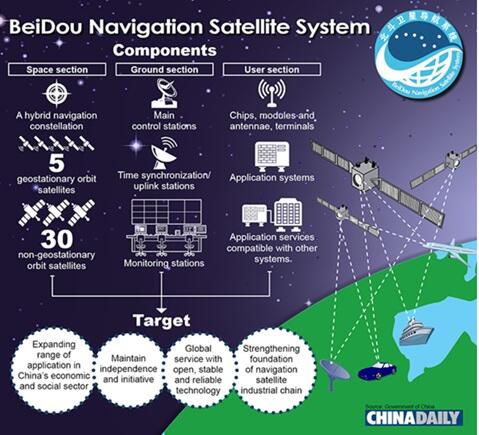
Intelligence analysts pointed to one key factor: Iran had ditched GPS for China’s Beidou satellite navigation system.
The US unwittingly provided the spark that ignited China’s quest for the Beidou. The story begins in 1993 when a single Chinese container ship, the Yinhe, sailing to Iran, the vessel was accused by the CIA of carrying chemicals for weapons production.
Middle Eastern ports, under pressure from the US, refused entry and the ship was stranded in the Indian Ocean. The US not only pressured allies but reportedly disabled the ship's GPS access, forcing it to drop anchor for weeks. Inspections in Saudi Arabia eventually cleared the vessel, but China received no apology or compensation.
This humiliation—losing navigation mid-ocean due to reliance on a foreign-controlled system—became a pivotal lesson for Beijing. It accelerated development of an independent satellite navigation network: Beidou
« Back to The Culture War