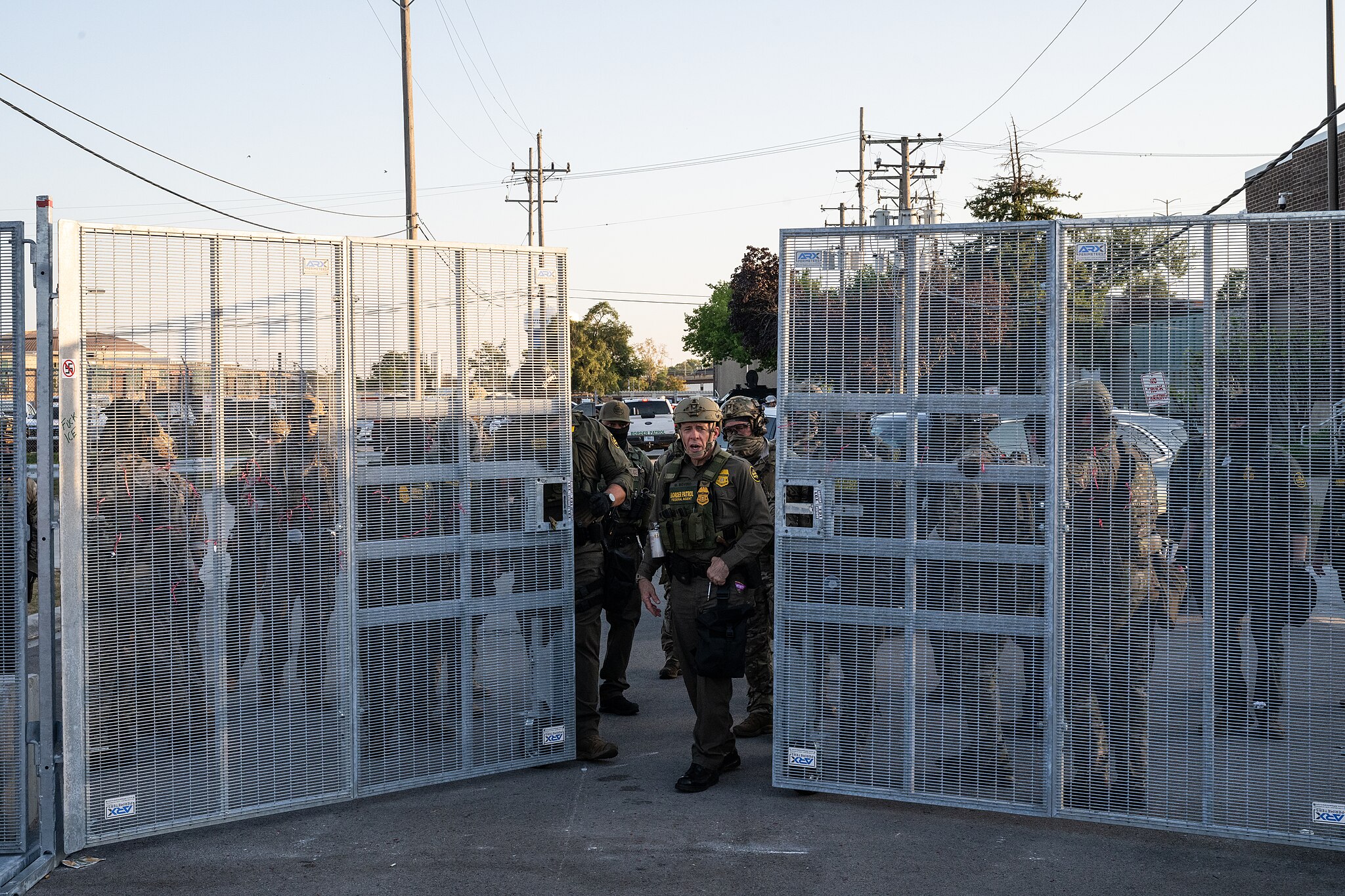
A former detainee's five-month confinement in U.S. Immigration and Customs Enforcement detention offers a rare, unfiltered look inside a system where civil custody can feel indistinguishable from punishment, and where even basic human needs are routinely put at risk.
For nearly half a year, a man identified only as Financial_Sale9336 on Reddit was held by ICE after being arrested at his mailbox following a landlord dispute, spending time in two separate detention facilities while fighting for his immigration case. He lost his job, missed a semester of university, became homeless, and endured serious deterioration in his physical and mental health during confinement.
His is not an isolated experience.Detailed court filings, lawsuits, leaked videos, and testimony from former detaineespaint a picture of conditions that frequently strain legal standards and public expectations of humane treatment in civil custody.
According to the Reddit AMA, detainees were housed in units described as 'pods', with 10 to 35 people sharing space that included basic beds, bathroom facilities, a table and a television in the better-maintained centres. Yet those amenities stood in stark contrast to the conditions in many of the facilities where detainees are actually held, particularly when they are classified as criminal rather than civil detainees.
Food, according to the former detainee, was 'horrible' and just enough to 'keep you alive', with many forced to rely on commissary purchases that came with steep mark-ups. International calls to family members were possible but costly, at around $2 per minute, placing additional financial strain on individuals already stripped of their livelihoods.
Medical care inside detention was inconsistent. The detainee reported interruptions to his crucial Crohn's-disease medication and significant withdrawal from psychiatric prescriptions, exacerbating depression and anxiety. He said efforts to obtain proper treatment were routinely delayed or ignored.
These lived experiences echo findings from litigation and advocacy groups. Class-action lawsuits and filings around facilities such as 26 Federal Plaza in Manhattan and ICE field offices in San Francisco describe cold, overcrowded cells with metal benches, no beds, and temperatures so low detainees likened conditions to a 'freezer'.
Legal complaints against ICE have highlighted how holding cells, often intended for short processing stays, are being used to detain people for days or weeks without proper oversight, legal access or basic sanitation.
Legal battles have grown over these conditions. In one federal case, detainees at a Manhattan facility exposed by secret video footage were granted a temporary order by a judge to improve conditions, including provision of bedding, hygiene supplies, clean cells and timely attorney access.
Aviral video from the Baltimore ICE facilityshowed dozens of detainees crowded into a bare cell without beds or showers, with at least one voice captured pleading in Spanish about not having washed in 10 days. Lawyers involved in a federal lawsuit labelled the conditions unconstitutional, arguing that facilities designed for brief processing were routinely being used as long-term holding sites.
Source: International Business Times UK
