By Stefan Koopman, senior macro strategist at Rabobank
To Govern Is To Choose
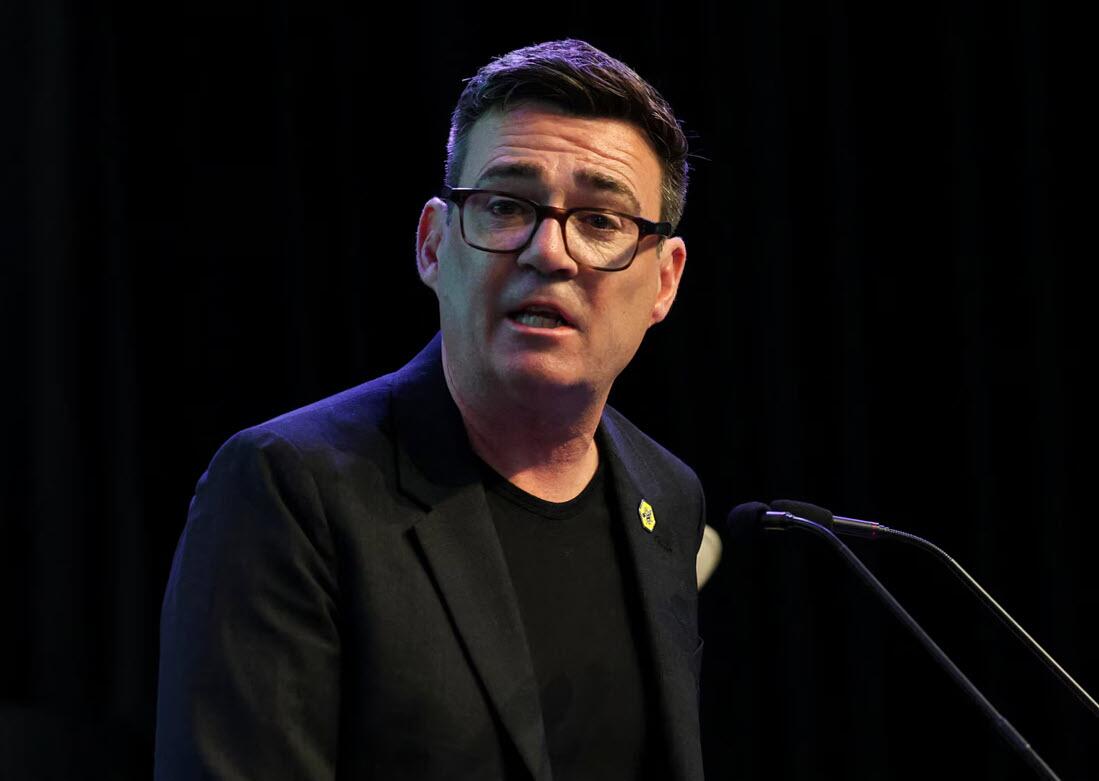
Today, Andy Burnham will formally be confirmed as Labour leader. Barring any last-minute surprises, he will become prime minister on Monday. The UK will then have had seven prime ministers in a decade, with five taking office without a general election: May in 2016, Johnson in 2019, Truss and Sunak in 2022, and now Burnham in 2026.
We have often used these mid-term transfers to make the point that Brexit is like a monster devouring its babies. While we do think that this analogy is becoming increasingly stretched ten years after the vote, Brexit remains an important part of the UK’s story. It has contributed to weak productivity growth, subdued gains in real incomes and stagnant living standards, despite the explicit promise of sunlit uplands. The result is even more disappointment than before, and a never-ending search for a messiah who promises to restore rising prosperity.
The macroeconomic backdrop helps explain why this search keeps ending in disappointment. The UK's problem increasingly appears to be one of supply rather than demand. In our forecasts for 2024-29, consumption growth never exceeds a paltry 1.2% per year, while per capita spending is broadly flat. Yet inflation remains above target in five of those six years. Weak demand alongside persistent inflation points at persistent supply-side constraints.
This leaves Burnham facing a dilemma that has trapped much of British politics over the past decade. He inherits high public debt, elevated borrowing costs and weak growth, while demands on the state continue to rise from defence