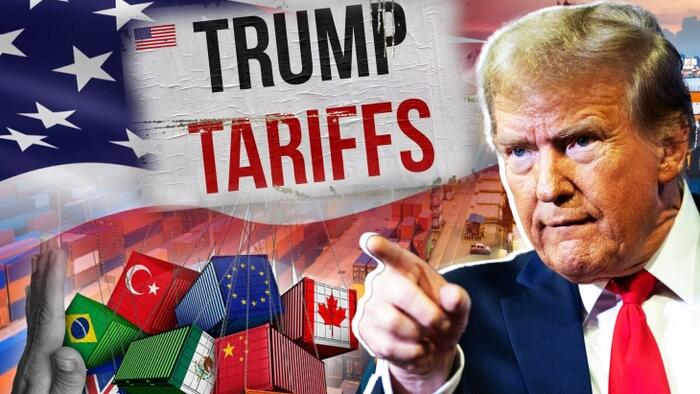
The market consensus reaction to the Supreme Court ruling on the Liberation Day tariffs exaggerates the negatives and ignores the options of the Trump administration.
Markets are overreacting to headlines about a $175–200 billion tariff refund financial hole. However, the Supreme Court ruling opens a long, narrow, and manageable process, not an imminent fiscal crisis.
In the days after the Supreme Court struck down the Trump Liberation Day tariffs,many sell-side analysts turned a complex legal ruling into a simple story, stating that Washington would soon have to repay up to $200 billion.Risk premiums in Treasuries ticked higher, gold and silver soared and some commentators warned about a looming refund shock for the U.S. budget that would make government debt soar.
Could the Supreme Court ruling imply that the Treasury is required to repay every dollar collected since these tariffs were introduced? The reality is far more complex.
The US administration has many options to maintain its trade policy.
The Supreme Court does not rule illegal any of the agreed-upon trade deals nor the tariff mechanisms. The Biden, Obama, Bush, and Clinton administrations have all implemented tariffs in the past. Furthermore, if any country decided to reject the deals that have been signed, which is unlikely, the administration can use Section 122 of the 1974 Trade Act to impose 10% tariffs for 150 days, which is what has been announced this week. This subsection allows tariffs or import surcharges when there is a balance‑of‑payments-related emergency. Furthermore, Section 338 of the 1930 Tariff Act allows tariffs as high as 50% on countries that discriminate against U.S. commerce, while Section 232 uses Commerce Department investigations to impose duties on specific products, and Section 301 targets countries and sectors after USTR investigations into unreasonable practices.
All administrations have used these mechanisms in the past. In fact, Biden kept all the tariffs that the first Trump administration imposed.
When we look at the Supreme Court decision, it is more about how tariffs were announced, not the mechanics of trade litigation and tariffs.
The risk of a repayment of collected tariffs exists, but the timeline is long, the effective amount is likely much smaller than $200 billion, and the U.S. economy can easily absorb it.In fact, the outcome of the Supreme Court decision may be no change at all in the existing trade deals.
The mainstream consensus has written extensively complaining about Trump’s tariffs. However, I have read nothing about the EU’s CBAM (Carbon Border Adjustment Mechanism) system, which is a massive tariff scheme designed to only go up in price. The CBAM is the most protectionist scheme seen in global trade in years, hidden under the “carbon” excuse to impose a monster tax system.
Source: ZeroHedge News
