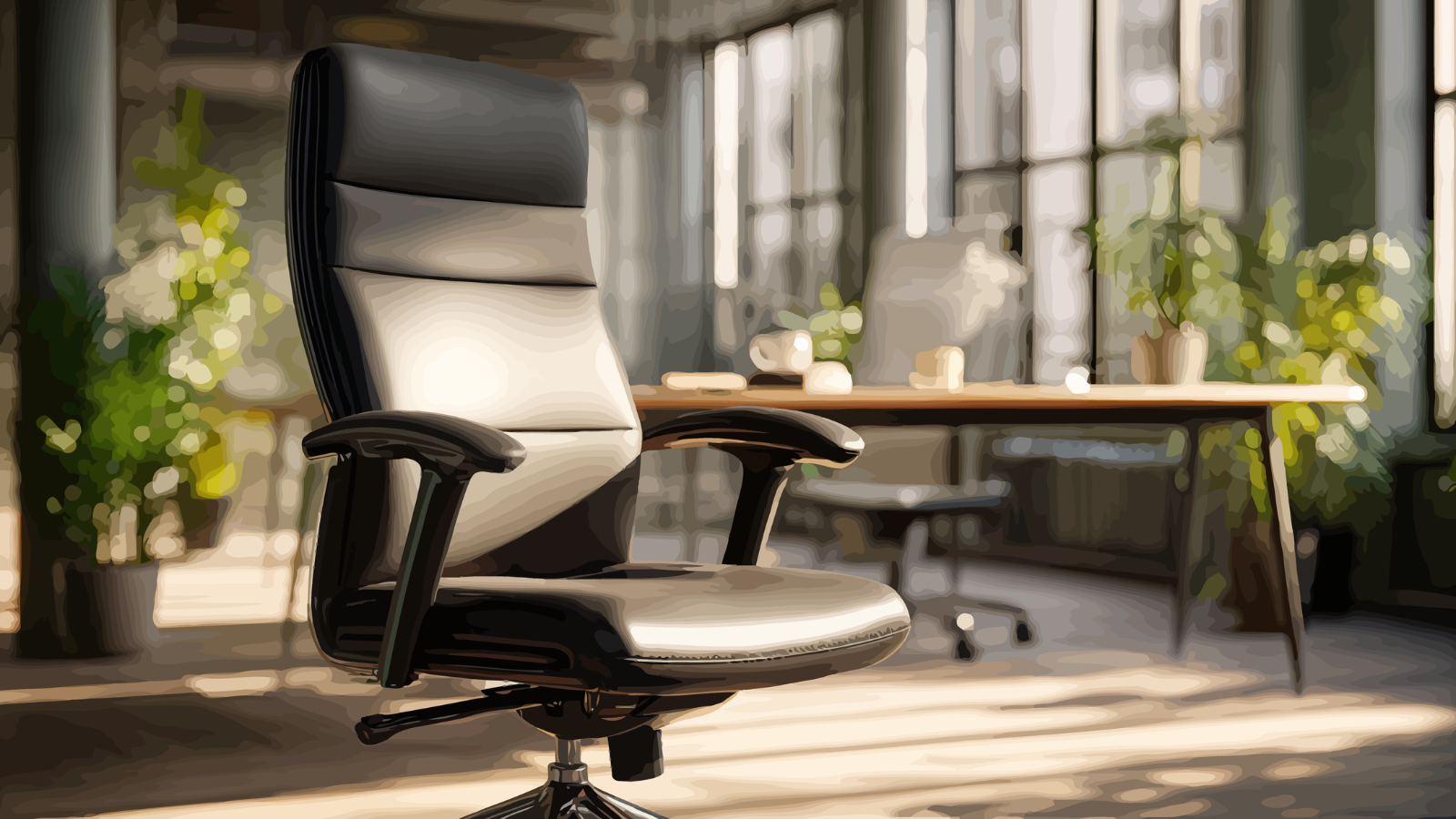
Creating a well-designed office is about far more than simply placing a desk in a room and plugging in a computer. A properly arranged office can improve productivity, reduce stress, and even support better physical health. Whether you are setting up a home office, a small business workspace, or a larger corporate environment, the way you organise the space strongly influences how efficiently and comfortably people can work.
A good office setup balances functionality with comfort while also considering aesthetics and the psychological impact of the environment. In British workplaces especially, there is often a strong focus on professionalism, practicality, and maintaining a calm, organised atmosphere. In this guide, we explore the most important elements involved in setting up an office the right way.
Before purchasing anything or rearranging furniture, determine the purpose of the office. Is it primarily for quiet, focused work? Will it involve meetings with clients? Does it require collaborative teamwork, or is it mainly for individual tasks?
Once you have answered these questions, you can plan the layout accordingly. A well-planned office layout ensures smooth movement and helps the space feel open rather than cluttered. Desks should be positioned to allow easy access while keeping distractions to a minimum. For example, placing desks too close to busy corridors or near printers may lead to frequent interruptions.
It is also wise to think about zoning. Many modern offices include separate zones for different activities: a quiet area for concentration, a collaborative space for teamwork, and a meeting area for discussions. Even in a small office, zoning can be achieved through smart furniture placement and careful organisation.
One of the most critical aspects of any office setup is ergonomic comfort. Poor posture and unsuitable furniture can lead to back pain, neck strain, and long-term health problems. In Britain, employers are increasingly aware of health and safety expectations, and home workers also benefit from proper ergonomic choices.
The desk should be the correct height, allowing the user's arms to rest comfortably at a natural angle when typing. The chair should provide good lumbar support and allow adjustments for height, back tilt, and armrests. Ideally, feet should rest flat on the floor, and the monitor should be positioned so that the top of the screen sits at or just below eye level.
Investing in quality seating is not a luxury—it is a necessity. A cheaper chair may save money initially, but it often leads to discomfort and reduced productivity. Choosing properoffice furnitureis one of the smartest decisions you can make when setting up a workspace.
Lighting can dramatically affect mood, focus, and energy levels. A poorly lit office can cause eye strain and headaches, while overly bright lighting can feel harsh and uncomfortable.
Natural light is ideal. If possible, position desks near windows, but avoid placing screens directly in front of sunlight, as this can cause glare. In many British offices, daylight can be limited during winter months, making good artificial lighting essential.
Source: International Business Times UK