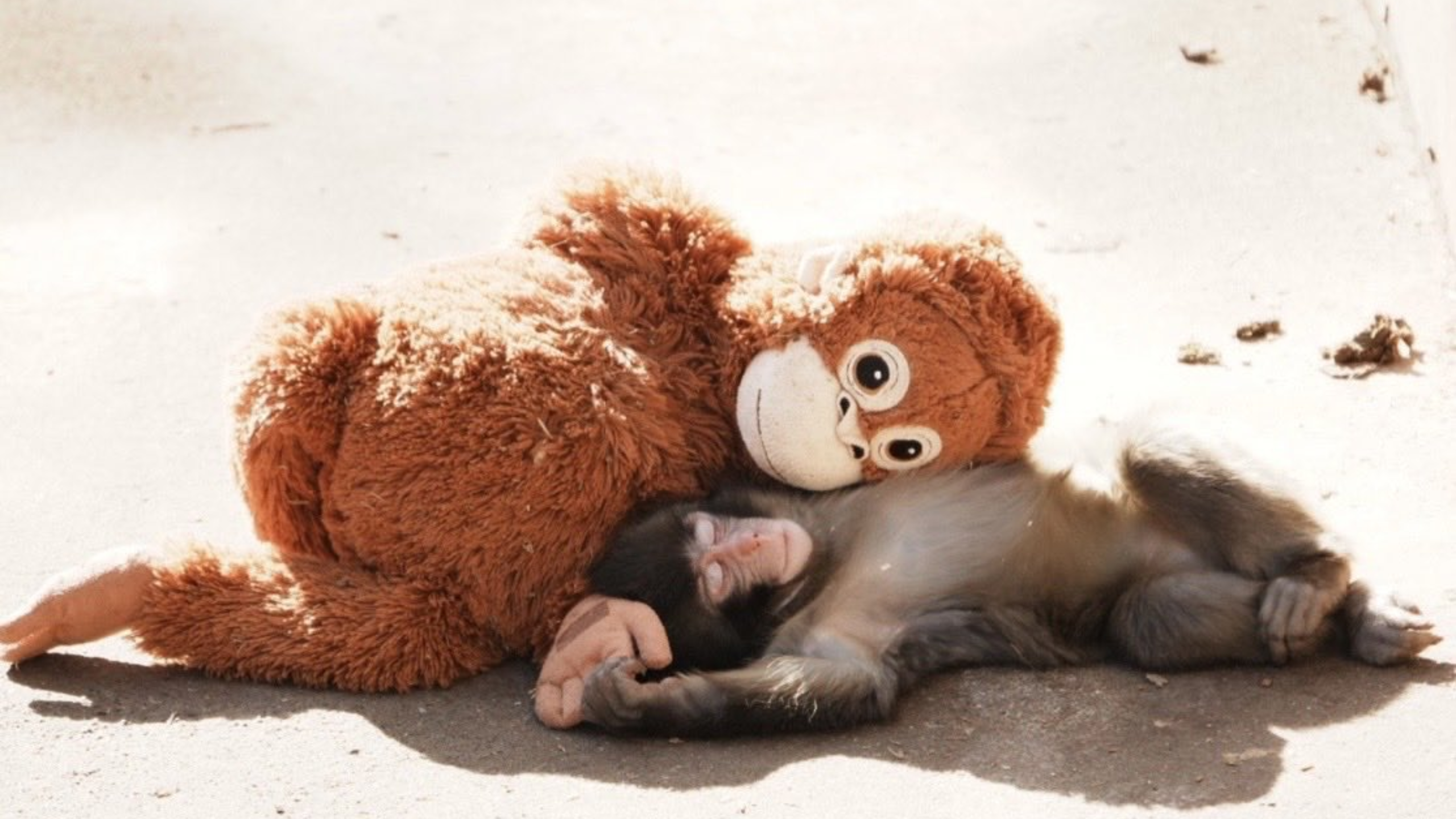
A tiny macaque clinging to an orange stuffed toy has become a global sensation with his emotional story attracting so many around the world.
Videos showingPunch— a baby Japanese macaque at a zoo in Japan — being chased, pulled or pushed by older monkeys have clocked up millions of views in recent weeks, and many viewers have described the scenes as distressing.
People have called out the zoo authorities and have insisted that they step in to save Punch from 'bullying' he has been facing by his community. Yet those caring for Punch claim that the story is more complicated than what is being unfolded online.
Punch, known in Japan as Panchi-kun, was born on July 26 2025, at Ichikawa City Zoo and Botanical Gardens in Chiba Prefecture.
According to the zoo, he was rejected by his first-time mother shortly after birth during a period of intense summer heat. A visitor alerted keepers after noticing the newborn alone in the enclosure. Later, staff intervened and beganhand-rearing him.
According to wildlife experts,maternal rejection in primatesis uncommon but documented. It can occur with inexperienced mothers, after difficult births, or during periods of environmental stress. In the wild, such infants would be unlikely to survive. However, in managed settings, keepers provide round-the-clock care.
Punch was reportedly bottle-fed and monitored closely. Because baby Japanese macaques instinctively cling to their mothers' fur for warmth and muscle development, staff introduced substitute comfort objects.
After trialling towels and other materials, they selected a long-haired orange stuffed orangutan toy, chosen for its texture and grip, and since then, the toy has become a fixture in Punch's daily life, frequently seen tucked tightly under his arm.
In January this year, Punch was gradually introduced to the troop to begin social integration. Experts say that Japanese macaques are highly social animals, and long-term isolation would pose serious developmental risks.
It was during this phase that videos began circulating online.
Source: International Business Times UK