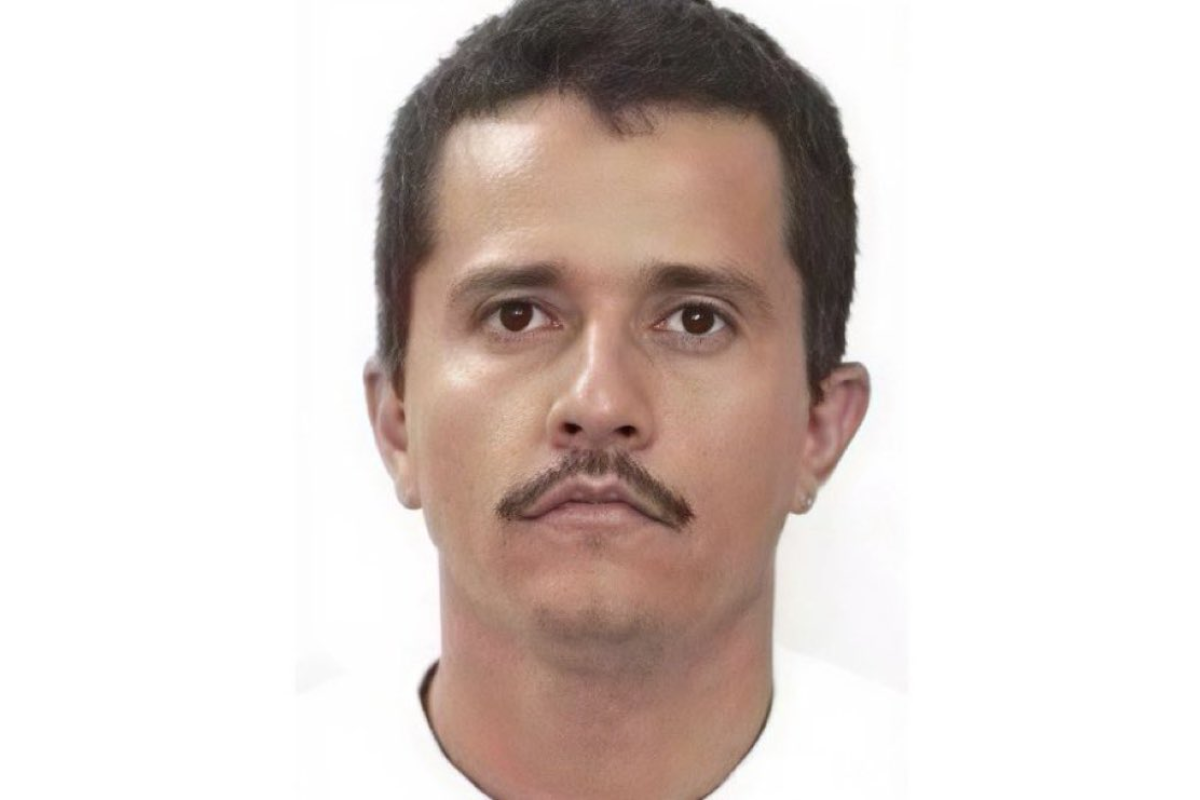
He was born in a farming village in Michoacán, left school before finishing the fifth grade, and spent part of his youth picking avocados. Decades later, the US Drug Enforcement Administration woulddescribe the organisationhe built as one of the 'most significant threats to the public health, public safety, and national security of the United States'. On Sunday, that man—Nemesio Rubén Oseguera Cervantes, known across two continents as 'El Mencho'—was shot dead by the Mexican military during an operation in the mountains of Jalisco.
By nightfall, at least sixMexican stateswere in chaos. Burning vehicles blocked highways across Jalisco, Michoacán, Colima, Tamaulipas, Guanajuato, and Aguascalientes, the cartel's signature response to a leadership strike. TheUS State Departmenttold American citizens in three of those states to shelter in place and stay off the roads.
Aguililla, the municipality in Michoacán where Oseguera Cervantes grew up on 17 July 1966, is remote, poor, and in recent decades one of Mexico's more violent flashpoints. As a boy he worked the land with his family and never finished primary school. By his teens, the path in front of him had very little to do with farming.
He eventually made his way to California, where records show he was arrested in 1986 for stolen property and carrying a loaded firearm. Three years later came another arrest, this time for selling narcotics in San Francisco. He was deported to Mexico, returned, and in 1992 was picked up again in Sacramento. A1994 convictionfor conspiracy to distribute heroin in the US District Court for the Northern District of California led to a sentence of nearly three years in prison, after which he was deported once more.
What he did next set him apart. He returned to Mexico and, for a time, joined local police forces in Jalisco. The man who would one day be hunted by every major law enforcement agency in North America once wore a badge.
It did not take long for him to abandon law enforcement and re‑enter the criminal world he already knew. He moved up through the Milenio Cartel, attaching himself to powerful figures and learning the mechanics of large‑scale trafficking from the inside. When those bosses fell—arrested, killed, or both—he was positioned to move.
After the death of Ignacio 'Nacho' Coronel Villarreal in 2010, Oseguera Cervantes and Erik Valencia Salazar founded the Jalisco New Generation Cartel, initially known as 'Los Mata Zetas'. What began as a splinter group quickly expanded, taking on rivals such as the Zetas and the Knights Templar simultaneously.
Under El Mencho's direction, CJNG grew from a regional player to a sprawling criminal enterprise with a footprint in more than 40 countries. Fentanyl became its most lucrative and deadly product: precursor chemicals imported from China, processed in clandestine Mexican labs, and pushed across the US border in volumes that helped drive what American health officials describe as a public health catastrophe.
A 2022 US Justice Department indictment charged Oseguera Cervantes with conspiracy to distribute methamphetamine, cocaine, and fentanyl for importation into the United States, as well as directing a continuing criminal enterprise under the Drug Kingpin statute.
For a man blamed for so much visible destruction, El Mencho himself was rarely seen. He gave no interviews. There are few verified photographs. He communicated through encrypted channels, moved constantly between remote mountain compounds, and was reportedly protected by former military personnel hired to keep him alive and hidden.
Source: International Business Times UK