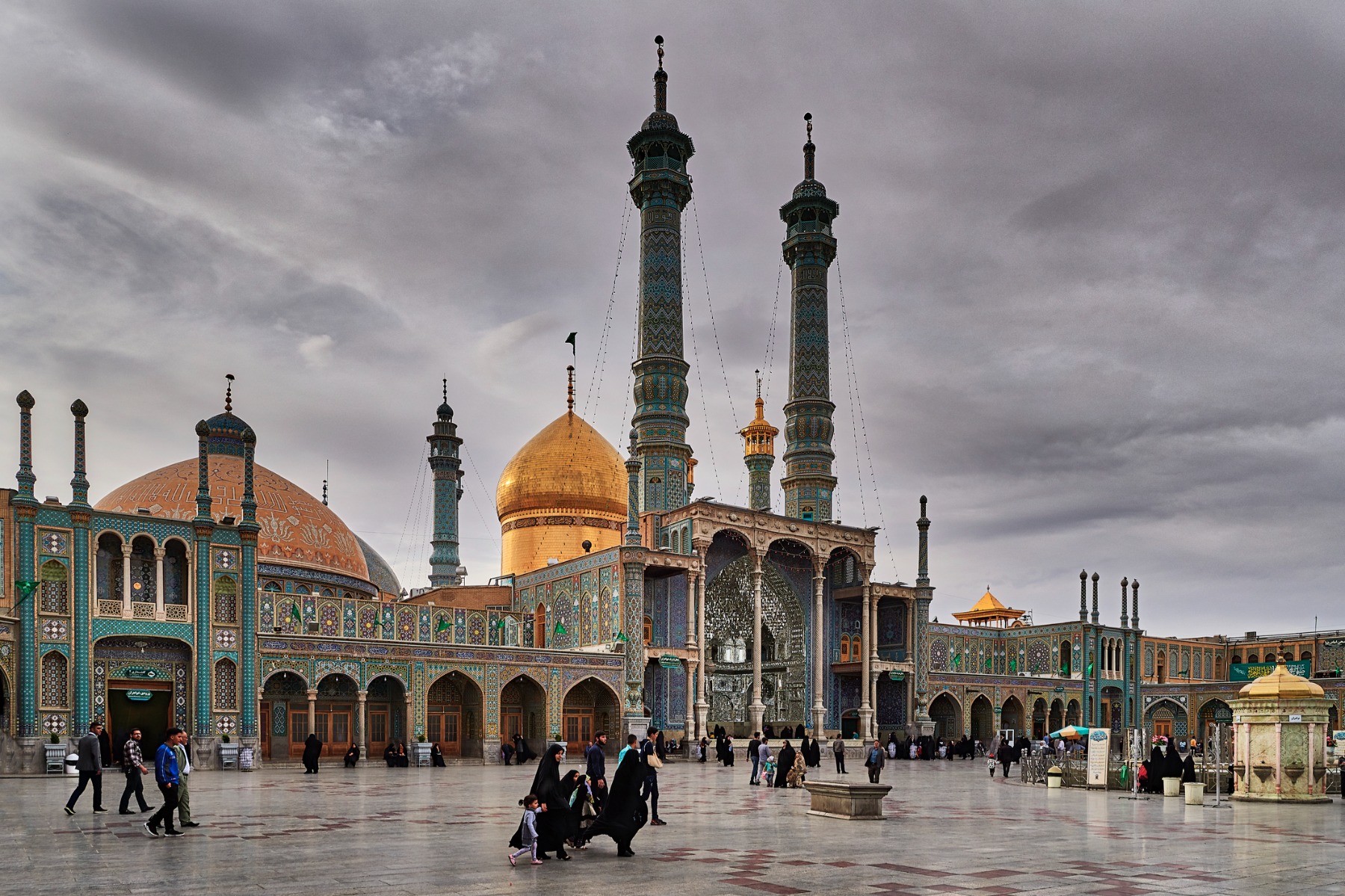
Last Tuesday, as Iranians organized mourning ceremonies on the 40thday of the deaths of thousands of protesters across the nation, asamizdatwas distributed in the "holy" city of Qom, the bastion of Iranian clergy.
The single-page tract included parts of a poem by Sanai, an 11thcentury Persian poet lampooning the clergy.
Look at our times a handful of imposter clericsHaving no notion of reason and scienceHaving no notion of what man is aboutDesperate like donkeys in search of fodderAll they care about is eating and fornicatingHave cast aside notions of shame and honorThey seek nothing but loot and plunderAlien they are to rules of faith.
Surprisingly, despite unprecedented security deployment, no attempt was made to stop the tract.
Did the authorities want to pass a message to the clergy who have remained silent throughout the most turbulent weeks of the beleaguered republic?
The expectation was that the clergy would do what they have done for half a century: acting as echo chamber for the official narrative of the tragic events.
A sign that the attack on clergy may have had a nod and a wink from "the authorities" came the same day in the official dailyJumhuri Islami("Islamic Republic") founded in 1979 and owned by "Supreme Guide" Ayatollah Ali Khamenei.
In an editorial, the paper accused the clergy of having lost contact with "real community" and being addicted to mammon's offers.
"Instead of living in small cells of thehowzah(theological school) they live in luxurious abodes and enjoy the best possibilities that worldly life can offer," the editorial claimed.
The editorial revealed that the luxury villas and penthouses where some clergy live are theoretically owned by "foundations", "charities" and "research centers" they head, funded by the state.
Source: Gatestone Institute :: Articles
