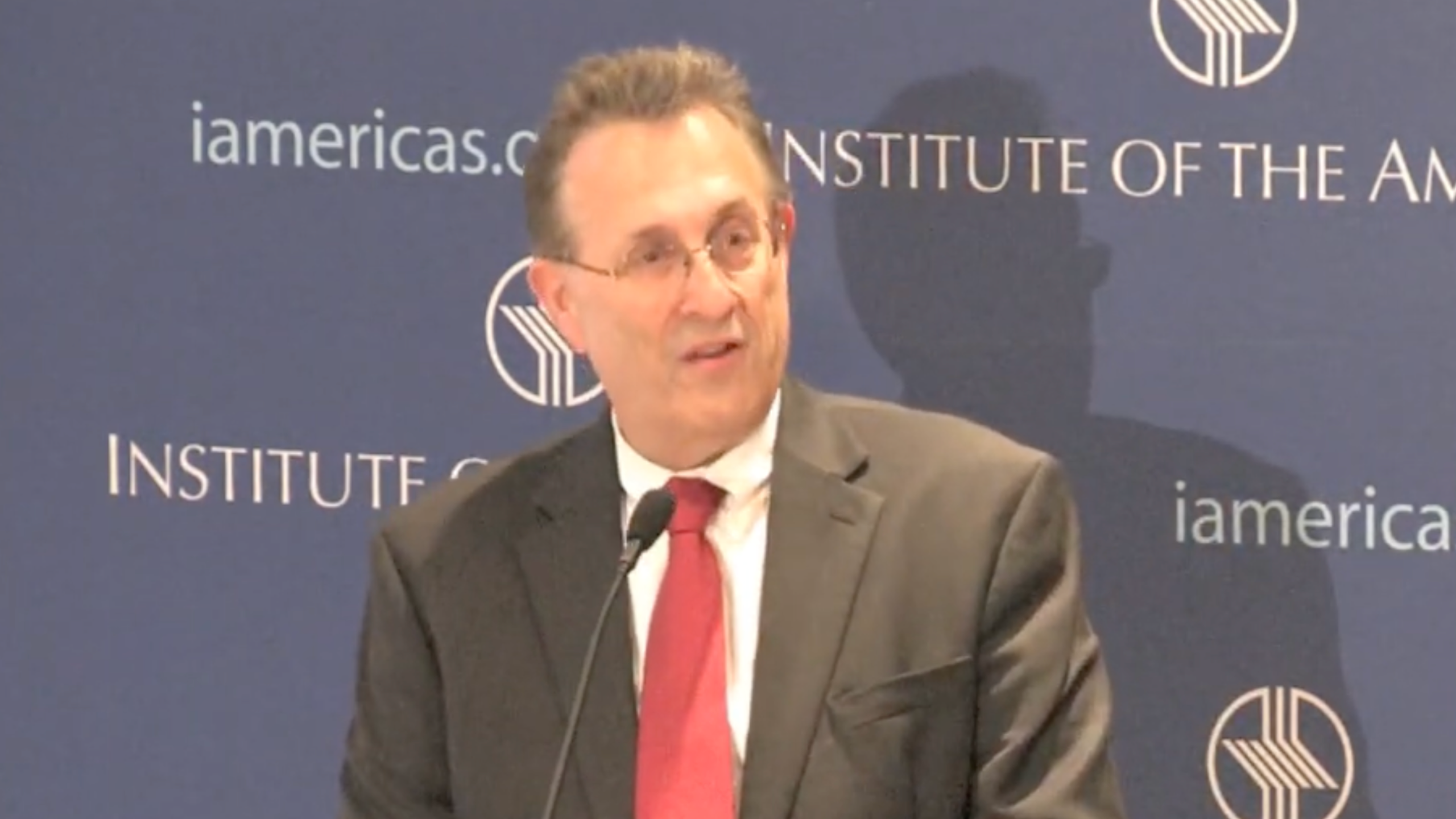
A newly released US Department of Justice document linked to theJeffrey Epstein investigationcontains an explosive allegation that a former United States ambassador to Mexico impregnated an 11-year-old girl, a claim recorded in federal files but not substantiated by charges or court findings.
The document, part of theJustice Department's ongoing disclosure of Epstein-related materials, has drawn scrutiny because it reflects raw intelligence submitted to investigators rather than verified conclusions.
The file, catalogued asEFTA00165013within Data Set 9 of the Epstein archive, records an email sent to US law-enforcement officials in July 2019. Its contents highlight how federal agencies documented allegations connected to Epstein's network, even when evidence remained unproven.
The DOJ file originates from an email written by an individual identifying himself as 'Ken Turner,' who contacted a US official with information he claimed related to Epstein's activities in Mexico. The message urges investigators to question former US ambassador to Mexico Earl Anthony Wayne regarding alleged conduct at a 2014 gathering in Ciudad Juárez.
According to the document, Turner alleged that the event took place at housing controlled by the US Consulate and involvedEpstein and former US Navy SEAL commander Richard Marcinko. Turnerassertedthat Mexican federal police arrested the ambassador following the event and claimed that a child later conceived at the gathering matched Wayne's DNA '100%.'
Epstein Files reveal that former U.S. Ambassador to Mexico Earl Anthony Wayne impregnated an 11 year oldpic.twitter.com/2SRyPJDxqU
The same email further alleged that the diplomat received a life sentence in Mexico in 2017 for impregnating an 11-year-old girl and avoided imprisonment through an arrangement involving a substitute prisoner. The communication also claimed an outstanding arrest warrant remained active in Mexico.
Crucially, the DOJ document itself presents these statements as allegations supplied by a tipster. The file does not include corroborating evidence, judicial confirmation, or investigative conclusions supporting the claims.
The Epstein archive consists of millions of pages of emails, witness statements, intelligence submissions and evidentiary records collected during federal investigations into the late financier Jeffrey Epstein and his associates. The Department of Justice has warned that the scale of the material means some documents contain sensitive or unverified information submitted during investigations.
Law-enforcement agencies routinely preserve such communications because tips, even when unproven, may later assist investigators in identifying patterns or corroborating testimony. Inclusion in federal records therefore does not establish wrongdoing.
Source: International Business Times UK
