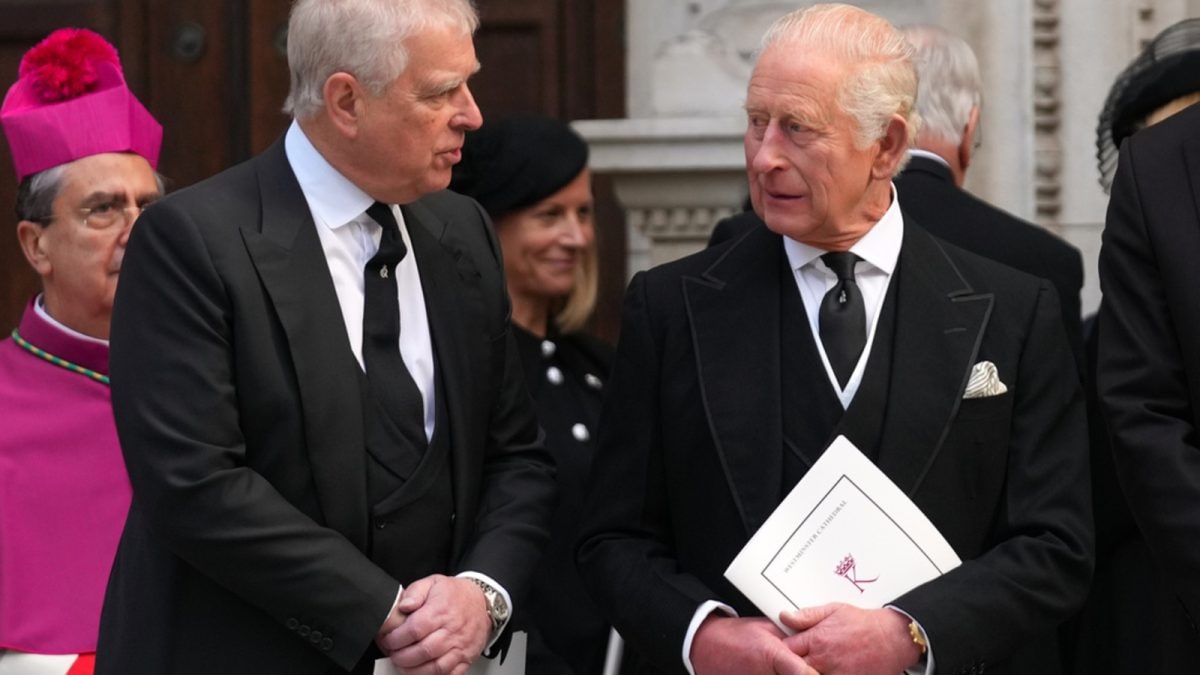
King Charles III is confronting one of the most serious challenges of his reign following the arrest of his younger brother, Andrew Mountbatten-Windsor, a development that has intensified scrutiny of the British monarchy and revived longstanding controversies.
Since ascending the throne in September 2022 after the death of Queen Elizabeth II, Charles has navigated a succession of personal and institutional crises. Royal commentator Ed Owens noted that the king has faced difficulties ranging from family tensions involving his younger son, Prince Harry, to serious health concerns within the royal household.
Charles’s reign began with solemn continuity. After decades as heir apparent, he became monarch following Elizabeth II’s 70-year rule, widely seen as a stabilising era for the Crown. His coronation on May 6, 2023, showcased tradition and pageantry, projecting stability.
But strains had already begun to show. In January 2023, Prince Harry published his memoirSpare, levelling criticism at members of the royal family and exposing private disputes. Living in California with his wife, Meghan, since stepping back from royal duties in 2020, Harry’s relationship with the monarchy remains strained despite gestures toward reconciliation.
In February 2024, Charles revealed he was undergoing treatment for cancer, without specifying the type, leading him to reduce public engagements. Soon after, Catherine, Princess of Wales and wife of heir William, also announced she was receiving cancer treatment. Although Catherine later said she is in remission, and Charles indicated his treatment was easing, illness has cast a shadow over the monarchy.
Amid these pressures, Andrew’s legal troubles have emerged as perhaps the gravest threat to Charles’s reign.
The duke’s long-standing association with late American financier and convicted sex offender Jeffrey Epstein has been a source of controversy for years. A 2011 photograph showing Andrew with his arm around Virginia Giuffre, Epstein’s accuser, caused significant public backlash and damaged his reputation.
In October, Charles stripped Andrew of his remaining titles in an apparent effort to distance the institution from the scandal. However, the release of new documents by US authorities reignited scrutiny. On Thursday, Andrew was arrested and questioned for several hours on suspicion of passing confidential information to Epstein during his tenure as a UK trade envoy between 2001 and 2011, marking an unprecedented moment in modern royal history.
In a rare personally signed statement, Charles said the “law must take its course" and expressed his “deepest concern".
Royal historian Andrew Lownie described the situation as a “crunch point" for the monarchy, suggesting that if it were shown senior figures had shielded Andrew, it could have profound consequences for the king’s position.
Source: World News in news18.com, World Latest News, World News
