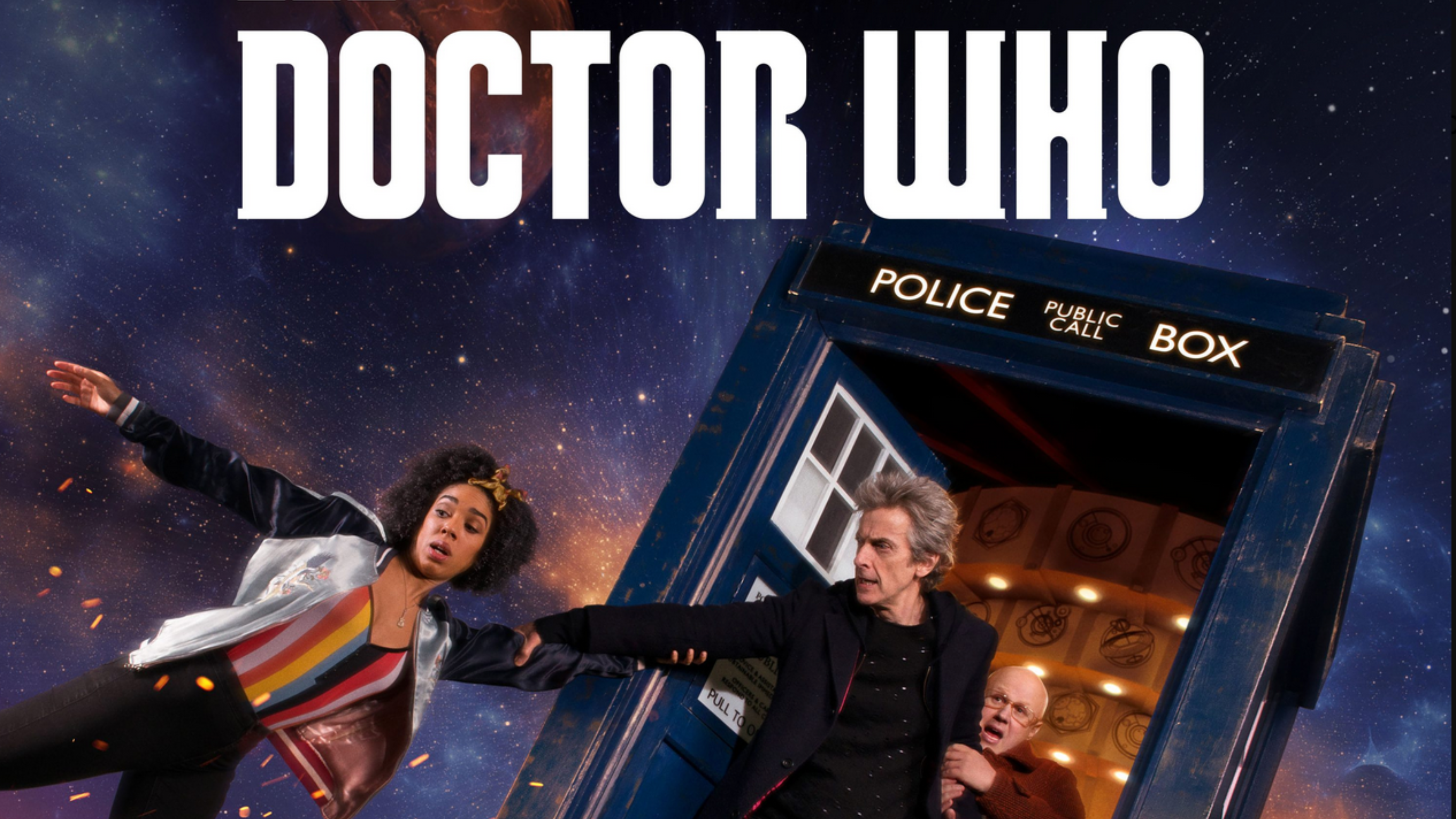
Disney invested up to $220 million (£168 million) in Doctor Who across two seasons. Then it walked away. The BBC's response amounts to three words: Don't panic yet.
Zai Bennett, BBC Studios' recently appointed production chief, offered his first public comments on the collapsed partnership this week. The Time Lord isn't vanishing, he toldDeadlinein an interview, even if Disney's money just did.
Bennett described BBC Studios as 'a big important part of Doctor Who' and said everyone involved remains 'motivated to make sure Doctor Who has a long and flourishing life.' A Christmas special is coming in 2026, he confirmed, adding that work on the show's future begins after that.
The statement raises as many questions as it answers. Most urgently: who pays for it?
Disney pulled out last October after bankrolling what sources estimate was between £6 million and £8 million ($7.6 million to $10 million) per episode,according to industry reports. That investment bought lavish production values British audiences hadn't seen since the 2005 revival - bigger sets, higher-profile guest stars, the works. It funded 26 episodes total across two seasons, plus an upcoming spin-off called The War Between the Land and the Sea.
What the money didn't buy was American viewers. And that's why the partnership died.
It's Blue Box Monday and we want to hear your favourite TARDIS moments! 🟦💙#BlueMondaypic.twitter.com/bHmMFhyRyK
The numbers told a brutal story. Multiple industry sources confirmed toDeadlinethat Doctor Who failed to expand beyond its core fanbase, particularly in the United States, where Disney desperately needed traction. Sixty years of brand recognition couldn't convert casual American viewers into devoted fans at the scale required to justify the spend.
Showrunner Russell T. Davies made bold creative choices - casting Ncuti Gatwa as the first Black Doctor, featuring transgender actress Yasmin Finney, and bringing in drag performer Jinkx Monsoon as a villain. Critical praise followed. Commercial success did not. Viewership never matched the investment. Industry insiders say Disney grew lukewarm within the first year.
The streaming giant will continue hosting the two seasons it co-produced, plus the spin-off that completes the original deal. But that's where the relationship ends. Disney declined to comment publicly on the split.
Source: International Business Times UK
