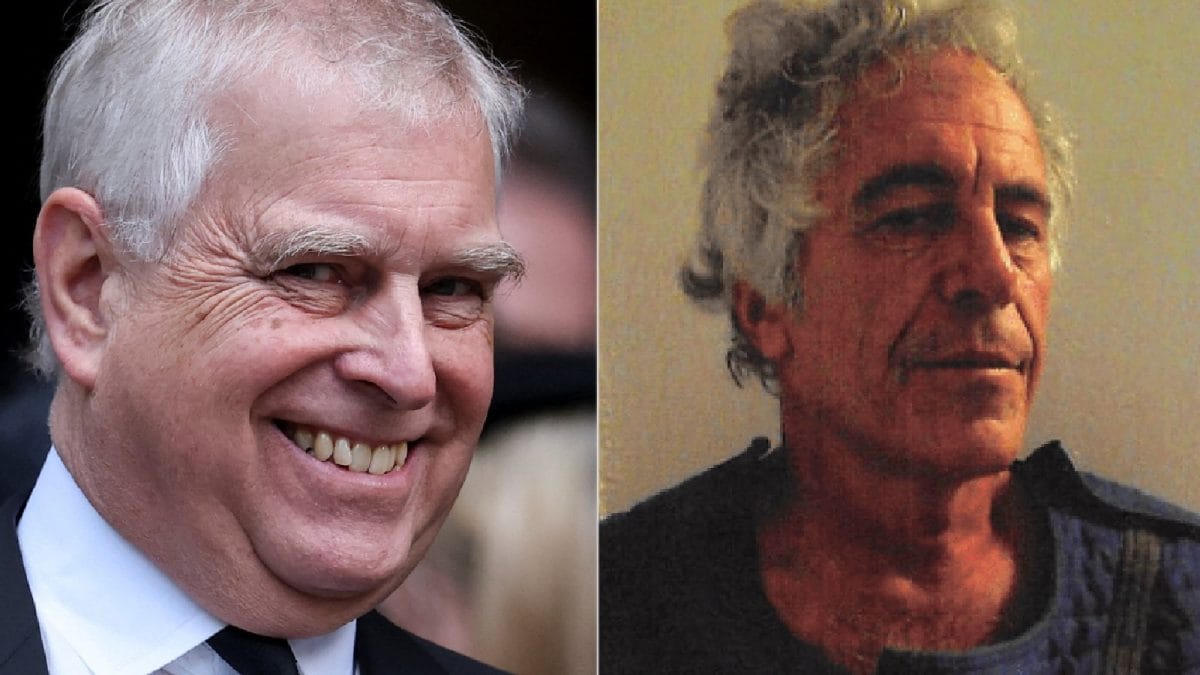
The British government is considering formally removing Andrew Mountbatten-Windsor from the royal line of succession after a police investigation into allegations of misconduct in public office concludes.
The former Prince Andrew became the first British royal in centuries to be arrested on Thursday. He was held on suspicion of misconduct in public office and released hours later “under investigation", meaning he has neither been charged nor cleared.
Thames Valley Police said earlier this month they were examining a claim that, while serving as the United Kingdom’s trade envoy in 2010, he shared confidential documents with the late convicted sex offender and financier Jeffrey Epstein.
Any attempt to remove him from the line of succession would require an Act of Parliament, a process that is both lengthy and politically uncertain. It would also likely need approval from other Commonwealth countries such as Canada and Australia, where the British monarch remains head of state, US broadcasterNBC News, who first reported the development, said.
Despite being stripped of his remaining royal titles last year, Mountbatten-Windsor is still eighth in line to succeed his brother, King Charles III, though he is considered highly unlikely ever to take the throne.
At birth, he was second in line behind his mother, Queen Elizabeth II’s heir Charles, but has gradually moved down the order as Charles’ family has expanded.
He now sits behind Prince William and his three children, as well as Prince Harry and his two children.
Mountbatten-Windsor has previously denied wrongdoing linked to Epstein but has not commented on his arrest this week or on allegations emerging from the recent release of Epstein-related files.
In October, amid renewed controversy over his ties to Epstein, King Charles stripped his brother of his princely title and asked him to vacate his Windsor residence, Royal Lodge.
No steps were taken at the time to remove him from the line of succession, and Buckingham Palace also did not pursue measures such as abolishing his Duke of York title, which would have required parliamentary cooperation.
Source: World News in news18.com, World Latest News, World News
