As West Bengal heads into a crucial election cycle, political messaging across parties suggests that religion may be emerging as a visible theme in campaign narratives. With debates intensifying around the proposed Babri Mosque project on one side and large-scale temple and cultural projects backed by the state government on the other, the key question remains: Is the electoral discourse shifting from governance to faith-based mobilisation?
The debate gained momentum after expelled TMC MLA Humayun Kabir initiated work related to a proposed Babri Mosque project. Kabir, who was earlier expelled by the Trinamool Congress, reportedly over his stance on the mosque issue, has since launched a new political outfit named the Janata Unnayan Party.
At the stone-laying ceremony of the proposed mosque, a large gathering was witnessed. Kabir also announced plans for 1,200 Quran recitations and a “Babri Yatra." While attendance at the recitation event was significant, the Yatra reportedly drew a comparatively smaller crowd. Observers noted that Kabir displayed victory signs during the event, leading to criticism that the initiative was politically motivated.
In a candid statement, Kabir told News18, “Mamata Banerjee does politics with religion. BJP leaders also do politics with religion. I have no other way but to do politics with religion, and I accept that clearly."
His remarks have fuelled the argument that religion is being consciously brought into the political arena. Supporters, however, claim he is responding to what they describe as the ruling party’s own use of religious symbolism.
In parts of the region, there appears to be dissatisfaction among sections of minority voters over issues such as the Waqf Act, SIR, and OBC-related concerns. Some voters expressed frustration, questioning whether promises made earlier were effectively upheld.
Political observers suggest that Kabir is attempting to tap into this sentiment and consolidate support by positioning himself as a defender of minority interests.
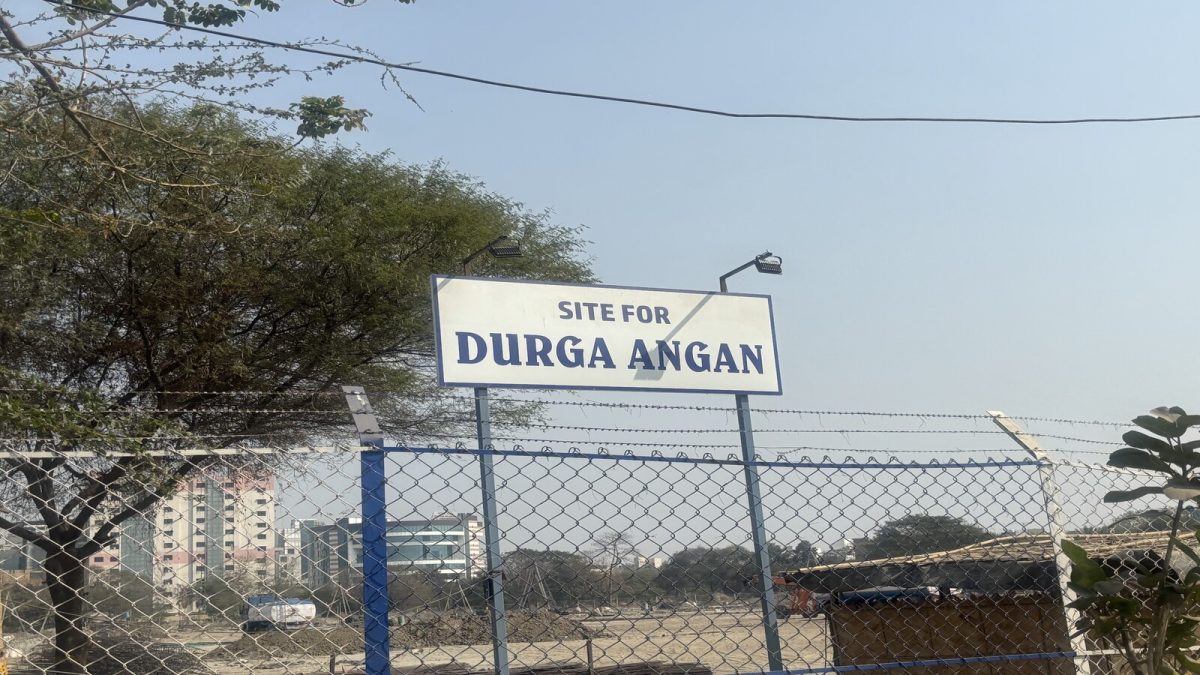
Simultaneously, the state government has initiated several large religious and cultural projects:
The government describes these initiatives as cultural and heritage projects. However, critics argue that the visible emphasis on religious sites indicates a strategic political recalibration.
The Trinamool Congress has dismissed allegations of religious politics. Party spokesperson Kunal Ghosh told News18 that religion-based politics is primarily the BJP’s domain and insisted that development and communal harmony remain the core issues in Bengal.
Source: Politics News in news18.com, Politics Latest News, Politics News