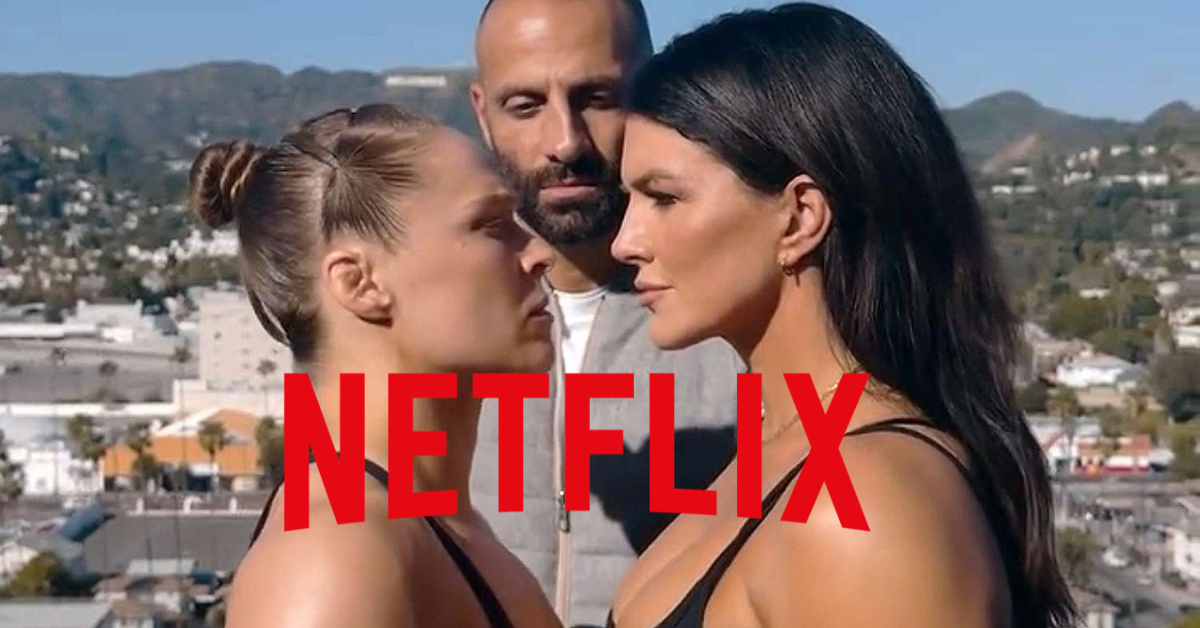
Ronda Rouseyhas detailed why her long‑anticipated bout with Gina Carano will appear on Netflix under Most Valuable Promotions rather than in the UFC. In a recent interview with Jim Rome, she traced the decision back to how the UFC’s shift away from pay‑per‑view and toward a streaming‑centric model changed what the promotion could or would pay for a mega‑event.
Rousey said she initially wantedthe fightto land around New Year’s and approached UFC president Dana White directly. She told him that if he consistently describes her as the best fighter he has ever worked with, he should prove it with a deal that matches her status.
“Originally I wanted to do it for New Year’s and I went to him and I’m like, ‘Dude, you always say that I’m the best fighter you ever worked with. Like, reward me for it. Don’t punish me for being easy to work with. Give me the best deal you ever gave anybody.’
“And he was like, ‘All right, I’m going to go back and get you the best deal I ever had.’ So he came back and he literally brought me a deal where I would make more per pay‑per‑view buy than anybody in history. If I hit my historical numbers—which I know we would have been able to succeed—I would have made as much as I did in my entire career.”
Rousey credited White with holding up his word on the structure of the offer, describing the package as the richest pay‑per‑view‑based deal the UFC had ever constructed for a single fighter. The issue arose when the original timing window slipped, and the fight effectively landed after the UFC’s seven‑year, roughly $7.7 billion streaming rights pact with Paramount+ kicked in.
“It happened to go to the other side of when the ESPN deal and their pay‑per‑view model would be ending and they would be going to streaming. And you know, they’re now a publicly traded company. They didn’t want to set a precedent of giving me the guaranteed money that I deserve because once I raise that tide it lifts all the boats.”
Rousey said the UFC’s new structure and obligations to shareholders meant the company was less willing to frontload a blockbuster payout that could ripple across the roster. She argued that, once the platform‑scale deal with Paramount was in place, the UFC’s focus shifted toward keeping fighter costs low and maximizing margins rather than paying top dollar for the most electric matchups.
“They just made a 7.7 billion dollar deal at Paramount. So, it’s in their best interest actually not to put on the best fights possible, but to spend as little money as possible so that he can keep it. They’re legally obligated to maximize shareholder value. It’s not just about proving the concept of fighting and putting on the best fights possible and proving that this is a sport to be taken seriously.”
With the UFC now operating as part of a larger corporate framework, Rousey placed the responsibility on UFC executives such as Dana White and senior leadership, includingHunter Campbelland UFC Corp., to manage the bottom line rather than push the most aggressive talent deals. She said that, once the promotion adopted a model that prioritized cost efficiency, staying with the UFC no longer made sense for her orCarano.
“Now it’s kind of out of Dana’s hands, unfortunately. It’s falling onto Hunter Campbell and UFC Corp., where they don’t care about putting on the best fights possible. They care about putting on the most cost‑effective fights possible. So it no longer made sense for me to go over there because they didn’t want to pay us the money that we deserve because then for the rest of the time of the deal they’re going to have to pay everybody else more.”
Source: LowKickMMA.com