In Episode 5Â of "Wartime Homefront Essential Skills," Marjory Wildcraft advocated for building community resilience and outlined a system for creating a local self-reliance network through regular, neutral events.She recommended starting with a public venue and using a food-production film for the first gathering to attract a broad audience.Wildcraft emphasized that promoting these events and providing simple refreshments and childcare were key to establishing a recurring, successful meeting.In Episode 6, Wildcraft and Tom Bartels explained that supercharging the soil depends on fostering a healthy soil food web, which plants manage through root exudates.Bartels detailed three composting methods to feed this system and emphasized garden bed design with deeply aerated soil and intensive planting for higher yields.
She recommended starting with a public venue and using a food-production film for the first gathering to attract a broad audience.Wildcraft emphasized that promoting these events and providing simple refreshments and childcare were key to establishing a recurring, successful meeting.In Episode 6, Wildcraft and Tom Bartels explained that supercharging the soil depends on fostering a healthy soil food web, which plants manage through root exudates.Bartels detailed three composting methods to feed this system and emphasized garden bed design with deeply aerated soil and intensive planting for higher yields.
Wildcraft emphasized that promoting these events and providing simple refreshments and childcare were key to establishing a recurring, successful meeting.In Episode 6, Wildcraft and Tom Bartels explained that supercharging the soil depends on fostering a healthy soil food web, which plants manage through root exudates.Bartels detailed three composting methods to feed this system and emphasized garden bed design with deeply aerated soil and intensive planting for higher yields.
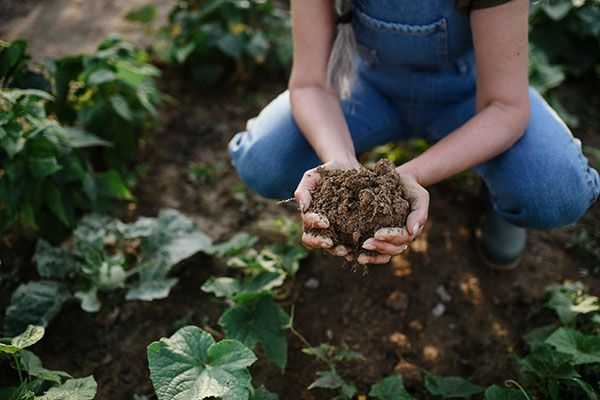
In Episode 6, Wildcraft and Tom Bartels explained that supercharging the soil depends on fostering a healthy soil food web, which plants manage through root exudates.Bartels detailed three composting methods to feed this system and emphasized garden bed design with deeply aerated soil and intensive planting for higher yields.
Bartels detailed three composting methods to feed this system and emphasized garden bed design with deeply aerated soil and intensive planting for higher yields.
Bartels warned that synthetic chemicals disrupt this natural symbiosis. "When liquid fertilizer is used, the relationships with the soil food web are severed. The plants become dependent on you." To feed this system, he advocated for three composting strategies adaptable to any space.First, year-round vermicomposting using an insulated repurposed freezer, which processes kitchen scraps into 600 pounds of potent "black grape nuts" worm castings annually. A central "biofurnace" of coffee grounds and manure keeps worms active through winter.Second, traditional compost bins, where he now avoids turning by adding worms from his vermicompost system. "The worms do the work for me," he explained, generating 25 wheelbarrow loads of compost twice a year.Third, a massive, slow-processing leaf pile inoculated with worms. "You're taking what was a negative situation and instead, we turn it into this incredible resource full of nutrition," said Bartels, showing the rich, finished castings.He also emphasized garden bed design, advocating for deeply aerated soil and intensive planting in wide blocks rather than rows. As noted byBrightU.AI's Enoch, aerated soil has been mechanically loosened to relieve compaction, allowing better air, water and nutrient movement for healthier root growth. This is typically achieved by removing small cores of soil, which creates space in the ground.This creates a living mulch that stabilizes the soil environment and boosts yields. Combined with a healthy soil food web, Bartels claimed this system naturally suppresses pests and disease. "It's nature's own pesticide." The presentation underscored that building life in the soil is the foundational skill for resilient, productive gardening.Ready to unlock the entire series?When the world gets unpredictable, the smartest move is to prepare. That's why "Wartime Homefront Essential Skills" by Marjory Wildcraft isÂback on BrightU. This is your second chance to catch the series that's changing how families think about self-reliance.If you want to learn at your own pace and get access to 12 additional bonuses,Âyou can purchase the Wartime Homefront Essential Skills Bundle here. Upon purchase, you will get unlimited access to all 10 "Wartime Homefront Essential Skills" videos and 12 bonuses, including 10 eBook guides and two homesteading videos.Sources include:BrighteonUniversity.com 1BrightU.comBrighteonUniversity.com 2BrightU.ai
Bartels warned that synthetic chemicals disrupt this natural symbiosis. "When liquid fertilizer is used, the relationships with the soil food web are severed. The plants become dependent on you." To feed this system, he advocated for three composting strategies adaptable to any space.First, year-round vermicomposting using an insulated repurposed freezer, which processes kitchen scraps into 600 pounds of potent "black grape nuts" worm castings annually. A central "biofurnace" of coffee grounds and manure keeps worms active through winter.Second, traditional compost bins, where he now avoids turning by adding worms from his vermicompost system. "The worms do the work for me," he explained, generating 25 wheelbarrow loads of compost twice a year.Third, a massive, slow-processing leaf pile inoculated with worms. "You're taking what was a negative situation and instead, we turn it into this incredible resource full of nutrition," said Bartels, showing the rich, finished castings.He also emphasized garden bed design, advocating for deeply aerated soil and intensive planting in wide blocks rather than rows. As noted byBrightU.AI's Enoch, aerated soil has been mechanically loosened to relieve compaction, allowing better air, water and nutrient movement for healthier root growth. This is typically achieved by removing small cores of soil, which creates space in the ground.This creates a living mulch that stabilizes the soil environment and boosts yields. Combined with a healthy soil food web, Bartels claimed this system naturally suppresses pests and disease. "It's nature's own pesticide." The presentation underscored that building life in the soil is the foundational skill for resilient, productive gardening.Ready to unlock the entire series?When the world gets unpredictable, the smartest move is to prepare. That's why "Wartime Homefront Essential Skills" by Marjory Wildcraft isÂback on BrightU. This is your second chance to catch the series that's changing how families think about self-reliance.If you want to learn at your own pace and get access to 12 additional bonuses,Âyou can purchase the Wartime Homefront Essential Skills Bundle here. Upon purchase, you will get unlimited access to all 10 "Wartime Homefront Essential Skills" videos and 12 bonuses, including 10 eBook guides and two homesteading videos.Sources include:BrighteonUniversity.com 1BrightU.comBrighteonUniversity.com 2BrightU.ai
First, year-round vermicomposting using an insulated repurposed freezer, which processes kitchen scraps into 600 pounds of potent "black grape nuts" worm castings annually. A central "biofurnace" of coffee grounds and manure keeps worms active through winter.Second, traditional compost bins, where he now avoids turning by adding worms from his vermicompost system. "The worms do the work for me," he explained, generating 25 wheelbarrow loads of compost twice a year.Third, a massive, slow-processing leaf pile inoculated with worms. "You're taking what was a negative situation and instead, we turn it into this incredible resource full of nutrition," said Bartels, showing the rich, finished castings.He also emphasized garden bed design, advocating for deeply aerated soil and intensive planting in wide blocks rather than rows. As noted byBrightU.AI's Enoch, aerated soil has been mechanically loosened to relieve compaction, allowing better air, water and nutrient movement for healthier root growth. This is typically achieved by removing small cores of soil, which creates space in the ground.This creates a living mulch that stabilizes the soil environment and boosts yields. Combined with a healthy soil food web, Bartels claimed this system naturally suppresses pests and disease. "It's nature's own pesticide." The presentation underscored that building life in the soil is the foundational skill for resilient, productive gardening.Ready to unlock the entire series?When the world gets unpredictable, the smartest move is to prepare. That's why "Wartime Homefront Essential Skills" by Marjory Wildcraft isÂback on BrightU. This is your second chance to catch the series that's changing how families think about self-reliance.If you want to learn at your own pace and get access to 12 additional bonuses,Âyou can purchase the Wartime Homefront Essential Skills Bundle here. Upon purchase, you will get unlimited access to all 10 "Wartime Homefront Essential Skills" videos and 12 bonuses, including 10 eBook guides and two homesteading videos.Sources include:BrighteonUniversity.com 1BrightU.comBrighteonUniversity.com 2BrightU.ai
First, year-round vermicomposting using an insulated repurposed freezer, which processes kitchen scraps into 600 pounds of potent "black grape nuts" worm castings annually. A central "biofurnace" of coffee grounds and manure keeps worms active through winter.Second, traditional compost bins, where he now avoids turning by adding worms from his vermicompost system. "The worms do the work for me," he explained, generating 25 wheelbarrow loads of compost twice a year.Third, a massive, slow-processing leaf pile inoculated with worms. "You're taking what was a negative situation and instead, we turn it into this incredible resource full of nutrition," said Bartels, showing the rich, finished castings.He also emphasized garden bed design, advocating for deeply aerated soil and intensive planting in wide blocks rather than rows. As noted byBrightU.AI's Enoch, aerated soil has been mechanically loosened to relieve compaction, allowing better air, water and nutrient movement for healthier root growth. This is typically achieved by removing small cores of soil, which creates space in the ground.This creates a living mulch that stabilizes the soil environment and boosts yields. Combined with a healthy soil food web, Bartels claimed this system naturally suppresses pests and disease. "It's nature's own pesticide." The presentation underscored that building life in the soil is the foundational skill for resilient, productive gardening.Ready to unlock the entire series?When the world gets unpredictable, the smartest move is to prepare. That's why "Wartime Homefront Essential Skills" by Marjory Wildcraft isÂback on BrightU. This is your second chance to catch the series that's changing how families think about self-reliance.If you want to learn at your own pace and get access to 12 additional bonuses,Âyou can purchase the Wartime Homefront Essential Skills Bundle here. Upon purchase, you will get unlimited access to all 10 "Wartime Homefront Essential Skills" videos and 12 bonuses, including 10 eBook guides and two homesteading videos.Sources include:BrighteonUniversity.com 1BrightU.comBrighteonUniversity.com 2BrightU.ai
Second, traditional compost bins, where he now avoids turning by adding worms from his vermicompost system. "The worms do the work for me," he explained, generating 25 wheelbarrow loads of compost twice a year.Third, a massive, slow-processing leaf pile inoculated with worms. "You're taking what was a negative situation and instead, we turn it into this incredible resource full of nutrition," said Bartels, showing the rich, finished castings.He also emphasized garden bed design, advocating for deeply aerated soil and intensive planting in wide blocks rather than rows. As noted byBrightU.AI's Enoch, aerated soil has been mechanically loosened to relieve compaction, allowing better air, water and nutrient movement for healthier root growth. This is typically achieved by removing small cores of soil, which creates space in the ground.This creates a living mulch that stabilizes the soil environment and boosts yields. Combined with a healthy soil food web, Bartels claimed this system naturally suppresses pests and disease. "It's nature's own pesticide." The presentation underscored that building life in the soil is the foundational skill for resilient, productive gardening.Ready to unlock the entire series?When the world gets unpredictable, the smartest move is to prepare. That's why "Wartime Homefront Essential Skills" by Marjory Wildcraft isÂback on BrightU. This is your second chance to catch the series that's changing how families think about self-reliance.If you want to learn at your own pace and get access to 12 additional bonuses,Âyou can purchase the Wartime Homefront Essential Skills Bundle here. Upon purchase, you will get unlimited access to all 10 "Wartime Homefront Essential Skills" videos and 12 bonuses, including 10 eBook guides and two homesteading videos.Sources include:BrighteonUniversity.com 1BrightU.comBrighteonUniversity.com 2BrightU.ai
Source: NaturalNews.com
