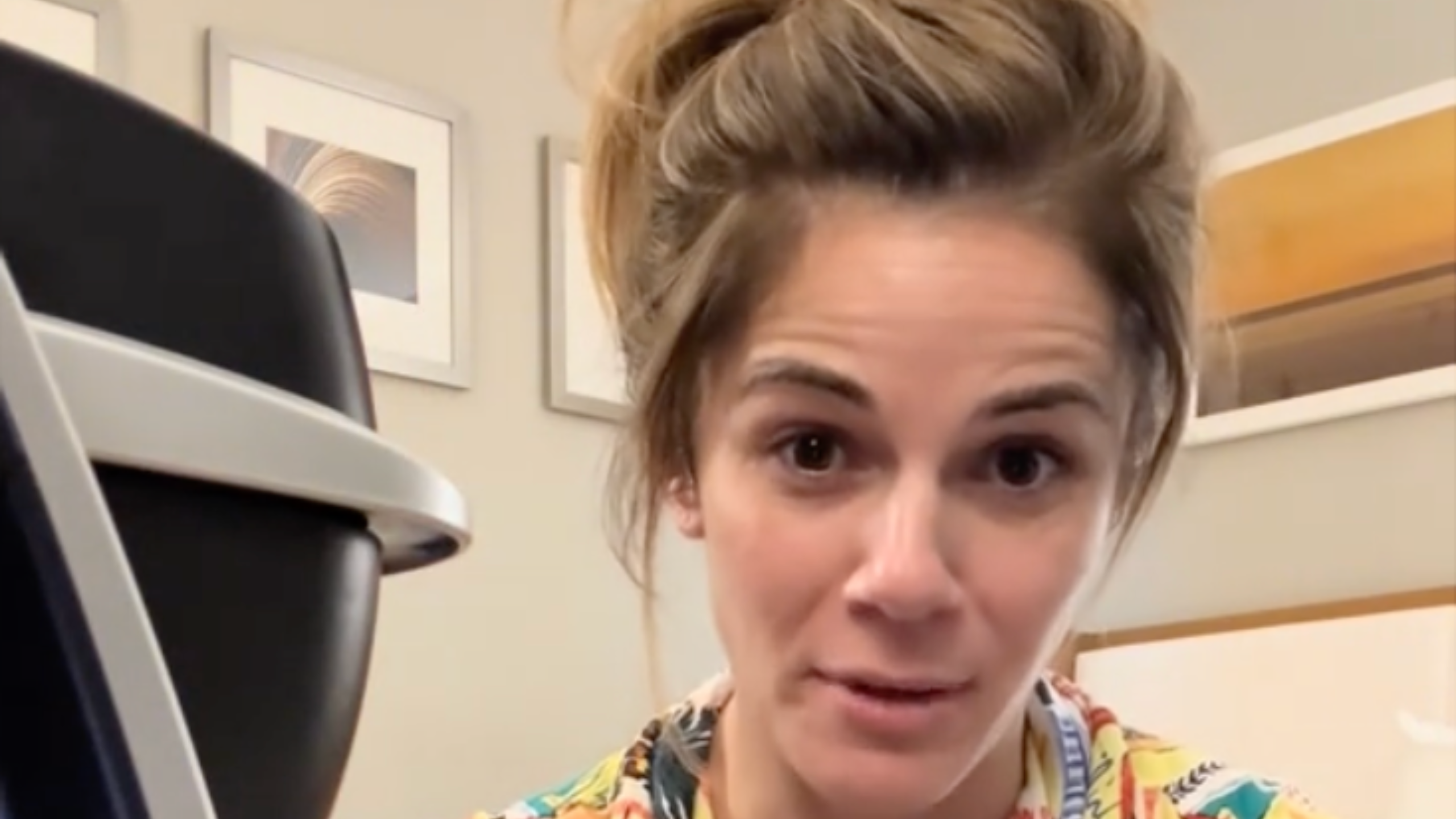
A viral TikTok 'travel hack' has ignited a global hygiene debate after a wellness influencer revealed she washes underwear insidehotel coffee makers: a practice experts warn could expose unsuspecting guests to contamination.
The video, posted by TikTok creator tarawoodcox11, shows the influencer placing underwear inside an in-room coffee machine and running a brew cycle to flush boiling water through the garment. She describes the method as a practical solution for travelling with insufficient clothing and claims she learned it from a flight attendant. The clip has spread rapidly across social media since mid-February 2026, prompting alarm among travellers and renewed scrutiny of hotel sanitation practices.
In the widely shared clip, the influencer demonstrates inserting underwear into the coffee filter compartment before activating the brew function. She tells viewers that 'tons of people already know this,' framing it as a clever workaround for travellers caught without clean clothes.
The footage quickly circulated beyond TikTok, drawing strong reactions online and prompting debate about etiquette and health risks in shared accommodation spaces.
Travel hacks!#fyp#foryoupage#travel#clean#wow
The backlash has been driven largely by the realisation that hotel coffee makers are communal appliances reused by successive guests. Unlike linens or towels, which are routinely laundered, small in-room devices are typically wiped externally rather than dismantled after each stay. Critics of the video argue that the misuse of such equipment poses contamination risks to subsequent occupants who assume the machines have been used solely for beverages.
Hospital operators rarely publish detailed cleaning schedules for individual appliances, but hospitality guidelines generally prioritise visible surfaces and high-touch areas over internal mechanical components. That gap has become central to public concern following the video's spread.
Researchinto beverage equipment suggests that coffee makers can harbour bacteria if not cleaned regularly. A hygiene analysis of institutional coffee machines identified contamination byBacillus cereus, a microorganism capable of producing toxins linked to foodborne illness, prompting recommendations that machines undergo routine disinfection and monitoring.
Public health guidance also underscores the vulnerability of water-based appliances to microbial growth. The USCentres for Disease Control and Preventionadvises that equipment connected to water systems, including coffee and tea machines, must be flushed, cleaned and sanitised according to manufacturer instructions following contamination risks or water safety events.
Although boiling water reduces many pathogens, experts note that brewing cycles are not designed to sterilise fabrics or remove bodily residues. Coffee makers lack detergents, agitation cycles, and rinse processes used in proper laundering. Residual organic matter may remain inside tubing, reservoirs, or filter baskets long after use, especially if staff are unaware of misuse.
Source: International Business Times UK