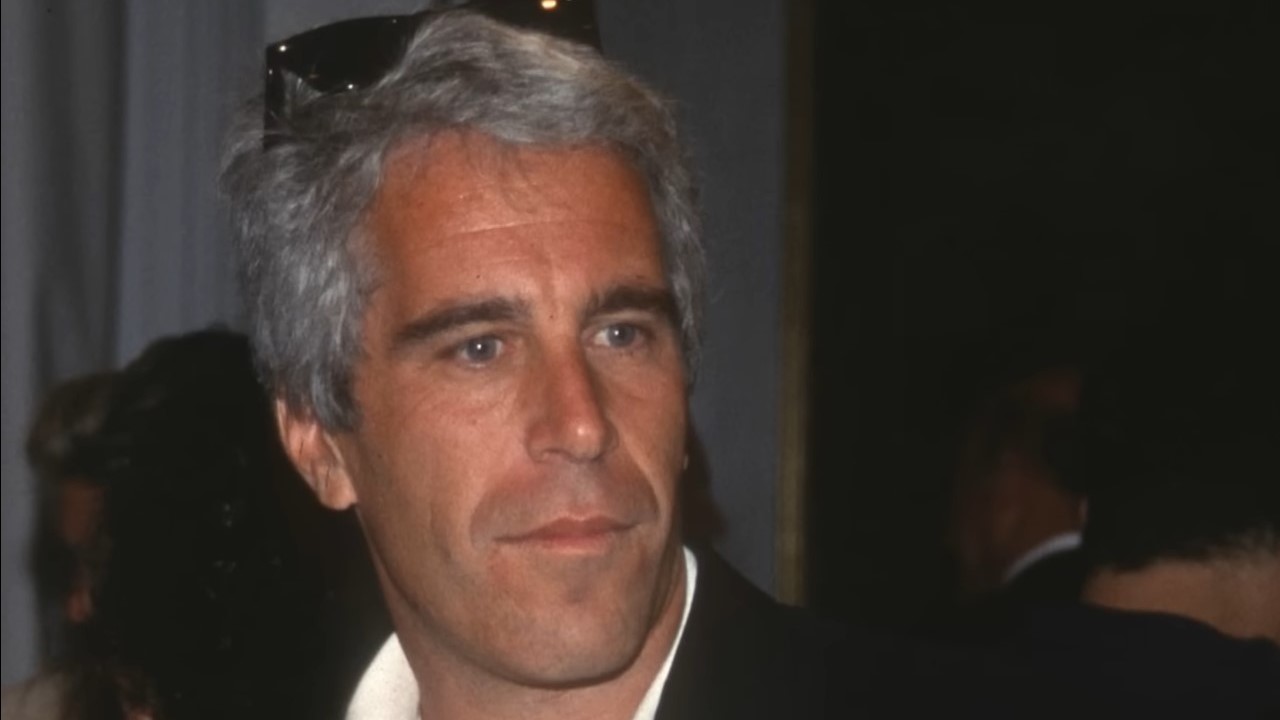
Jeffrey Epstein did not use the word 'jerky' as a secret code for human meat in his federal case files, newly surfaced documents have confirmed.
Claims circulating across TikTok and X alleged that the term was a hidden reference to cannibalism within the disgraced financier's social circle. However, a review of the millions of pages of records and testimony from a former employee reveals a far more ordinary reality.
The term was used in its literal food sense, referring to standard protein snacks such as grass-fed beef and turkey jerky. These claims emerged after excerpts from the case files were shared on Reddit, sparking a wave of online speculation. But experts, fact-checkers, and the chef involved have all maintained there was no hidden meaning in the messages.
These claims circulated on Facebook, X and TikTok in February 2026 after excerpts from the case files appeared on Reddit.
The idea drew attention because the Epstein case already attracts massive online interest. But a close review of the documents and testimony from a former chef shows something much more ordinary was going on.
Experts, fact‑checkers and the chef himself have all said the same thing: there was no hidden meaning in those references. The claims about coded language do not match the evidence in the files.
The earliest known post pushing the 'codeword' claim appeared on Facebook in early February 2026. In it, a user shared a short video saying that 'jerky' in the Epstein files was something sinister. The post linked to a Reddit archive containing snippets of emails from the case files.
That Facebook post quickly spread to TikTok and X, where users reposted the same idea. But the original video did not point to any official source saying the word was a code. It relied only on the Reddit archive and speculation.
Once the rumour caught on, other posts added more claims. Some people said the term must be a secret reference to something illegal or worse. None of this was backed up by evidence from investigators or prosecutors.
Fact‑checkers noted that the confusion grew because many people did not read the full emails. Instead, they saw isolated lines and drew dramatic conclusions. Once those ideas spread, they took on a life of their own.
Source: International Business Times UK