WhenIt Ends With Ushit theatres in August 2024, it was meant to be a powerful story about survivors of domestic abuse. The film, based on the bestselling novel, was already carrying weighty themes long before the first trailer dropped.
But shortly after the movie's release, social media lit up — not just about the film itself, but also about how it was being promoted.
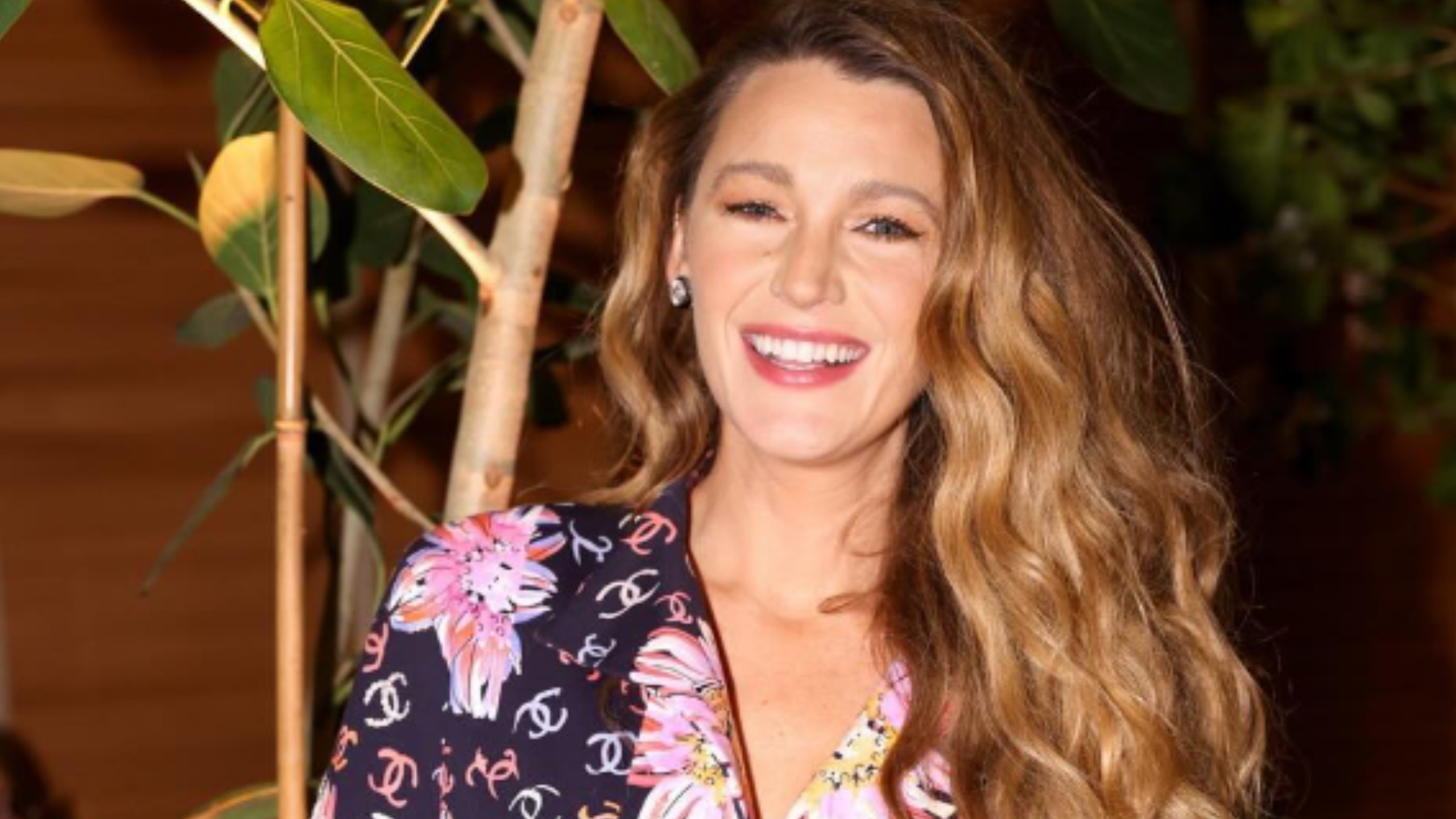
At the heart of the online debate was a promotional phrase used in one of the film's official marketing posts. In a clip on the movie's Instagram page,Blake Lively encouraged audiences by saying, 'Grab your friends, wear your florals and head out to see it.'
The wording and the cheery tone of the clip didn't sit well with many people. Users questioned whether that kind of message was appropriate for a movie about intimate-partner violence and survival.
Critics called the line 'tone‑deaf' and likened it to promotional language often used for lighter films — not ones dealing with trauma and abuse. One comment said, 'Wear your florals? WTF? This isn't another Barbie movie type film. So damn tone deaf.' Many pointed out that the phrase made the film seem more like a fun girls' night than a serious drama.
Some critics pointed out that Lively's upbeat marketing contrasted sharply with how the film's director and co‑star, Justin Baldoni, was portrayed. The actor talked about the emotional impact of the story. Baldoni publicly centred his promotional comments on awareness and survivor experiences.
It's worth noting that Lively and her co‑star and director did speak about the film's more serious themes at various promotional events.
Lively spoke about her character's experience, saying the film portrays someone who is 'so much more than just a victim.' But the promotional language already taken its toll.
Later legal battles between Lively and Baldon bit the actress back. But much of the earlier blowback stemmed from how audiences initially reacted to the promo campaign. For many viewers online, the imagery of florals and fun group events just didn't match the emotional weight of the movie's real‑world themes.
Soon, it was revealed that it's never Lively's idea at all. Court documents from Case 1:24‑cv‑10049‑LJL clarified something that was overlooked. The messaging turned out to be a studio-developed strategy.
Source: International Business Times UK