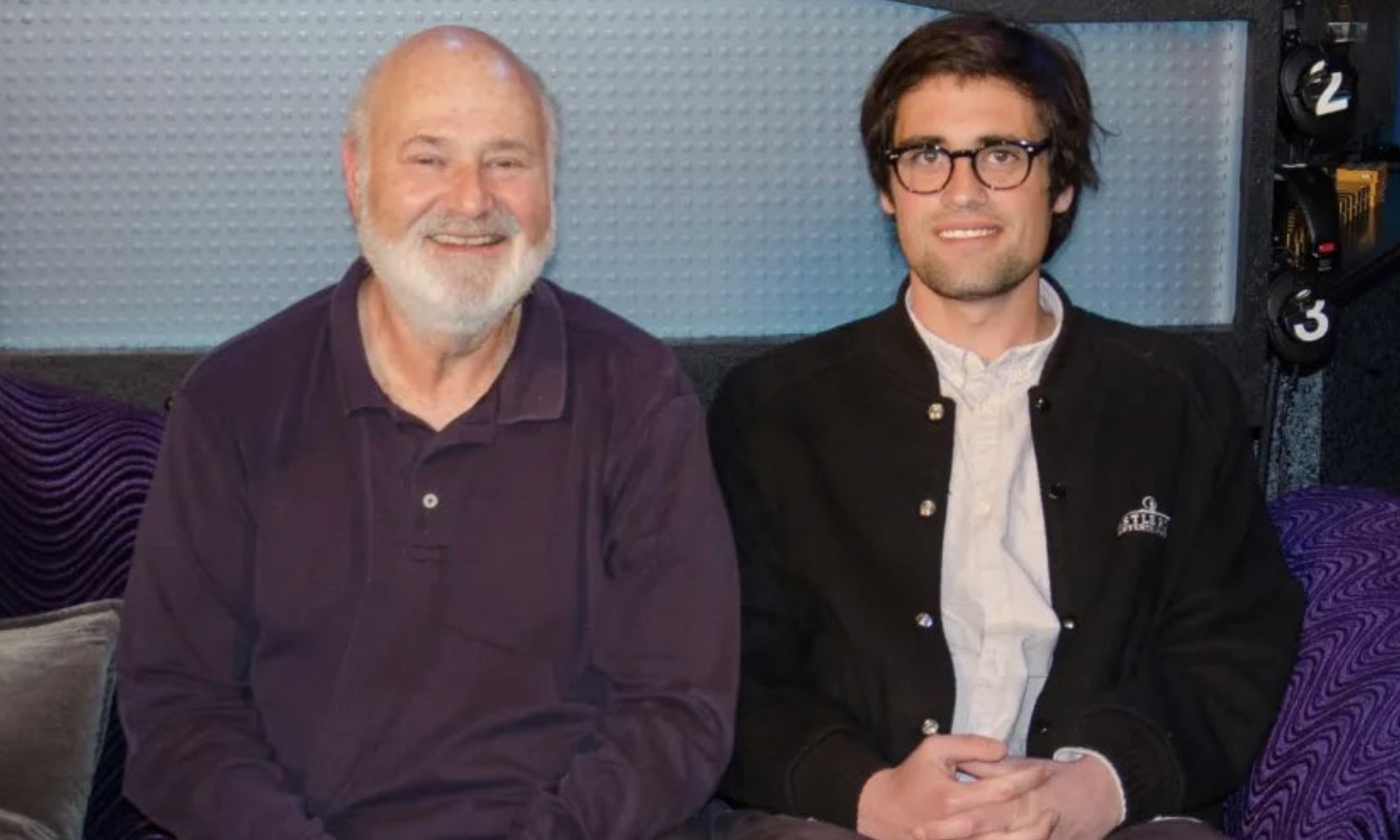
The visiting room at Twin Towers Correctional Facility is designed for contact, but for Nick Reiner, it might as well not exist.Rob Reiner's alleged killer sonhas been there for weeks in a mental‑health unit in downtown Los Angeles, accused of stabbing to death the parents who once turned his struggles into a film about redemption.
No one from the family has walked through the door.
Instead, relatives of the late filmmaker and his wife, photographer‑producer Michele Singer Reiner, are said to be keeping their distance, torn between grief and disbelief as they try to process the accusation hanging over the 32‑year‑old.
Nick was arrested in mid‑December after Rob, 78, and Michele, 70, were found with multiple sharp‑force injuries at their Brentwood home, an affluent enclave on LA's west side better known for celebrity real estate than police tape.
Prosecutors have charged him with two counts of first‑degree murder with a special‑circumstance allegation of multiple murders, charges that carry a maximum sentence of life without parole or the death penalty.
For readers outside the US, that 'special circumstance' label is not just legal jargon; in California, it signals that the case sits at the most serious end of the spectrum, where jurors may eventually be asked to weigh whether a defendant should live or die.
Nick has yet to enter a plea, with a fresh court date set for 23 February, after his high‑profile lawyer, Alan Jackson, abruptly withdrew from the case last month. Jackson cited 'circumstances beyond control' and later insisted he still believed his former client was not guilty under California law.
In the meantime, a public defender has taken over, and the case is moving towards the grinding machinery of a US murder trial: discovery, pre‑trial motions, psychological evaluations, arguments over what a jury will be allowed to hear.
Behind those procedural steps, afamily is deciding what, if anything, they owe to the man accusedof tearing them apart.
When Nick first arrived at Twin Towers, one of the largest jail complexes in the world, he was placed on suicide watch, a routine move in high‑profile, high‑risk cases. He has since been taken off that status but remains in high‑observation housing, confined alone in a cell, monitored every 15 minutes, escorted by deputies and watched on camera whenever he leaves the unit.
Source: International Business Times UK
