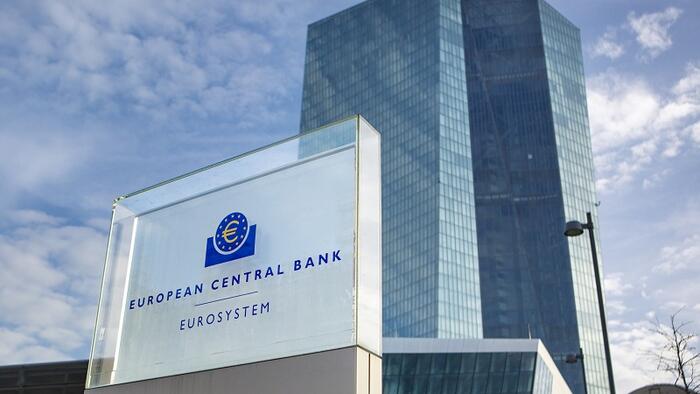
Starting in the third quarter of 2026,new ruleswill apply to the so-called euro repo facility.Central banks worldwide will be able to post up to €50 billion in euro-denominated collateral, such as government bonds, with the ECB in order to obtain euro liquidity from the central bank in cases of acute need.The goal is to guarantee the permanent availability of euro liquidity, replacing the previously time-limited repo lines.
Central banks typically resort to this monetary policy instrument during phases of acute liquidity stress — most recently during the COVID lockdowns. The repo facility counts among the central banks’ immediate crisis tools. The so-called EUREP (Eurosystem Repo Facility for Central Banks) was launched on June 25, 2020, as a short-term liquidity solution for associated central banks: the Central Bank of Kosovo drew €100 million, Montenegro €250 million in short-term liquidity assistance.
Repo auctions generally involve the exchange and short-term pledging of European government bonds for maturities of one to five days, which commercial banks deposit at the central bank in return for liquidity. The collateral is returned after a short period, and the so-called bank reserves are withdrawn again once the liquidity problem has been resolved and the interbank market is functioning properly.
The ECB’s announcement that it will now offer this instrument globally — and over periods of several weeks or even months — raises eyebrows. It suggests that the monetary guardians of the Eurosystem may be anticipating a liquidity crisis in the not-too-distant future.
The drastic expansion of sovereign debt within the eurozone system may explain why concerns are deepening at the ECB tower. If the two pillars, Germany and France, are each calculating net new borrowing of five percent this year alone — thereby placing a steadily growing volume of bonds on the markets — this generates palpable upward pressure on interest rates. At the same time, investors are asking how strongly the creditworthiness of individual euro states ultimately depends on Germany’s ability to service the mounting debt — a pressure that is manifesting itself in markets.
Interest rates have already been rising for more than three years, particularly at the long end of the bond market. This suggests that confidence among large investors, who traditionally provide the bulk of liquidity in this market, is gradually eroding. Meanwhile, the euro is under pressure internationally: euro-denominated reserves currently account for less than 20 percent of global bank reserves and show a slight downward trend. Similar developments can be observed in the settlement of international transactions, where the euro holds roughly a 24 percent share.
The dominant global actor remains the U.S. dollar, both as a reserve currency with a 59 percent share and in the settlement of international transactions at 47 percent. Against this backdrop, it becomes clear that Europe’s monetary authorities are facing an increasingly challenging combination of rising debt, growing interest rates, and a global environment that does not accord the euro the status of the U.S. dollar — factors that pose serious questions for the Eurosystem’s stability and liquidity.
A severe blow to the euro’s international role was the European Union decision to permanently implement the Russia embargo and halt trade in Russian oil and gas. Russia had been among the few major energy market players willing to allow euro denomination and thus held substantial reserves. That era is over.
However, rumors are circulating that the United States, in the event of a peace settlement in Ukraine, could restore Russia’s access to the SWIFT system. Would the EU then follow suit? A return to the status quo ante might require a different political regime in Brussels and Berlin.
A fiscal policy U-turn within the EU is also under discussion. Should member states agree on a “two-speed Europe” and implement joint financing of new debt via so-calledEurobonds, this would place the European bond market on an entirely new footing in terms of both volume and structure.
Source: ZeroHedge News
