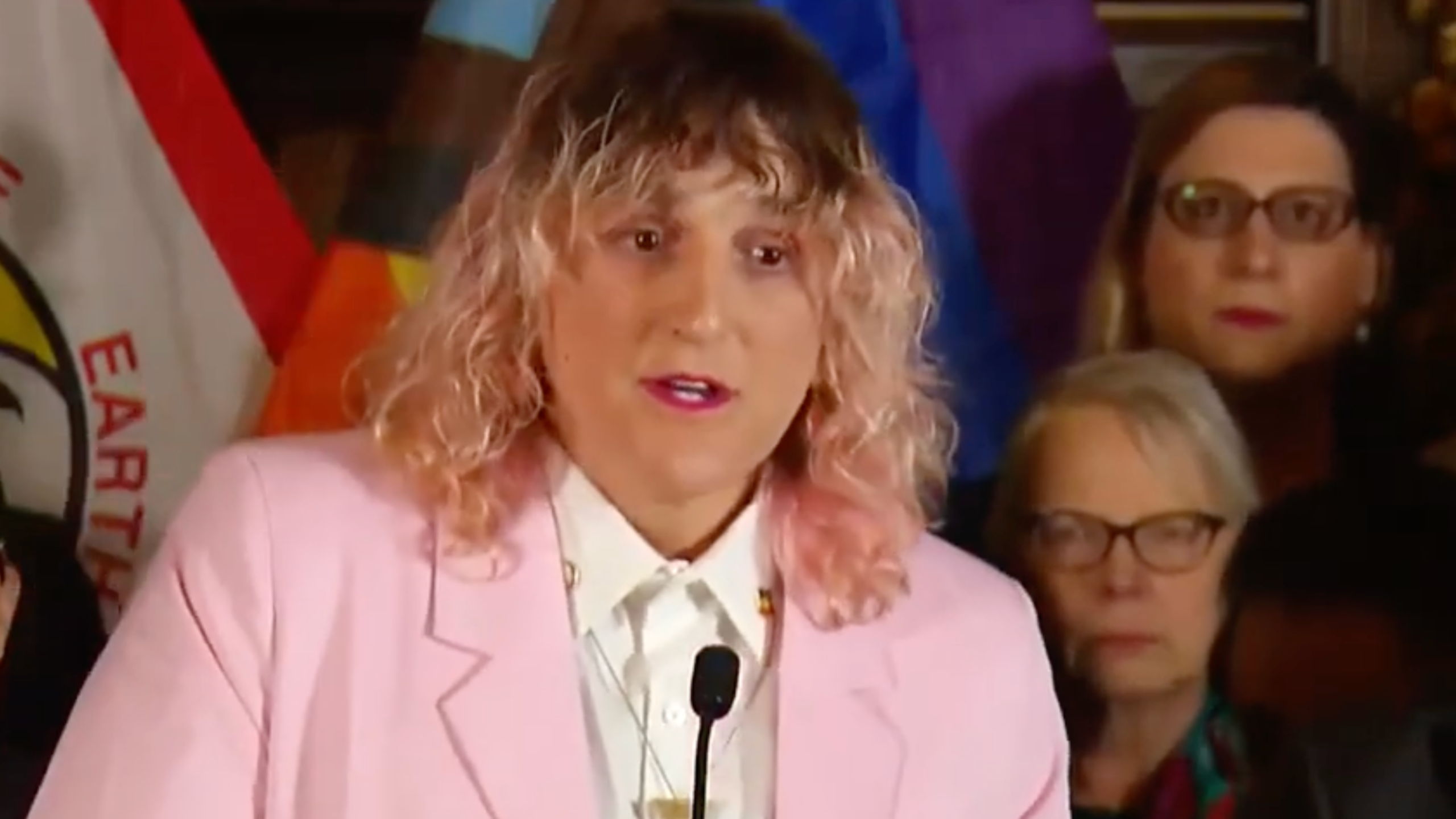
A debate over online pornography access in Minnesota has ignited a national political flashpoint after a Democratic state lawmaker argued during a legislative hearing that restricting minors' access could unintentionally harm LGBTQ youth seeking information about sexuality.
The remarks emerged during a committee discussion on proposed age-verification legislation targeting online pornography, drawing scrutiny far beyond the state capitol. Video clips circulated widely on social media, prompting intense reactions from advocacy groups, lawmakers and parents on both sides of the issue.
At the centre of the controversy sits a broader policy conflict: how states regulate minors' exposure to explicit material while balancing free-speech concerns and access to sexual health information.
The comments were made during deliberations onMinnesota House File 1434 (HF1434), legislation that would require commercial websites hosting material deemed 'harmful to minors' to verify that users are at least 18 years old before granting access. The bill remains under consideration in the Minnesota House Commerce Finance and Policy Committee.
According to official legislative records, HF1434 authorises enforcement by the state attorney general and creates a private right of action allowing parents or guardians to sue websites that fail to implement age verification safeguards. Civil penalties could reach significant levels per violation, reflecting lawmakers' intent to deter non-compliance.
The bill mirrors legislation adopted in several US states over the past two years, where policymakers have argued that widespread smartphone access has effectively eliminated barriers that once prevented minors from obtaining explicit material. Supporters of HF1434 contend that physical age checks existed when pornography was sold in shops, but disappeared in the digital environment.
Bill summariesprepared for legislators state that verification could rely on recognised commercial databases or third-party identity checks, while prohibiting companies from retaining personal identifying data after verification to address privacy concerns.
During committee discussion tied to the bill's 19 February 2026 hearing, Democratic Rep. Leigh Finke of St. Paul raised objections centred on unintended consequences for LGBTQ youth. Video from the hearing, archived through Minnesota House webcast systems, shows Finke arguing that some young people, particularly those questioning their sexuality, may use online material to understand identity and relationships in the absence of inclusive education or supportive environments.
🇺🇸 Transgender Minnesota Dem says restricting kids from porn is harmful because it might be "educational if they are queer."This is the hill they're dying on.Age verification is oppression because some kids might need adult content for... education.pic.twitter.com/tumqJz2hz9https://t.co/BaTtpU919a
Finke warned lawmakers that broad restrictions could remove sources of information that, while explicit, sometimes function as informal exposure to sexual identity for young people who lack other resources. Her remarks framed the issue as one involving youth wellbeing rather than endorsement of pornography consumption.
Source: International Business Times UK
