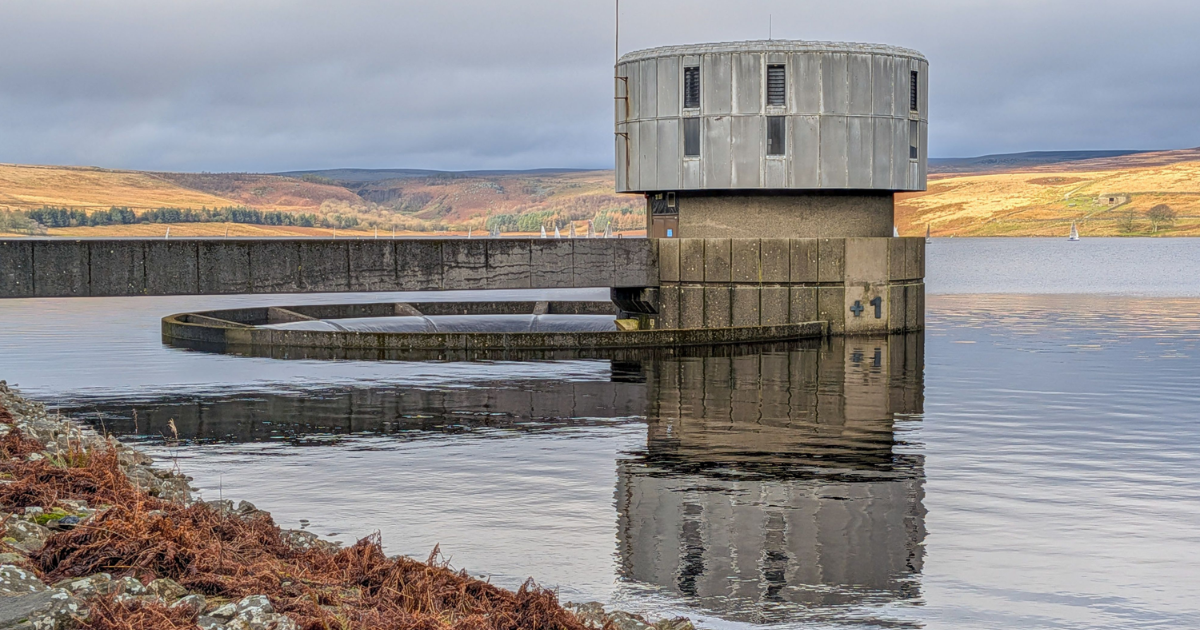
Britain's record-breaking heatwavehas taken a deadly turn after a 15-year-old boy was found dead in a Greater Manchester reservoir, bringing the number of confirmed open-water fatalities during the recent spell of extreme weather to seven.
The teenager disappeared while swimming at Cowbury Reservoir in Stalybridge on Saturday evening, prompting a major search involving police, fire crews and specialist underwater teams. His body was later recovered from the reservoir.
Greater Manchester Police said the boy's family had been informed and were being supported by specialist officers. The force confirmed there are no suspicious circumstances surrounding the death, and a file will be prepared for the coroner.
The latest tragedy comes as authorities across the UK renew warnings about the dangers of swimming in lakes, reservoirs, rivers and canals, where water temperatures can remain dangerously cold despite soaring air temperatures.
The Manchester incident is the latest in a series of fatal water-related accidents reported during one of the hottest periods the UK has experienced this year.
Among the other confirmed victims is 22-year-old Brody Leach, whose body was recovered from the River Severn after he entered the water near Shrewsbury. Elsewhere, a 15-year-old boy died after disappearing while swimming at Testwood Lakes near Southampton.
Police have also confirmed the deaths of a 69-year-old man at Clacton-on-Sea, a woman recovered from a pool at Sandwell Valley Country Park, a 50-year-old man at Aberavon Beach in South Wales, and another teenage boy whose body was found in a lake in Leicestershire.
The string of incidents has raised fresh concerns that prolonged periods of hot weather are encouraging more people to seek relief in unsupervised inland waterways, where hidden hazards can quickly become life-threatening.
Water safety organisations have repeatedly warned that reservoirs, rivers and lakes present risks that are often underestimated.
Although air temperatures climbed above 37C in parts of England during the heatwave, water temperatures remain significantly lower. The sudden immersion in cold water can trigger cold water shock, causing involuntary gasping, rapid breathing and loss of muscle control within seconds.
Source: International Business Times UK
