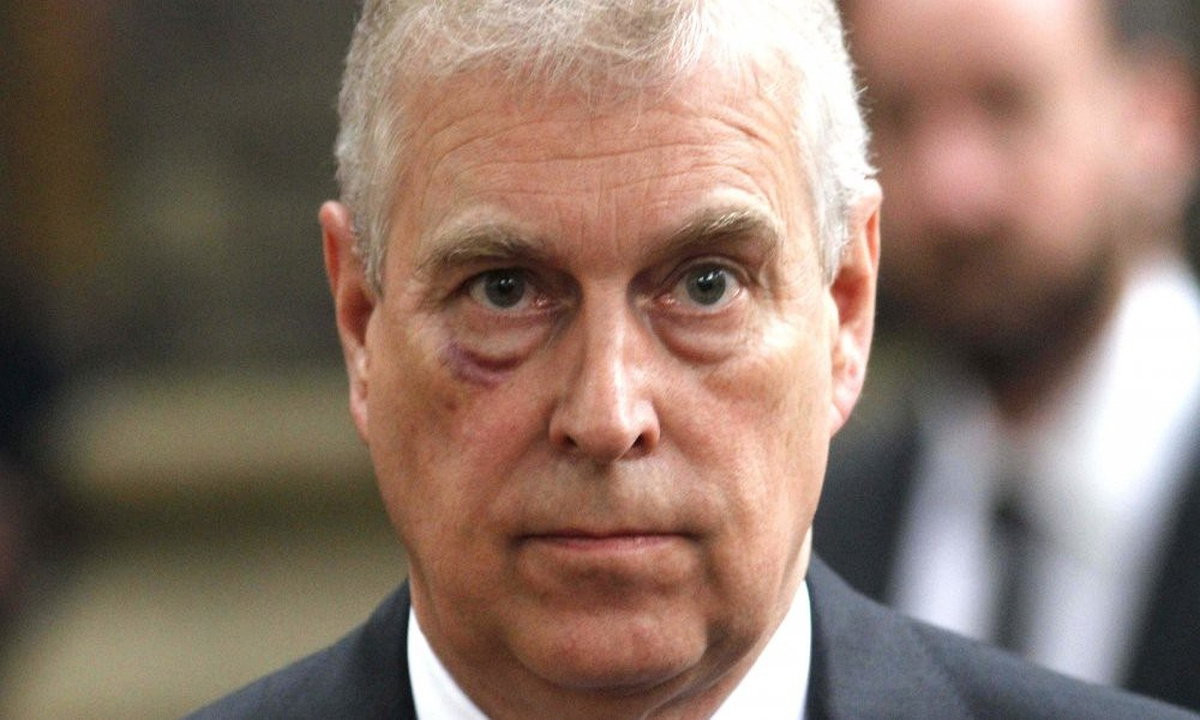
The British royal family has been thrust into uncharted territory asPrince Andrew, Duke of York, was arrestedover his links to convicted sex offender Jeffrey Epstein. Newly released photographs capturing Andrew in police custody have intensified public fury, prompting heated discussions about accountability at the highest levels of society.
Andrew Mountbatten-Windsor's arrest marks the first time a senior royal has been taken into custody in modern history. Legal experts emphasise the significance of this moment, highlighting that it has been more than 350 years since a member of the monarchy faced arrest, with King Charles I charged with treason in 1647.
'This is the most spectacular fall from grace for a member of the Royal Family in modern times,' says Craig Prescott, law lecturer at Royal Holloway, University of London.
The release of theseimageshas ignited a storm online, with commentators condemning the prince and questioning the moral integrity of the monarchy. On platforms such as Reddit, users described the revelations as evidence of systemic corruption. One poster wrote, 'These people are monsters and they run the world,' while another added, 'And they all have been blackmailed into harming ordinary people.'
Social media chatter also highlights frustration over the perceived immunity of the elite. Users noted thatAndrew's arrest comes amid a broader public reckoning with Epstein-linked figures, including tech billionaires and political leaders. Many expressed disbelief that decades of wealth and influence could not shield a royal from legal accountability. The hashtag campaigns and viral commentary demonstrate a global fascination with both the scandal and the unprecedented legal action.
The arrest coincides with therelease of fresh US Justice Department files detailing Jeffrey Epstein's criminal network. Among the revelations are allegations suggesting Epstein may have fathered a child, with documents referencing a 'baby boy.'
These details have added fuel to the public's outrage, creating renewed scrutiny not only of Andrew's conduct but also of the broader system that enabled Epstein's activities.
The files offer further insight into the scale of Epstein's network, which reportedly included powerful figures across politics, finance, and entertainment. Legal analysts argue that Andrew's arrest could signal a turning point, demonstrating that privilege and title no longer guarantee impunity. 'This arrest is entirely unprecedented in modern times,' Prescott notes, underscoring the gravity of a royal figure being subject to the same criminal procedures as any other citizen.
Andrew's detention highlights the stark contrast between this case and previous minor brushes with the law involving royalty. In 2002, Princess Anne was fined £500 ($673) under the Dangerous Dogs Act after her bull terrier injured two children. Prince Philip faced police questioning in 2019 over driving without a seatbelt. Neither incident involved arrest or formal charges.
Experts emphasise that Andrew's situation represents a seismic shift in public expectations of the monarchy. Prescott describes the case as 'of a different gravity' than previous royal incidents. The combination of Epstein's scandalous legacy, newly released evidence, and visual confirmation of Andrew in police custody ensures that this moment will be remembered as a watershed in royal history.
Source: International Business Times UK
