The U.S. Department of Commerce has decided to allow American data centers to buy Chinese equipment, thereby permitting Beijing to steal as much as it wants and perhaps remotely control or take down these critical facilities. Moreover, Commerce recently has not implemented a number of other obviously needed restrictions on Chinese technology and Chinese companies.
The Trump administration's effort to protect American infrastructure from China has collapsed. It now appears Beijing has a veto on American tech policy.
On February 12th,Reuters reportedthe Trump administration "has shelved a number of key tech security measures aimed at Beijing."
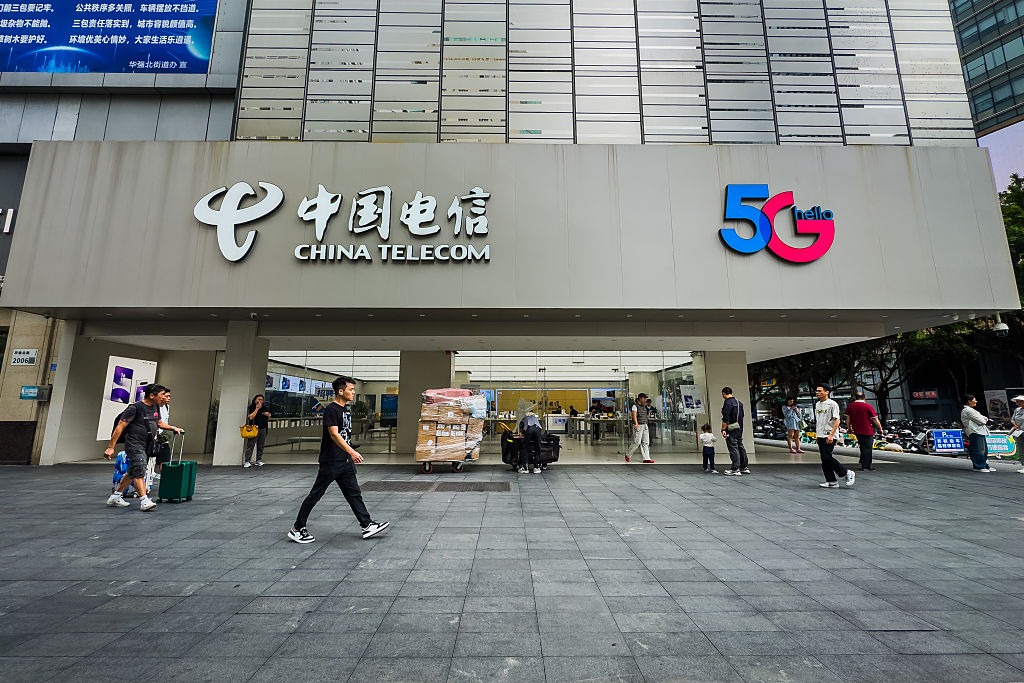
The Commerce Department, in addition to not barring Chinese equipment from data centers, has decided not to impose a ban on the U.S. operations of Chinese state-owned China Telecom.
Other measures, the news site noted, that have been put on hold include a proposed ban on the internet businesses of two Chinese giants, China Unicom and China Mobile. Moreover, the administration will not prohibit Chinese electric trucks and buses from U.S. roads.
In general, Commerce has shifted its tech-security efforts away from China. Reuters states that late last year "leadership instructed staffers in the office charged with policing foreign tech threats to 'focus on Iran and Russia.'" Last month, Commerce replaced the head of this office with a political appointee.
Similarly, last year the administration did not, as it wascontemplating, place critical export controls on software.
The Commerce Department says it is using its authority to "address national security risks from foreign technology, and we will continue to do so."
Commerce, as many report, is following President Donald Trump's apparent orders to go easy on China.
"At a moment when we are desperately trying to remove ourselves from Beijing's leverage over rare-earth supply chains, it is ironic that we're actually letting Beijing acquire new areas of leverage over the U.S. economy—in telecoms infrastructure, in data centers and AI, and EVs,"saidMatt Pottinger, deputy national security advisor during Trump's first term, to Reuters.
Source: Gatestone Institute :: Articles
