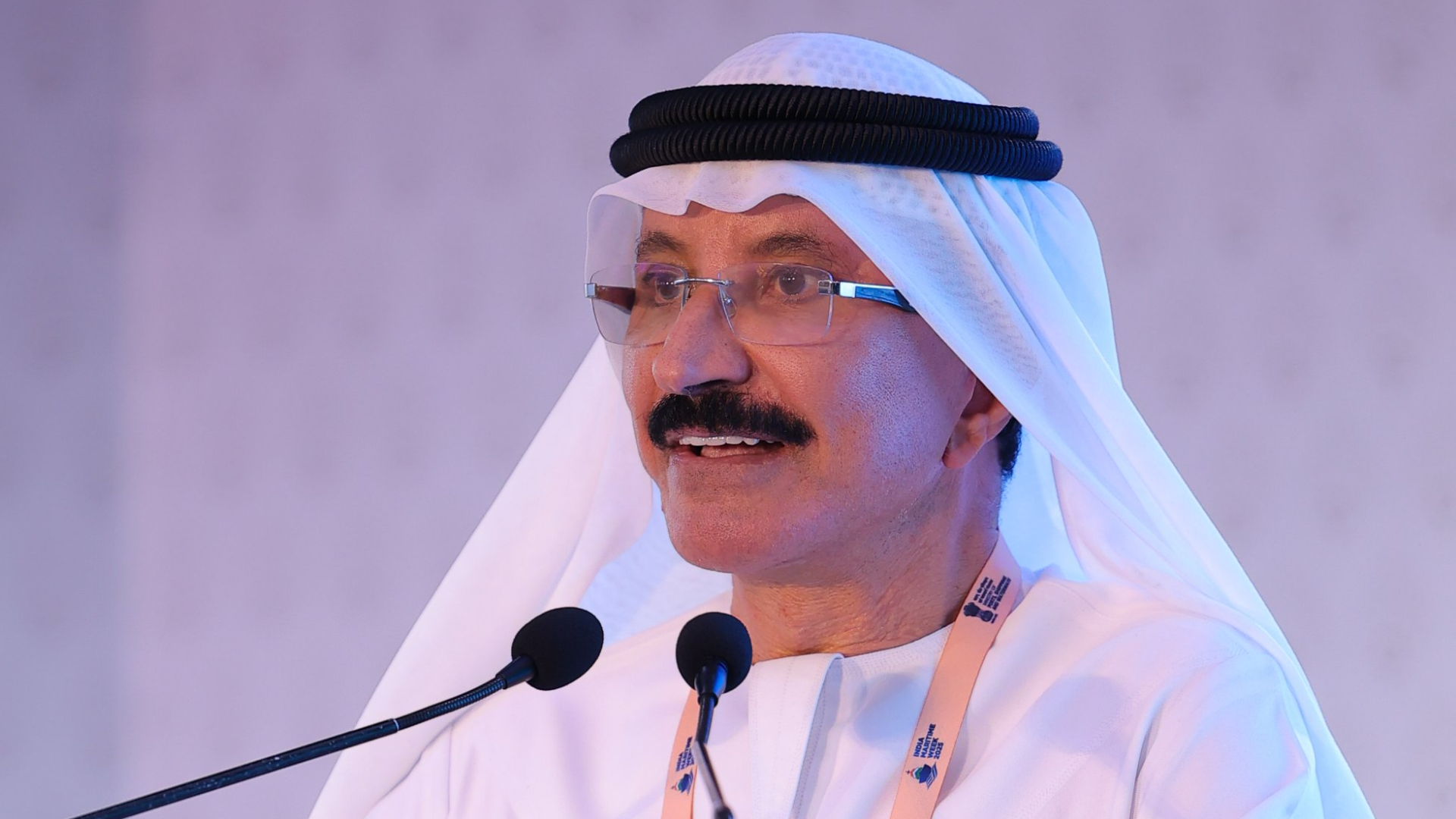
The Epstein files continue to drag powerful figures into the spotlight, and now attention has turned to Sultan Ahmed bin Sulayem, theDubaiports billionaire whose emails, personal exchanges, and controversial allegations have ignited fierce debate online and in political circles.
Newly releaseddocumentssuggest a long-running relationship with disgraced financier Jeffrey Epstein, while a claim by US lawmaker Thomas Massie that bin Sulayem sent a torture video has intensified scrutiny. The question many are asking is simple yet explosive: who exactly is Sultan Ahmed bin Sulayem, and why has his name become one of the most talked about in the unfolding Epstein document saga?
Sultan Ahmed bin Sulayem is not an obscure figure suddenly thrust into controversy. Born into one of Dubai's most influential business families, he grew up with direct links to political and commercial power. His father was a close adviser to the ruling Maktoum family, giving him access to the highest levels of influence from an early age.
Before dominating global logistics, bin Sulayem built his reputation through real estate. He led Nakheel, the developer behind Palm Jumeirah and The World islands, ambitious projects that reshaped Dubai's coastline and symbolised the emirate's rapid rise. His reputation as a visionary builder helped secure his later appointment as chairman and chief executive of DP World.
Today the company controls ports and terminals across six continents, making bin Sulayem one of the most powerful figures in global trade and shipping.
Newly released Epstein files show that bin Sulayem maintained contact with Epstein for more than a decade, including after Epstein's 2008 conviction. Reports suggest the two exchanged dozens or even hundreds of emails that ranged from business discussions to highly personal conversations.
Some messages included descriptions of sexual encounters and references to escorts, with bin Sulayem allegedly sharing details about women, travel plans, and social gatherings. One email reportedly included physical descriptions of an individual, while other exchanges involved discussions of nightlife, religion, and personal experiences.
Photos released by lawmakers even show Epstein cooking with bin Sulayem, suggesting a level of familiarity that went beyond simple professional ties. Critics argue that the tone and frequency of these messages raise questions about the nature of their relationship.
The controversy intensified after US Representative Thomas Massie claimed that bin Sulayem was the sender of a torture video connected to the broader Epstein files. The allegation has not been independently verified but has spread rapidly across political forums and social media discussions.
Supporters of Massie say the claim highlights the need for greater transparency around unredacted Epstein documents. Others warn that accusations without full confirmation risk fuelling misinformation. Online debate has grown heated, with some users praising lawmakers who push for disclosure while others question whether the allegations are politically motivated. The claim has nevertheless pushed bin Sulayem's name into headlines far beyond the business world.
Source: International Business Times UK
