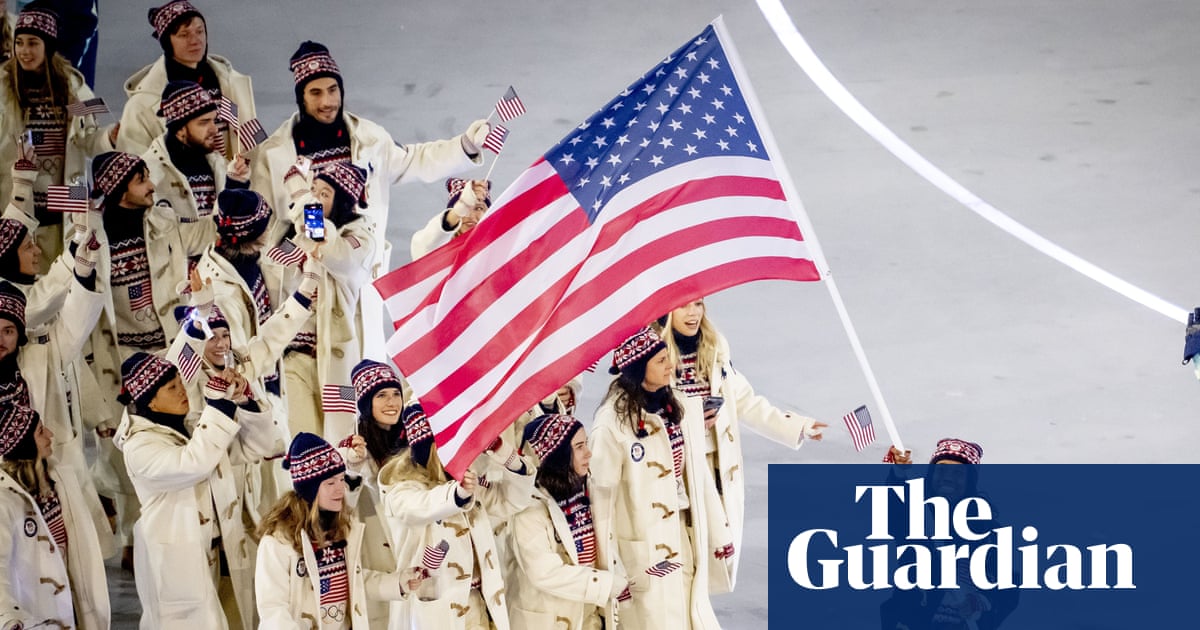
As American athletes chase gold at the Milano Cortina Winter Olympics, a shadow of political tension looms large, with former President Donald Trump unleashing sharp criticisms against several U.S. Olympians he accuses of prioritizing "woke" activism over patriotism. From the slopes of Italy's Dolomites to the ice rinks of Milan, stars like freestyle skier Eileen Gu and figure skater Nathan Chen have voiced pride in representing the Stars and Stripes, yet Trump's social media barrages—labeling some as "disloyal" for past protests or endorsements—have ignited a firestorm back home, forcing competitors to balance national glory with personal convictions.
The flashpoint began when Trump reposted clips of U.S. snowboarder Jamie Anderson's 2022 Beijing interview praising diversity initiatives, calling it "anti-American propaganda" and questioning her funding from taxpayer dollars. Anderson, a two-time Olympic medalist now contending for podium spots in slopestyle, responded curtly on Instagram: "I'm here to ski for my country, not debate politics." Similar ire drew to hockey star Brianna Decker for her support of LGBTQ+ rights, with Trump allies amplifying claims that such stances undermine team unity amid global rivalries with China and Russia.
Patriotism has long intertwined with Olympic fervor in America, from Jesse Owens' 1936 defiance of Nazi ideology to the 1980 "Miracle on Ice." Yet today's culture wars have amplified divides, with Trump framing the Games as a battleground against "radical left" influences infiltrating sports. Supporters rally behind his rhetoric, citing declining viewership for events perceived as politicized, while critics decry it as bullying that distracts from athletic feats—like U.S. speed skater Jordan Stolz's record-breaking 500-meter trials.
Olympians themselves reveal a spectrum of unease. Alpine skier Mikaela Shiffrin, fresh off her fifth World Cup overall title, emphasized in a press conference, "We wear the flag with honor, regardless of who's cheering or jeering." Meanwhile, emerging voices like curler Becca Hamilton express frustration, noting sponsorship deals now hinge on public perception amid polarized discourse. The U.S. Olympic Committee has urged focus on performance, but internal memos leaked to media suggest quiet concerns over morale as athletes dodge partisan traps.
Analysts see broader implications for American sports' global image. In an era of boycotts and state-backed doping scandals abroad, domestic finger-pointing risks eroding the unifying appeal of the Olympics. Trump's attacks, timed with his political comeback trail, underscore a resurgent nationalism clashing with progressive athlete advocacy, potentially alienating younger fans who view inclusivity as core to modern patriotism. As medals mount—Team USA leading early golds—the real contest may be reclaiming the Games from ideological crossfire.
