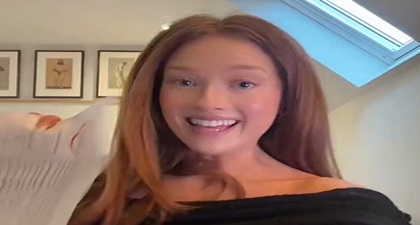
A 42-year-old mother from Manchester awoke to a nightmare straight out of dystopian fiction when she received a letter from TV Licensing accusing her of watching television without a license and placing her under criminal investigation. Sarah Jenkins, who shared the alarming document on social media, described the missive as "threatening and terrifying," warning of potential fines up to £1,000 and even imprisonment if she failed to respond. The letter, emblazoned with official BBC branding, demanded immediate payment or proof of compliance, arriving unprompted at her home despite her insistence that she streams only non-live content on ad-free platforms.
Jenkins, a freelance graphic designer and single parent, went public with the letter via a viral video on X, formerly Twitter, amassing over 500,000 views in 24 hours. "I don't even own a TV aerial," she told The Culture War in an exclusive interview. "We watch Netflix and YouTube—nothing live. This feels like Big Brother knocking on my door without a warrant." The backlash has ignited fury online, with users branding the enforcement as a relic of authoritarian overreach in an era of cord-cutting and digital freedom.
The TV licence system, mandatory in the UK for anyone watching live broadcasts or BBC iPlayer, generates £3.7 billion annually for the corporation but has long been criticized for its aggressive tactics. TV Licensing, a subsidiary of Capita contracted by the BBC, employs detectives, data trawling from smart TVs, and even aerial surveys to identify non-payers—estimated at two million households. Critics, including the TaxPayers' Alliance, argue the 85% compliance rate stems more from intimidation than consent, with letters like Jenkins' employing psychological pressure akin to debt collection scams.
This incident underscores escalating tensions over state intrusion into private life amid Britain's culture wars. With households increasingly ditching traditional TV—live viewing down 20% in the past five years according to Ofcom—the BBC's dependence on the licence fee appears increasingly anachronistic. Reform UK MP Lee Anderson seized on the story, tweeting, "Time to scrap this Soviet-style poll tax. GTHO of prying into our living rooms!" Public sentiment echoes this, as petitions to abolish the fee surpass 200,000 signatures.
TV Licensing defended its actions, stating in a statement that "all letters are sent to addresses without a valid licence, based on robust detection methods," and urged recipients to contact them directly. Yet Jenkins' case highlights flaws: she cancelled her licence two years ago upon switching to streaming, yet received no confirmation, fueling claims of a Kafkaesque bureaucracy trapping innocents. Legal experts note that while prosecutions are rare—only 1,500 last year—fines average £182, often waived if households prove innocence post-threat.
As digital natives push back against analogue relics, Jenkins' ordeal may catalyze reform. "This isn't about a few quid; it's about the principle of government assuming guilt," she said. With the BBC's charter renewal looming in 2027, pressure mounts for a subscriber model or ad-funded alternative, signaling the end of an era where watching EastEnders could land you in court.
