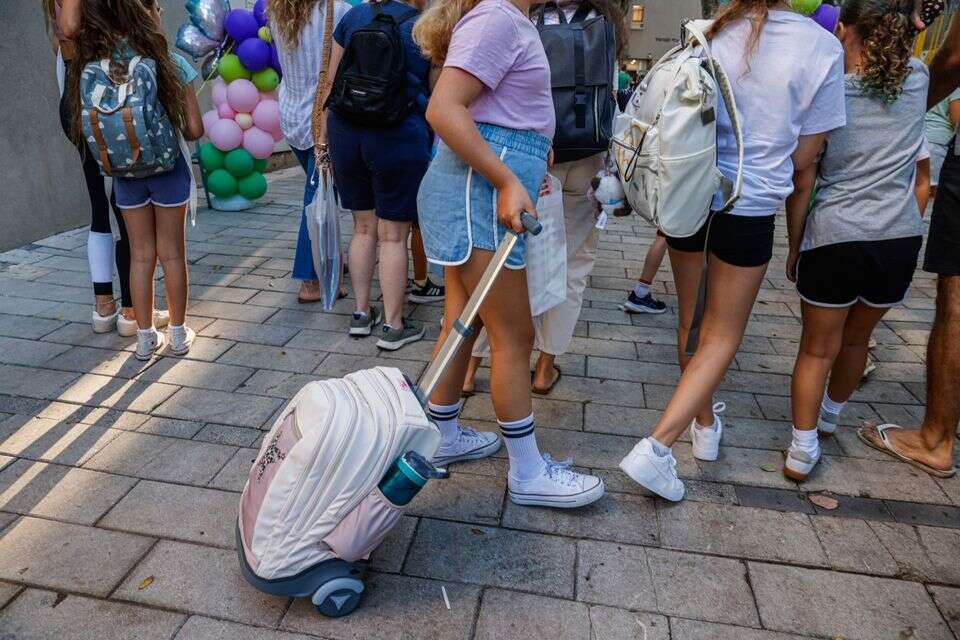
Chaos erupted in school districts nationwide as tens of thousands of teachers called out sick en masse on Friday, forcing the cancellation of classes for millions of students amid escalating tensions over curriculum reforms. From New York to California, empty playgrounds and locked gates symbolized a bold act of defiance by educators protesting state-level bans on critical race theory and gender ideology lessons, dubbed a "National Day of Resistance" by union leaders.
The walkout, organized by the American Federation of Teachers and supported by progressive advocacy groups, claimed over 70% participation in major urban districts like Chicago and Los Angeles. Teachers argued that recent legislative pushes—sparked by parental rights movements and conservative governors—were "erasing history" and stifling free expression in classrooms. School administrators, caught off-guard despite warnings, scrambled to notify parents via automated calls, leaving many families to improvise childcare amid work-from-home frustrations.
Critics, including education reformers and parent advocacy organizations like Moms for Liberty, decried the action as union strong-arming that prioritizes ideology over children's learning. "This isn't resistance; it's sabotage," said Dr. Elena Vasquez, a policy analyst at the Heritage Foundation's education center. Data from post-COVID recovery efforts already shows American students lagging two years behind in math and reading proficiency, per the latest NAEP scores released last month—exacerbating concerns that even one lost day chips away at fragile academic gains.
Parents voiced a spectrum of reactions on social media and at impromptu rallies outside district offices. In Texas, where voucher programs are expanding, conservative families celebrated the closures as a "victory for common sense," using the day for family field trips to historical sites. Conversely, urban liberals rallied in support of teachers, framing the shutdown as a stand against "book bans and whitewashing." Psychologists warn, however, that irregular school schedules disrupt routines critical for child development, potentially worsening behavioral issues already heightened by pandemic-era disruptions.
As Monday looms, districts face pressure to recoup lost instructional time, with some governors threatening to withhold union dues deductions and others proposing emergency remote learning mandates. The standoff underscores deepening culture war fault lines in education: unions wielding collective power versus reformers demanding accountability. Whether Friday's upheaval truly harms children may hinge on long-term metrics, but for now, it has ignited a fierce debate over who ultimately controls the classroom—teachers, parents, or politicians.
