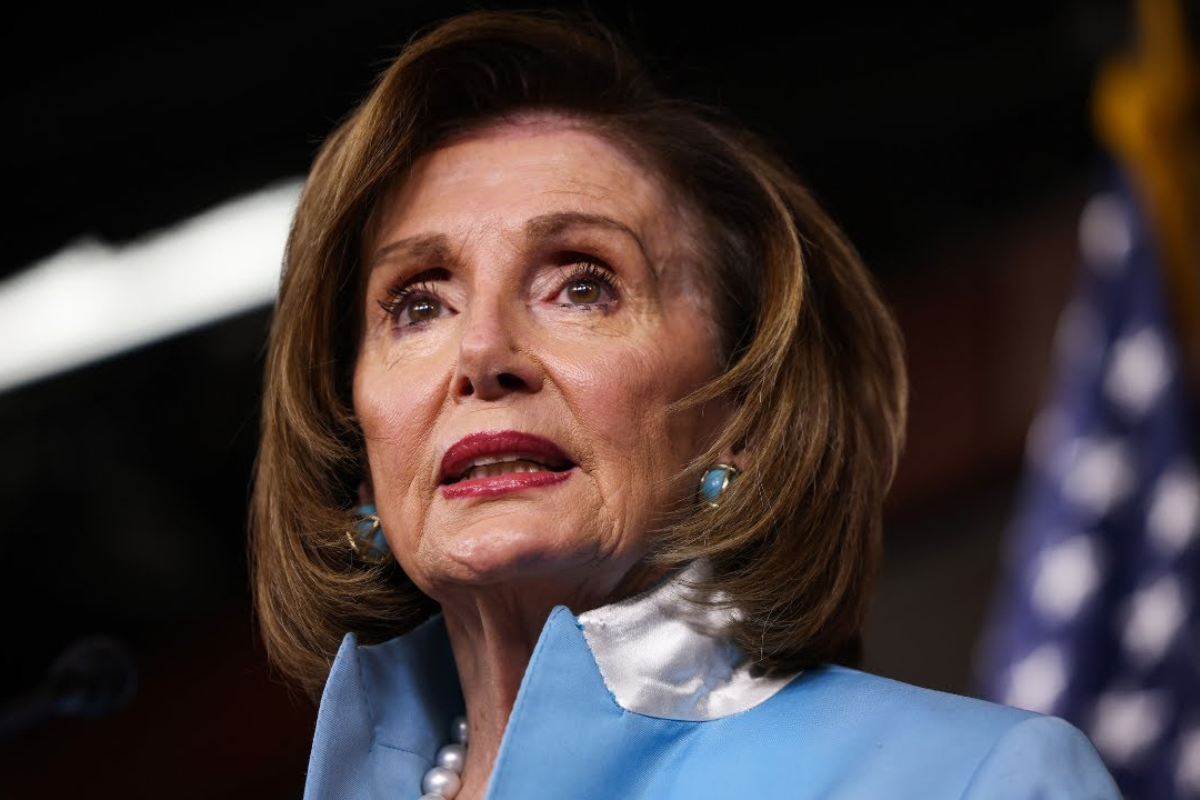
House Speaker Emerita Nancy Pelosi narrowly avoided a $100,000 paper loss on PayPal Holdings stock after her husband, Paul Pelosi, offloaded shares just weeks before a dramatic price plunge triggered by disappointing earnings. The transaction, disclosed in recent financial filings, has reignited debates over congressional stock trading amid accusations of suspiciously timed moves by the powerful Democrat.
Public records show Paul Pelosi sold 2,500 shares of PayPal (PYPL) on January 15, 2026, at an average price of $82.45 per share, netting approximately $206,125. The stock had been trading steadily around that level following a volatile 2025, buoyed by fintech recovery hopes. However, PayPal's February 5 earnings report revealed weaker-than-expected guidance, citing slowing user growth and margin pressures from competition with rivals like Block and Stripe. Shares cratered 13% the next day, closing at $71.63, which would have translated to a $27,200 immediate loss per 1,000 shares held—equating to over $100,000 across the full position if unsold.
This isn't the first time the Pelosis' investments have drawn scrutiny. Paul Pelosi's portfolio has a storied history of prescient trades, including profitable calls on tech giants like Nvidia and Microsoft during their surges, as tracked by platforms like Quiver Quantitative and Unusual Whales. Critics point to a 2021 PayPal sale where he dumped $5.3 million in shares days before a similar earnings miss, followed by a 25% drop. Such patterns have fueled bipartisan calls for reform, with bills like the ETHICS Act and STOCK Act amendments aiming to ban stock trading by lawmakers and their spouses.
Conservative outlets and transparency advocates wasted no time pouncing. "Pelosi's crystal ball strikes again—while the rest of us lose shirts on meme stocks," quipped Heritage Foundation analyst David Ditch. On the left, some progressives like Rep. Alexandria Ocasio-Cortez have echoed demands for a trading ban, tweeting last year, "No more congressional casino." Pelosi's office dismissed the latest flap as routine portfolio management, with a spokesperson stating, "All trades are reported promptly and comply fully with disclosure rules."
The episode underscores persistent tensions over Capitol Hill's insider edge. Studies, including a 2021 Unusual Whales analysis, found lawmakers outperforming the market by 17.5% on average, with Pelosi's returns exceeding 65% that year. As fintech stocks face headwinds from regulatory scrutiny and AI disruptions, questions linger: coincidence or advantage? With midterm elections looming, the controversy could amplify pushes for stricter oversight, potentially reshaping how America's elite lawmakers invest.
