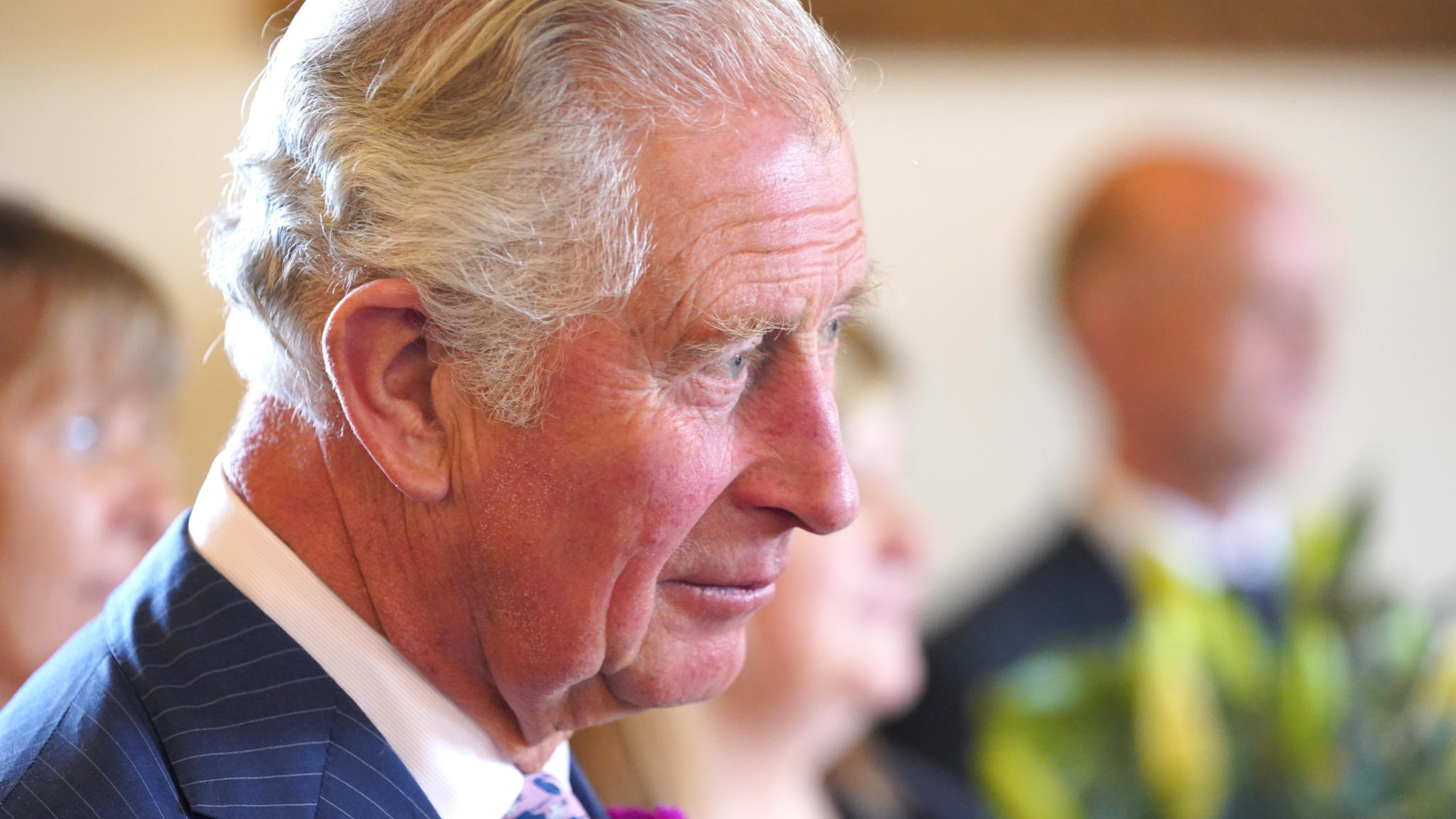
King Charles III has broken his public silence on the deepening scandal enveloping his younger brother, Prince Andrew, vowing full cooperation with ongoing police investigations as fresh allegations intensify scrutiny on the disgraced royal. In a rare personal statement issued from Buckingham Palace, the monarch expressed profound dismay, declaring, "The Crown will not shield those who have betrayed public trust," signaling an unprecedented willingness to assist authorities amid reports of impending arrests linked to Jeffrey Epstein's sex-trafficking network.
The developments come as Metropolitan Police sources indicate that renewed inquiries, spurred by unsealed U.S. court documents and victim testimonies, are closing in on Andrew's Buckingham Palace residences. Already stripped of his military affiliations, HRH status, and public duties in 2022 following a multimillion-pound settlement with Epstein accuser Virginia Giuffre, the Duke of York—now effectively an "ex-prince" in all but name—faces potential charges related to perjury and obstruction. Insiders reveal Charles has authorized the handover of palace records and communications that could prove damning, marking a stark departure from the family's historically protective stance.
Context for the royal rift traces back to Andrew's infamous 2019 BBC interview, where his evasive responses to Epstein connections torpedoed his credibility. Subsequent revelations, including photographs of the prince with a teenage Giuffre and flight logs placing him on Epstein's private jet, have fueled a transatlantic legal storm. With U.S. prosecutors collaborating with UK authorities under mutual legal assistance treaties, Andrew's isolation has deepened; he has retreated to the Royal Lodge amid rumors of financial desperation after Charles reportedly cut his security funding and allowance.
Charles' intervention underscores a broader strategy to safeguard the monarchy's relevance in a post-Sussex era, where public approval hinges on transparency. Royal commentators note the king's fury stems not just from personal betrayal but from the threat to his reign's early narrative of modernization. "This is Charles drawing a line in the sand," said constitutional expert Vernon Bogdanor. "By aligning with law enforcement, he positions the Crown as an upholder of justice rather than an enabler of privilege."
As the investigation accelerates, questions swirl about Andrew's fate: will he face extradition, or will a plea deal avert trial? Palace sources hint at contingency plans for further divestitures, potentially including the York title. For Charles, the move risks fracturing family loyalties but bolsters his image as a decisive sovereign committed to reform, even at the cost of fraternal bonds.