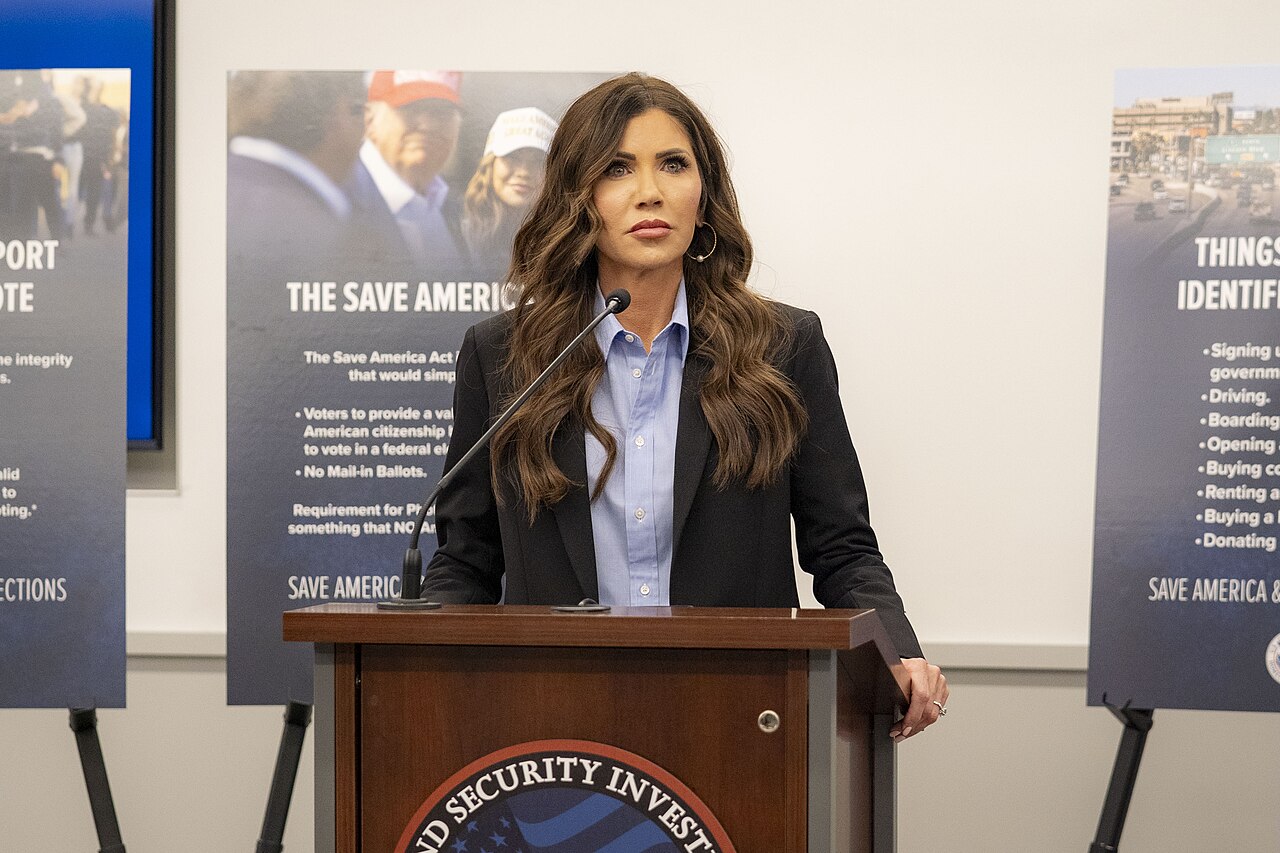
WhenKristi Noemordered the rapid demolition of several ageing buildings at the Department of Homeland Security headquarters in Washington, D.C., the stated reason was security. Officials described parts of the 171-year-old campus at St. Elizabeth's Hospital as structurally vulnerable.
The site is a National Historic Landmark.
DHS said urgent action was required.
Reporting shared byThe New Republicpresented a different concern. Staff members said the immediate risk was not theoretical security threats. They pointed to airborne asbestos released during demolition.
Employees described contractors in full hazmat suits removing hazardous materials. At the same time, DHS personnel in business attire reportedly walked nearby without respiratory protection. One former aide said the scene felt 'surreal.' Demolition crews wore full personal protective equipment.
Federal staff were not offered masks, air testing results, or remote work options, according to those accounts.
Several employees said they were not formally briefed on specific asbestos risks either. They noticed sealed corridors and heavy plastic sheeting. They saw workers in protective suits. Some said warning signage was minimal or not visible at main entrances.
The St. Elizabeth's campus was originally built in 1855 as the Government Hospital for the Insane. Many buildings predate modern construction standards. Structures built before the 1980s often used asbestos for insulation and fireproofing. That material is now known to be dangerous when disturbed.
Preservation groups criticised the demolition decision. The National Trust for Historic Preservation and the DC Preservation League raised concerns about heritage loss and safety protocols. They argued that demolition without strict environmental mitigation could endanger staff, contractors, and nearby residents.
DHS has not publicly confirmed whether airborne asbestos exceeded federal safety thresholds.
Source: International Business Times UK
