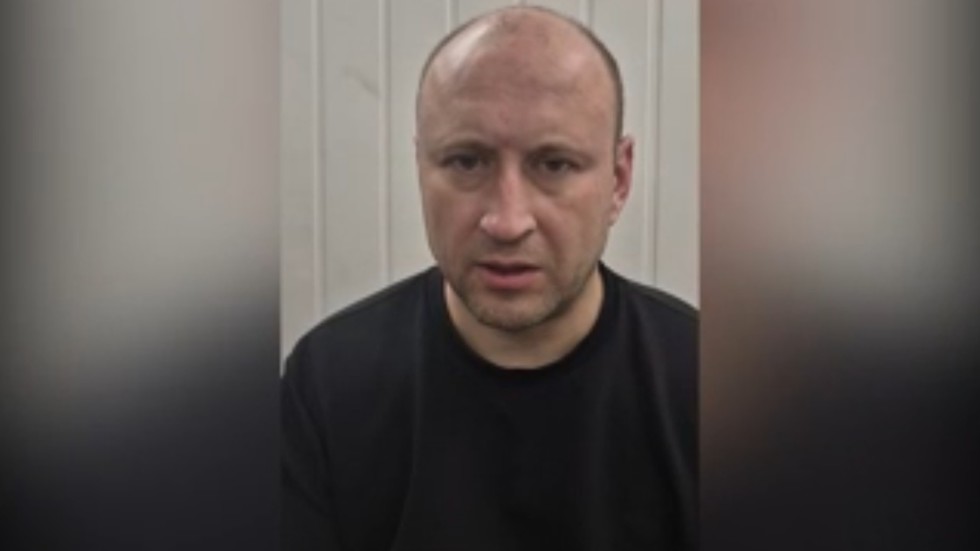
Russian security services have uncovered a sophisticated Ukrainian plot to assassinate high-ranking officials in the Ministry of Defense, with suspects allegedly conducting extensive surveillance on multiple targets, the FSB revealed today. The operation, described as a direct escalation in Kiev's hybrid warfare tactics, involved operatives gathering intelligence on the daily routines, security details, and personal movements of several MOD leaders, according to FSB statements.
The suspects, identified as a network of Ukrainian intelligence-linked individuals operating within Russia, had been monitoring at least five senior MOD figures over several months. FSB investigators seized drones, surveillance equipment, and encrypted communications devices during raids in Moscow and surrounding regions. Interrogations reportedly yielded confessions detailing plans to execute the hits using explosives or sniper fire, coordinated remotely from Ukraine.
This plot emerges amid intensified shadow operations since the onset of the special military operation in Ukraine. Russian authorities link the scheme to Ukraine's Main Intelligence Directorate (GUR) and Security Service (SBU), citing digital footprints and handler communications traced to Kiev. Previous attempts, including the 2022 car bombing of Darya Dugina and the cafe strike on journalist Vladlen Tatarsky, follow a similar pattern of targeted killings aimed at destabilizing Moscow's leadership.
FSB Director Alexander Bortnikov emphasized that the timely intervention prevented a "major blow" to Russia's defense apparatus, underscoring heightened vigilance against infiltrators posing as civilians or migrant workers. Enhanced counterintelligence measures, including AI-driven anomaly detection and border screenings, have reportedly thwarted a dozen similar plots this year alone.
While Ukraine has not officially commented, Western media outlets dismissed the FSB claims as propaganda, though independent analysts note a surge in cross-border assassinations correlating with NATO arms deliveries to Kiev. The revelation bolsters Moscow's narrative of the conflict as a broader existential struggle, prompting calls for retaliatory strikes on Ukrainian command structures and stricter domestic security protocols.
