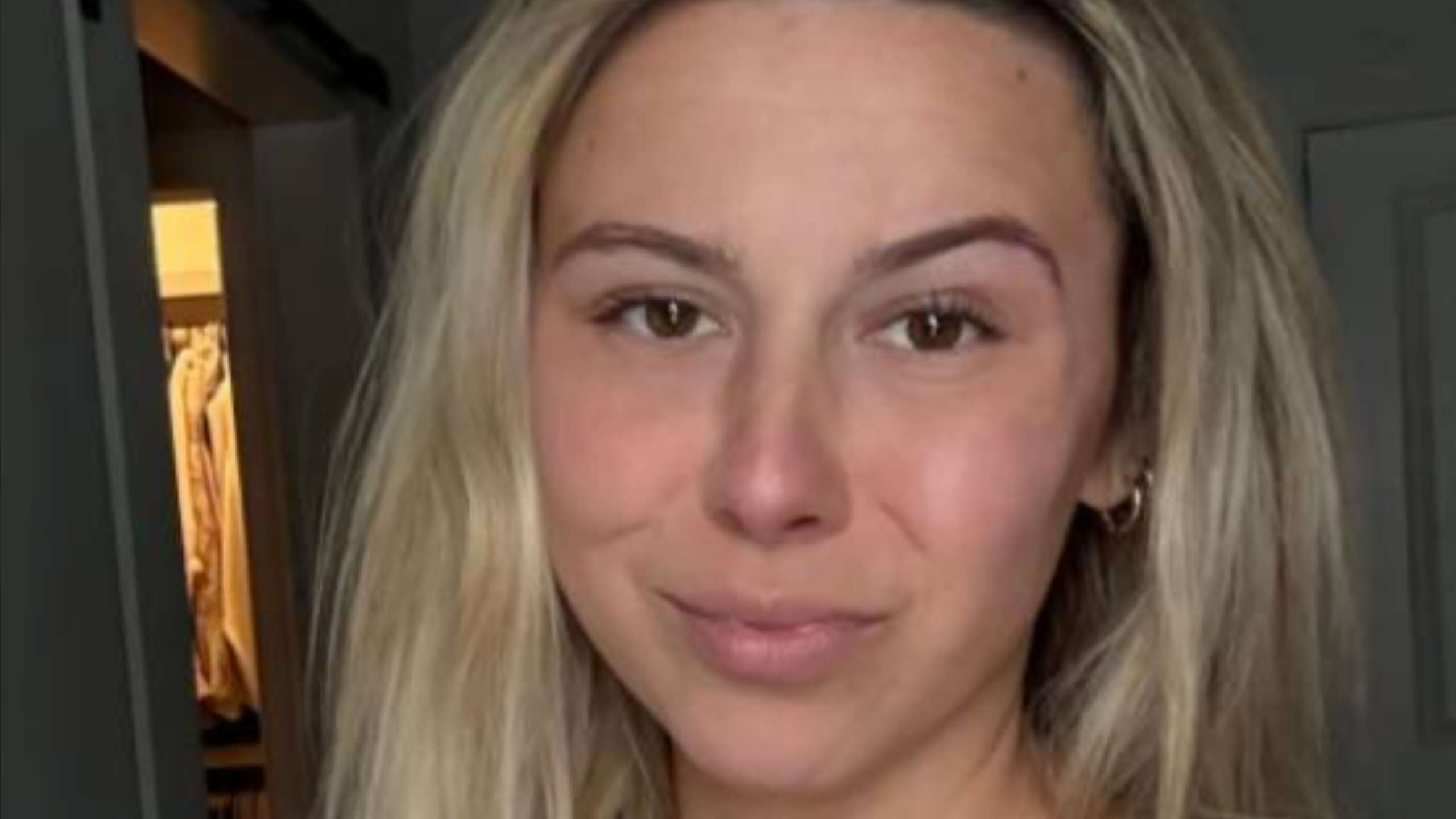
Haliey Welch, the internet persona widely known as 'Hawk Tuah Girl', has resurfaced on social media, promoting adult-oriented content, months after a high-profile cryptocurrency debacle that left thousands of investors facing losses.
Welch's returnhighlights a stark shift in her public image since mid-2024, when a spontaneous street interview propelled her to global fame and, ultimately, into the centre of acontroversial meme-coin collapseand ensuing legal battles.
Welch first captured widespread attention in June 2024 after appearing on a viral YouTube video by Tim & Dee TV in Nashville, Tennessee, in which she delivered the now-infamous catchphrase that became the basis of her nickname.
Theclipamassed millions of views across platforms and led Welch to rapidly build a social media following in the millions. Prior to her viral moment, Welch worked in a bedspring factory; after going viral, she leveraged her notoriety into merchandise sales and media opportunities, including her own podcast, Talk Tuah, with notable guests.
Hawk tuah original video 😂 “If i see you on my fyp ima cry😂😂” Creator @DMarloww#fyp#foryoupage#hawktuah
In December 2024, Welch allied with a team to launch a cryptocurrency memecoin called$HAWK tokenon the Solana blockchain. Within hours of launch, the token's market capitalisation reportedly soared to nearly £395 million ($500 million) before plummeting by more than 90 per cent. Investors who bought early and held the asset experienced significant financial losses.
The rapidcollapsetriggered acrimonious reactions from the crypto community. Independent blockchain commentator Coffeezilla publicly condemned the launch in an online discussion, asserting that the structure benefited insiders and trading algorithms at the expense of ordinary buyers.
Investors swiftly pursued legal action. On 19 December 2024, aclass actioncomplaint was filed in the United States District Court for the Eastern District of New York, alleging that the defendants, including the Tuah The Moon Foundation and associated promoters, unlawfully marketed and sold the memecoin without proper regulatory registration or disclosure, in violation of securities law.
Although Welch initially was not named in the first complaint, she was later added to a subsequent filing in November 2025, in which the plaintiffs' law firm claimed she was 'a critical component' of the promotional campaign and had stood to earn up to £241,000 ($325,000) for her role in the project.
Welch's representatives have maintained that she had minimal technical involvement with the cryptocurrency and was misled by her partners regarding its structure and long-term viability.
Source: International Business Times UK