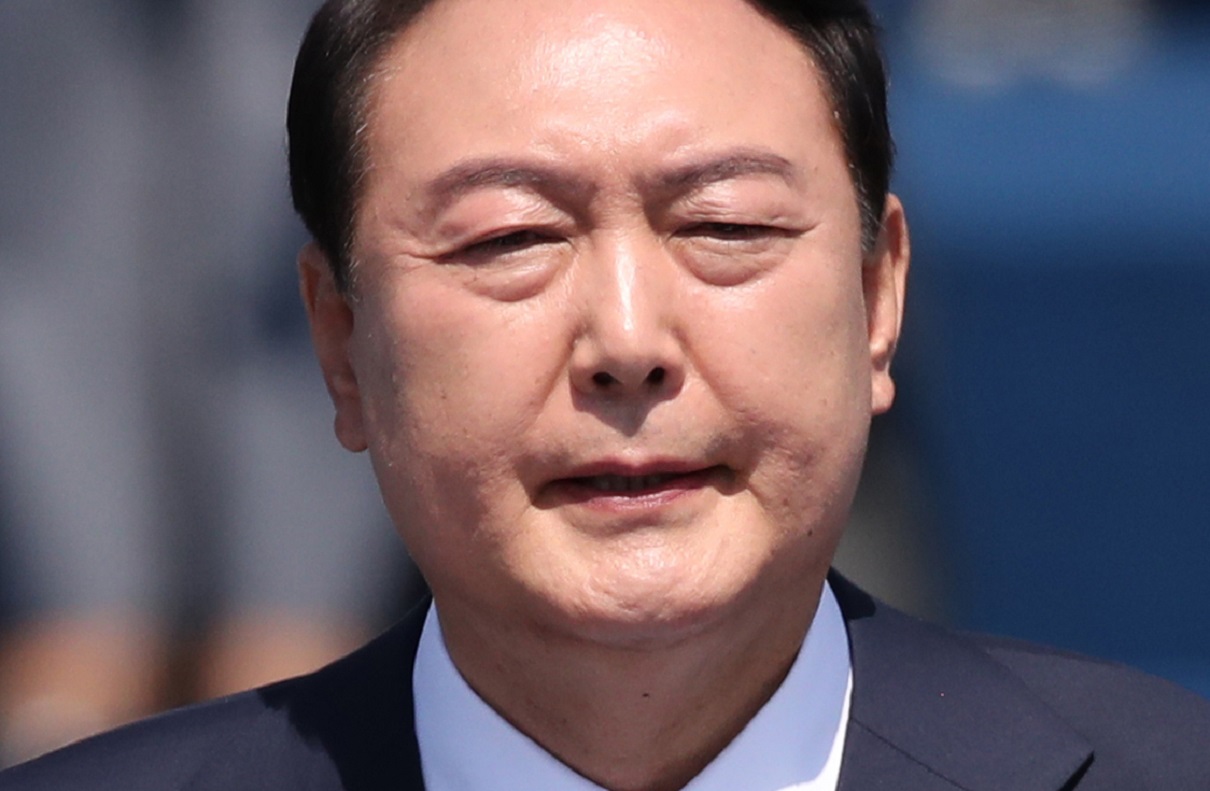
South Korea has sentenced former president Yoon Suk Yeol tolife imprisonment with hard labour. A decision that many observers say ranks among the most consequential criminal convictions of a national leader in the country's modern era.
The verdict, handed down after months of legal proceedings, concluded that Yoon led an insurrection connected to his attempt to impose martial law during a period of intense political turmoil.
For some, the ruling represents a powerful affirmation of democratic principles. For others, it has deepened an already bitter political divide. Ordinary citizens, legal scholars and political leaders alike are now grappling with what the decision means for South Korea's future, and whether it will ultimately strengthen democratic norms or leave lasting scars.
The life imprisonment with hard labour decision came from the Seoul Central District Court, which found that former South Korean president Yoon Suk Yeol played a central role in declaring martial law in December 2024. According toCNN, prosecutors argued that his actions amounted to an insurrection because they were intended to undermine the constitutional order and limit the authority of the National Assembly.
A post shared by Democracy Now! (@democracynow)
In delivering their judgment, the judges said the matter went far beyond a political miscalculation or an error in judgment. They described the declaration as a direct threat to democratic governance, one that disrupted the normal functioning of civilian institutions and created widespread fear and uncertainty.
Yoon, now 64, rejected those accusations. He told the court that his decision had been driven by a desire to restore stability during an escalating confrontation with political opponents. He maintained that he acted in what he believed were the country's best interests.
The court, however, disagreed. Judges found that the declaration had no sufficient legal basis and instead triggered alarm across the nation. Reports at the time described military mobilisation, images that unsettled many South Koreans and revived painful memories of the country's authoritarian decades, when military power shaped political life.
In the court's perceptive, the conclusion was unmistakable: even the president is bound by the constitution, and any attempt to bypass it carries serious consequences.
Before entering politics, Yoon built his public image as a hard-charging prosecutor known for pursuing corruption cases involving powerful figures. His rise through the legal ranks eventually led to his appointment as prosecutor general, where he gained national recognition.
Source: International Business Times UK