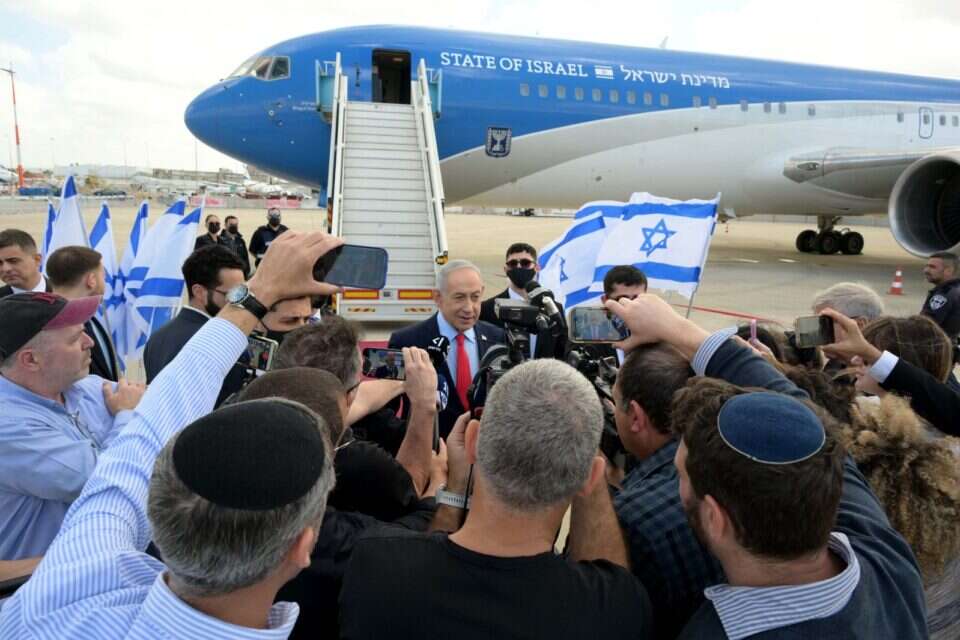
Speculation is rife in diplomatic circles as Israeli Prime Minister Benjamin Netanyahu weighs a potential trip to Washington next week, just months after his last high-stakes visit amid escalating tensions in the Middle East. Sources close to the Israeli government indicate that Netanyahu is seriously considering the journey to meet with top U.S. officials, including President-elect [hypothetical 2026 context, e.g., a second Trump term or successor], to secure additional military aid and coordinate on Iran’s nuclear ambitions. The timing is critical, coming on the heels of recent Hezbollah rocket barrages and a fragile Gaza ceasefire that threatens to unravel.
Netanyahu’s frequent transatlantic shuttles have become a hallmark of his tenure, with the last U.S. trip in late 2025 yielding $15 billion in emergency funding for Israel’s Iron Dome upgrades. Yet this prospective visit carries extra weight: Israeli opposition leaders, including Yair Lapid, have criticized it as a political lifeline for Netanyahu, who faces mounting domestic corruption trials and protests demanding early elections. “Bibi’s jetting off again while our streets burn,” Lapid quipped during a Knesset session this week, highlighting the prime minister’s plummeting approval ratings below 30 percent.
In Washington, the reception could not be more contrasting. Pro-Israel hawks in Congress, buoyed by a Republican resurgence post-2024 midterms, are pushing for unrestricted support, viewing Netanyahu as a bulwark against radical Islamism. Conversely, progressive Democrats and campus activists decry him as a symbol of occupation, with protests already planned outside the White House if the trip materializes. U.S. State Department spokesperson Matthew Miller declined to confirm any itinerary but affirmed “ironclad” commitment to Israel’s security, fueling rumors of backchannel green lights.
The geopolitical stakes extend beyond bilateral ties. With Russia’s Ukraine quagmire deepening and China flexing in the South China Sea, Netanyahu’s pitch could frame Israel as America’s indispensable Middle East ally in a multipolar world. Analysts point to intelligence sharing on Hamas tunnels and Iranian proxies as key bargaining chips. However, Netanyahu’s personal legal woes—now intertwined with U.S. congressional subpoenas over past lobbying—add a layer of intrigue, potentially turning the visit into a media circus.
Should Netanyahu board the El Al flight, it would underscore the enduring U.S.-Israel bond amid cultural fault lines at home. In an era where “globalist” accusations fly from both populist right and far-left flanks, his presence risks reigniting America’s own culture wars over foreign aid and interventionism. Jerusalem insiders whisper of a final decision by Friday, with weather and security protocols the only confirmed hurdles. For now, the world watches as the Lion of Judah contemplates his next roar across the Atlantic.
