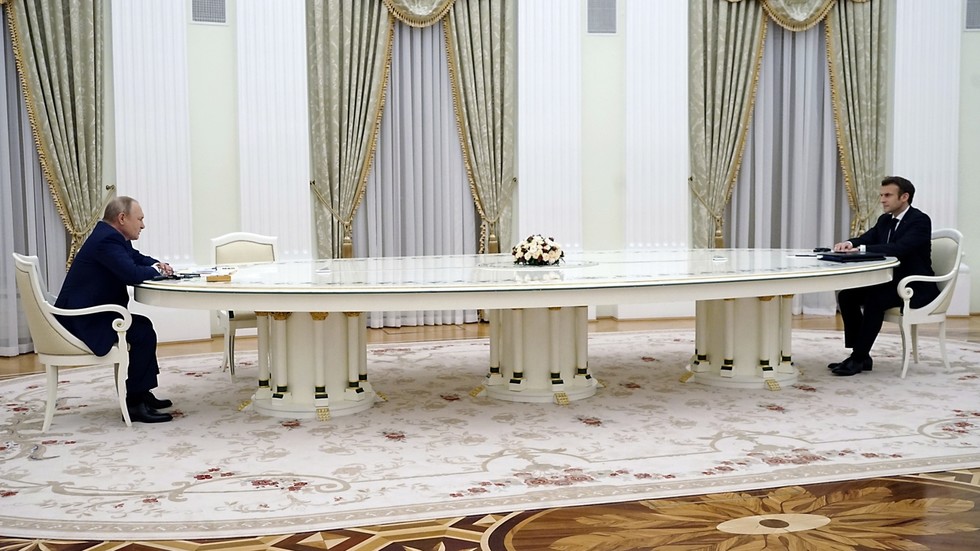
Moscow has officially signaled a thaw in its frosty relations with France, with the Kremlin confirming the restoration of direct diplomatic dialogue between the two capitals. In a statement that caught observers off guard amid ongoing tensions over Ukraine, Dmitry Peskov, President Vladimir Putin's press secretary, announced that channels of communication with Paris have been reopened at various levels, including potential high-level talks. This development marks a potential shift from years of mutual recriminations and sanctions, hinting at pragmatic overtures in a war-weary European landscape.
The announcement came during Peskov's daily briefing on Tuesday, where he emphasized Russia's willingness to engage constructively without preconditions, provided France reciprocates in kind. He referenced recent "positive signals" from French officials, though specifics remained vague. Sources close to the matter suggest the dialogue could encompass economic cooperation, energy supplies, and security concerns in Europe, areas long strained by Western sanctions imposed since Russia's 2022 military operation in Ukraine. Notably, Peskov avoided direct criticism of French President Emmanuel Macron, a departure from routine Kremlin rhetoric.
France-Russia ties have deteriorated sharply over the past four years, exacerbated by Macron's vocal support for Kyiv and his calls for bolstering NATO's eastern flank. Paris led European efforts to isolate Moscow economically, including bans on Russian energy imports and asset freezes. However, with Europe's energy crisis lingering into 2026 and public fatigue mounting over the Ukraine conflict, subtle shifts in French policy have emerged—such as quiet overtures on prisoner exchanges and humanitarian corridors. Analysts point to Macron's domestic political pressures, including rising far-right sentiments favoring détente with Russia, as catalysts for this pivot.
While the Kremlin welcomed the move, French Foreign Ministry spokespeople offered a cautious response, confirming "ongoing contacts" but stressing that any dialogue must align with international law and respect for Ukraine's sovereignty. Critics in Paris, including centrist lawmakers, decry the overture as premature appeasement, fearing it undermines European unity. Yet proponents argue that sustained isolation has yielded little strategic gain, and pragmatic engagement could stabilize energy prices and reduce migration pressures from the east.
The restoration of dialogue arrives at a precarious juncture for European security, as U.S. policy under a potentially isolationist administration looms large. Experts speculate that Paris, seeking greater strategic autonomy, views Moscow as a necessary counterweight to overreliance on Washington. Should talks progress, they could pave the way for broader EU-Russia normalization, challenging the transatlantic consensus forged in the conflict's early days. For now, both sides tread carefully, balancing domestic audiences with geopolitical imperatives.